Colman Domingo leads a cast of former inmates in this inspiring drama about the power of the arts
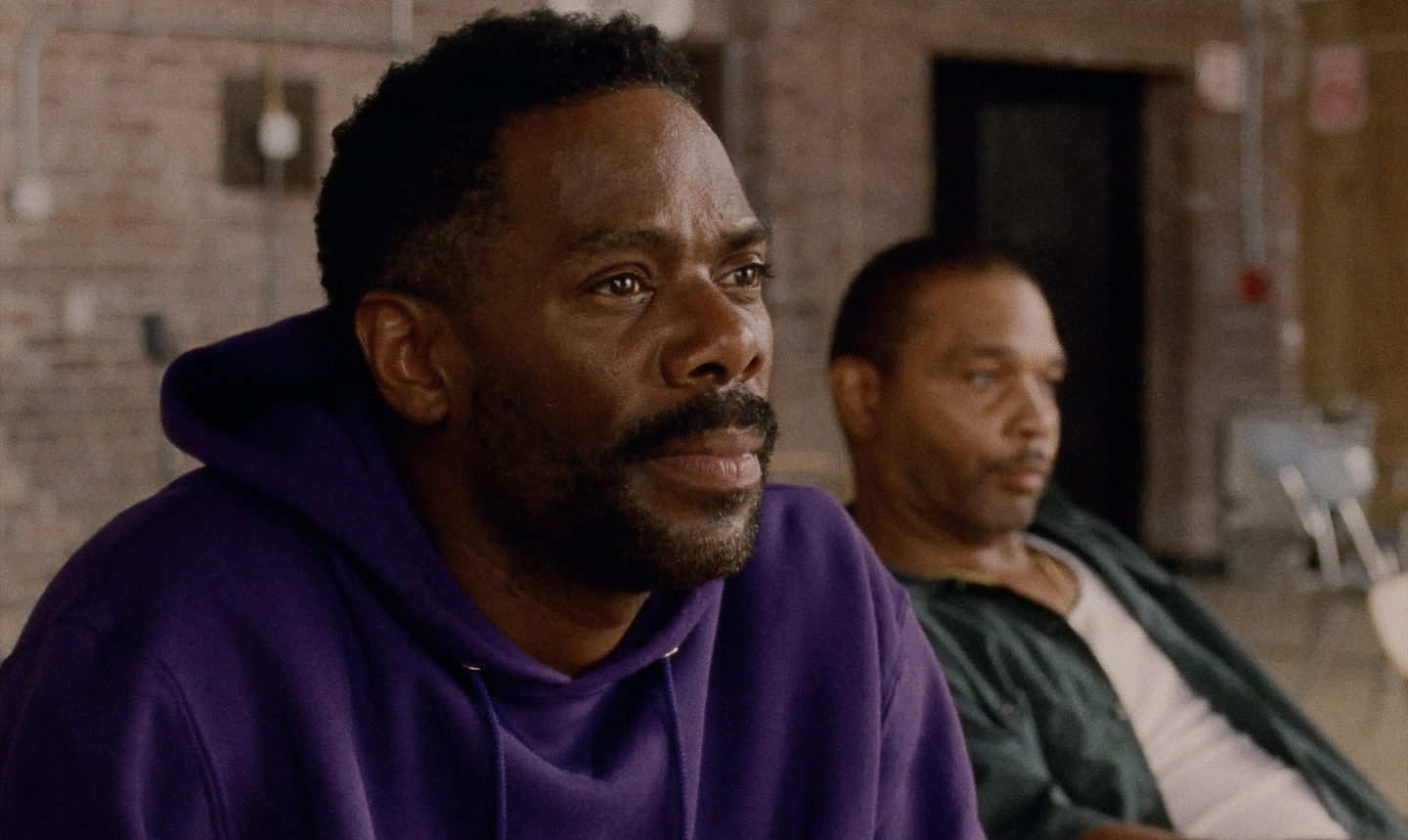
Sing Sing
Starring Colman Domingo and Paul Raci
Directed by Greg Kwedar
Rated R
In theaters Friday, Aug. 9
Prison inmates find an emotional outlet on stage in this moving drama based on a real incarceration program, Rehabilitation Through the Arts, that began at New York’s Sing Sing Correctional Institute in the 1990s. Colman Domingo, nominated for an Oscar for Rustin and so damned good at playing bad in The Color Purple, stars as Divine G, one of the leaders of the troupe, spurring on his fellow inmates as they mount their latest production behind bars.
Domingo may indeed be looking at another Oscar nod for his galvanizing performance here as a wrongly imprisoned man hopeful about his upcoming parole hearing. A poignant image in the film is a dialogue-free shot of “G” putting his hand outside the bars of a window, gently turning his palm in the gentle breeze. You can feel his longing to be in that outside air—so close he can touch it, but still impossibly out of reach.

In a brilliant creative twist, the film uses actual former inmates involved in the RTA program for most of its supporting cast, grounding everything to an almost palatable sense of reality as we hear them express their hopes, regrets, and memories of sons and daughters and wives and lives before ending up in Sing Sing. It “humanizes” these incarcerated characters, while never excusing the misdeeds that may have put them behind bars. Sing Sing was filmed at a decommissioned (and un-airconditioned) penal facility in New York State, adding to the stifling, almost suffocating feel of being locked up.
It’s like Shawshank Redemption meets Shakespeare. But the inmates here are trying to escape not by tunneling into a sewage pipe, but by channeling the Bard. Theater is their release, their mechanism to cope with the harsh realities of incarceration, their flickering flame of pretending to be someone else, doing something else, somewhere else.
Paul Raci plays the “outside” director helping with the program, and Colman’s real-life long-time theatrical collaborator Sean San José plays Mike-Mike, G’s cellmate neighbor and close friend. The movie gets some extra dramatic traction when one of the prison’s tough yardbirds, Divine Eye, joins the group, with a toothy grin—and a shiv tucked into his waistband. He’s played by Clarence Maclin, making his movie debut and drawing on his own experience as a Sing Sing inmate.
The troupe’s production-in-progress is an anything-goes comedy built around Hamlet, reshaped into a time-traveling, to-be-or-not-to-be spoof incorporating Roman gladiators, Old West Cowboys and Freddie Krueger from Nightmare on Elm Street. The wide spectrum allows everyone to have an acting part, and a say in the story, as the film reinforces the idea that every man—every person—has worth, and feelings, and deserves a place in the world, even in prison.

The whole film is a big booster shot for the arts, in general, and how the RTA program—in the movie and the real world—provides inmates with life skills, emotional release and essential coping mechanisms. Research has shown that prisoners involved in the program have much higher chances of “getting straight” and being successful once back in the free world.
Another shot in the film shows a coil of razor wire at the prison perimeter, with a small bird perched temporarily inside. Unlike the prisoners, the bird can take wing away anytime. The inmates have given up the unrealistic hope of busting out or flying away. But their theater program lets them feel like they’re out, if only for a little while.
Sing Sing is an inspiring reminder of the rejuvenating powers of creativity and how a growing number of incarcerated men find balm for their troubled souls by pouring them out on the stage.
—Neil Pond
 The Media Tourist