Movie Review: “Art For Everybody,” about landscape artist Thomas Kinkade, shows the darker side of the so-called “Painter of Light”
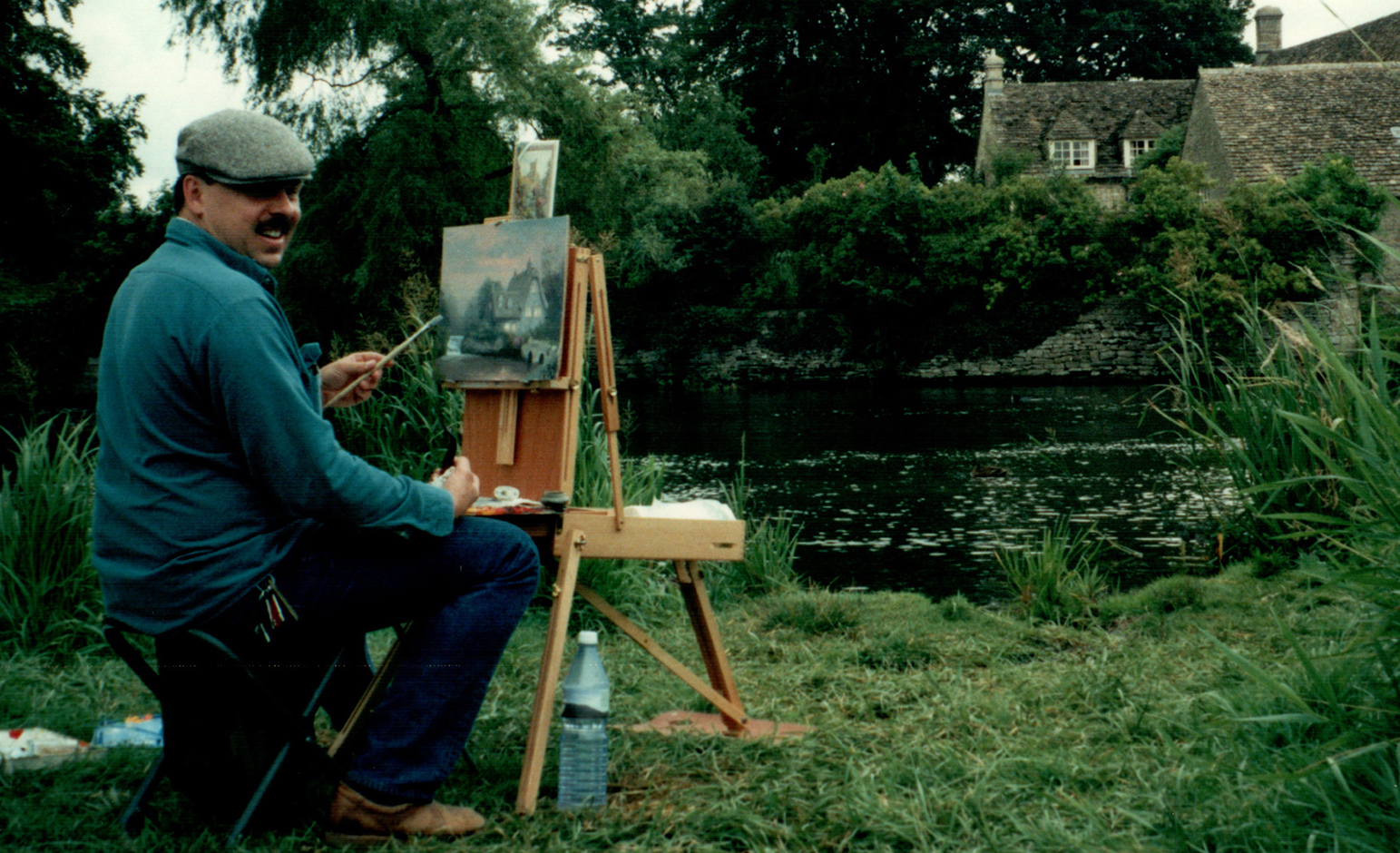
Art For Everybody
Directed by Miranda Yousef
Unrated
In theaters Friday, April 18
This superbly crafted, warts-and-all documentary about the one of the world’s most commercially successful artists of all time pulls back the curtain on Thomas Kinkade, the self-proclaimed “Painter of Light,” to show how he wasn’t always so bright and sun-shiny.
Kinkaid rose to fame in the early ‘90s for his artwork featuring unnaturally illuminated pastoral landscapes, often glowing intensely with illumination from the inside of bucolic cottages in lushly rendered fairy-tale settings. His work was hyper-stylized, surrealistically calm and blatantly nostalgic. “I don’t really paint the world the way it looks,” Kinkade notes in an early interview. “I paint the world we all kinda daydream it could be.” Fans lapped it up like syrup, and Kinkade became a multimillionaire through mass merchandised reproductions of his paintings and all kinds of spinoff lifestyle products, services and collectibles. He hawked his wares on TV’s home-shopping network QVC, and hundreds of Thomas Kinkade specialty stores sprang up in malls and retail centers across America.

But as the movie points out, critics were often dismissive of Kinkade, calling his work gaudy, garish and kitschy—or, as one says in the film, “really, really, really bad art.”
Kinkade offered populist, easily digestible, imaginatively wholesome alternatives to the edgier, often controversial and more “challenging” offerings of the modern-art world. In other words, he did paintings for the masses, art for everybody—or everybody else. Many fervent fans were drawn to his frequent professions of faith, seeing his paintings as calming, welcoming extensions of the Christianity he seemed to ardently embrace. Many of his pictures depicted religious stories or passages from the Bible.
But was all of it fakery, performance art or even fraud? Was Kinkade living a double—or triple, or quadruple—life, a man with multiple personas and personalities? The Painter of Light, as one of his daughters says, “was a side of him. But he had all these other sides.”
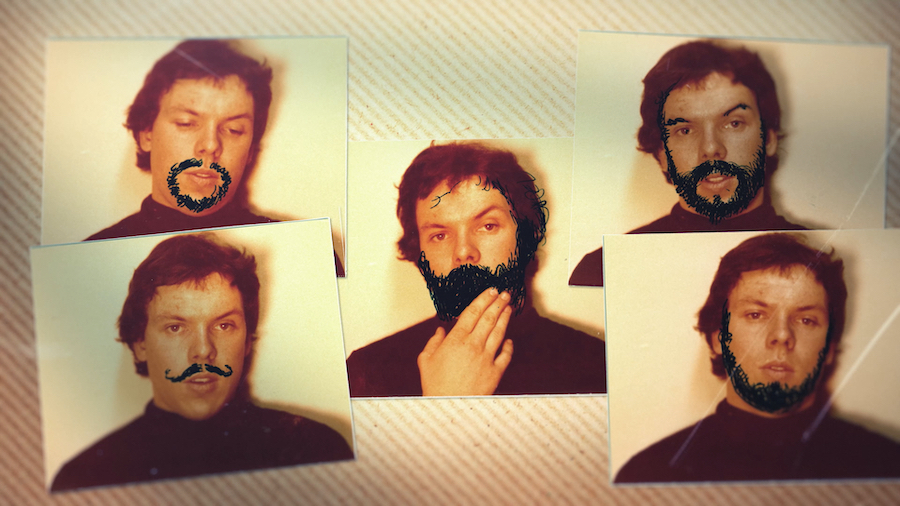
Told through archival film clips and narration by Kinkade’s family members, business associates, supporters, other painters and art experts, it’s a fascinating portrait of an artist who ultimately became “suffocated” by the commercial juggernaut he’d created. His empire eventually collapsed in lawsuits, financial ruin, allegations of fraud, a swirl of sexual indiscretions, and reports of aberrant, drunken behavior (urinating on a Winnie the Pooh character in a Disneyland hotel, fondling a woman’s breasts). He was accused of using evangelical Christianity as a cloak, a disguise to deceive—and sucker—an impressionable audience. Kinkade died, at age 54 in 2012, overdosing on booze and Valium.
“He had it all,” says his former wife. “And he threw it away.”
The most fascinating part of the film shows Kinkade’s now-adult daughters digging deep into his vault, a locked-away room where their father kept everything he’d ever drawn, showing us his early works and sketches—sometimes grotesque, turbulent and even violent depictions that suggest a much more tortured and troubled soul floundering in darkness rather than basking in the light he’d later make his brand. Maybe, suggests Kinkade’s sister, it had something to do with their abusive father, their parents’ divorce and growing up in a California “shack” often without heat or electricity.
In revealing the deeper demons that haunted—and possibly consumed—Kinkade, Art for Everybody shows how even the Painter of Light had a dark side. And how, as one critic notes, a cottage with such an unnatural glow just might be, in his oil-on-canvas fairy-tale world, an ideal deception for a wicked witch inside, waiting to gobble you up.
—Neil Pond
 The Media Tourist