Joaquin Phoenix steps into history as France’s most famous despot
Napoleon Starring Joaquin Phoenix & Vanessa Kirby Directed by Ridley Scott Rated R
In theaters Wednesday, Nov. 22
One of history’s most famous love stories was written in blood. In this expansively, elaborately expensive epic historical biopic, Joaquin Phoenix stars as the French emperor whose military conquests were a brutal backdrop for the domestic battles he waged with his wife, Josephine (Vanessa Kirby).
Director Ridley Scott creates a sumptuous, spectacular saga about Napoleon Bonaparte, the Corsican soldier in the French army who rose quickly within its ranks in the late 1700s to become one of the most wide-ranging military commanders in all of Europe. History remains somewhat divided on Napoleon, with assessments falling along a spectrum of opinion ranging from despotic megalomaniacal dwarf to brilliant military strategist. But this movie mostly splits the difference in favor of a sprawling period-piece portrait of a complicated, obsessive leader and his muddy, bloody times.
The movie establishes its battleground bona fides in the opening 15 minutes, during the close of the tumultuous French Revolution. Marie Antoinette meets her end at the guillotine, a horse gets its head blown off by a cannonball, and Bonaparte reaches into the hole to pull out the steed’s heart—as a souvenir for his mother. War is hell, and Napoleon, his face spattered with fresh blood, develops an early taste for it.
The battle scenes are dynamic, visceral, impressively boom-boomy and gruesomely gorgeous; in one, Napoleon’s army corners retreating Russians on a frozen lake, then fires cannonballs into the ice from a wooded hillside. Bloodied bodies flail helplessly as they sink slowly into the freezing, deathly depths in a winter ballet of red-smeared carnage.
But for Napoleon, all’s fair in love and war. When he isn’t opening his bag of tactical dirty tricks to fight the Austrians, the Russians or the British, he comes home to spar with Josephine. He throws food at her at the dinner table, bonks her in the bedroom like a rabid bunny, scolds her for her infidelity while he’s away doing war stuff (conquering Egypt), and ultimately leaves her for another woman when she’s unable to bear him an heir. But she, somehow, loves him after all that, remaining a central part of the story, an essential part of his story. And he remains obsessed with her. Napoleon is crushed to find out that all the gushy letters he’s been dutifully writing to Josephine have been stolen and sold. And this was centuries before Ebay!
Vanessa Kirby stars as Empress Josephine.
Phoenix, who also appeared in director Scott’s Gladiator, is center stage here as one of history’s most consequential and controversial characters, bratty, petulant, temperamental and dictatorial, maybe even batshit crazy; he’s The Joker in a pointy, bicorne hat. “You think you’re so great because you have boats!” he fumes at a British ambassador about England’s naval superiority. Kirby, a distinguished British actress, is elegantly stoic as Josephine, who sticks by her man even when his outbursts reduce her to tears.
The movie notes that Napoleon staged some 60 battles, only losing seven of them—one of which was at Waterloo, a defeat so infamously disastrous it became shorthand for almost any decisive, game-over setback. The historical Napoleon himself became a sort of pop-cultural, comical shorthand—an avatar for domineering behavior, overcompensation for a less-than-imposing stature. (Even though we don’t know how tall Napoleon actually was in real life, the movie suggests he could use a few inches, notably when he requires a boost to peer into an Egyptian sarcophagus and view a mummy’s ancient face.) He’s been the subject of countless movies, including one as early as 1913, and widely parodied, in Bugs Bunny cartoons and Bill and Ted’s Excellent Adventure, Minions and Night at the Museum.
But this Napoleon is no cartoon, no joke and certainly no dry, dull history lesson. It brings to the big screen a bold new take on the enduring tale one of history’s most endlessly fascinating figures, the forever controversial Frenchman who dominated so much of the known world—and the woman who conquered his heart back home.
Annette Bening’s in deep, Rock & Roll Hall of Fame ushers in new members, saddle up with an historic Black lawman & Tim Allen ho-ho-ho-ho’s once more!
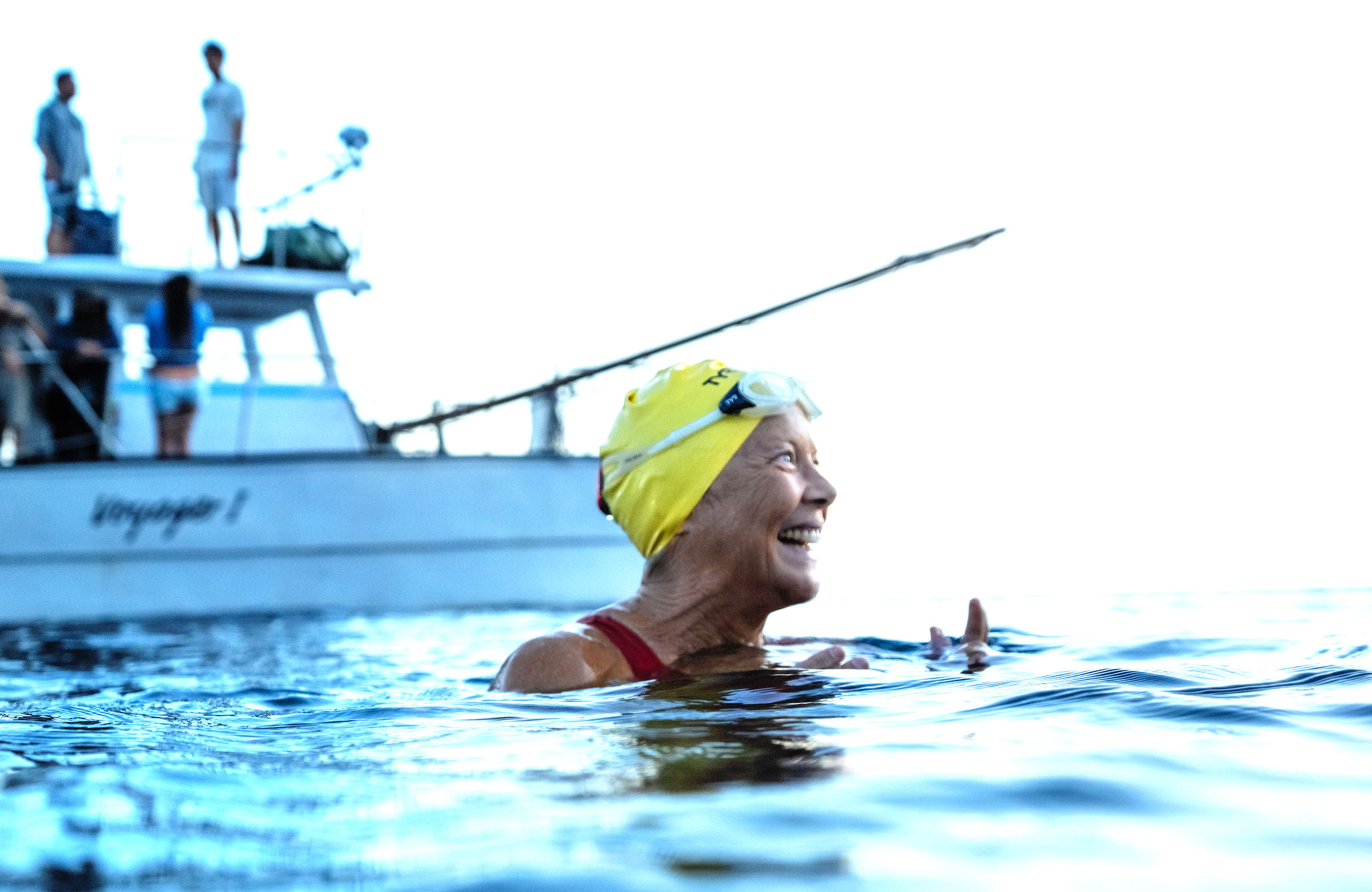
FRIDAY, Nov. 3 NYAD Annette Bening (above) stars in the real-life story of athlete Diana Nyad, a world-class swimmer who gave up the water in exchange for a career as a sportscaster—but, at the age of 60, decides to compete again in a 110-mile swim from Cuba to Florida. Spurring her on: her coach, played played by two-time Oscar winner Jodie Foster. It’s a tale of tenacity, friendship and the triumph of the human spirit (Netflix).
Rock & Roll Hall of Fame Induction 2023 Sheryl Crowe, Willie Nelson, Bernie Taupin, Link Wray and The Spinners are among the musical elite coming into rock music’s hallowed space, tonight, ushed in with tribute performances by Brandi Carlile, Elton John, Dave Matthews, H.E.R. and others (Disney+).
SATURDAY, Nov. 4 Mulan Watch the 2020 live-action remake (below) of the 1998 animated Disney tale of an adventurous Chinese girl (Yifei Liu) who grows up to become a champion warrior in the Imperial Army. It was nominated for two Oscars (8:05 p.m., Freeform).
You’re Not Supposed to Be Here New thriller drama flick stars Chrishell Stause and Diora Baird as a same-sex couple who don’t exactly feel welcome when they arrive at their getaway cabin in a remote mountain town (8 p.m., Lifetime).
SUNDAY, Nov. 5 JFK: One Day in America Three-part documentary takes viewers through every moment of the assassination of John F. Kennedy, 60 years ago, with first-person accounts from those who were there (8 p.m., Nat Geo).
Lawmen: Bass Reeves David Oyelowo (above) stars in this new streaming series about one of the most legendary lawmen of the Old West, who rose from enslavement to become the first Black U.S. Marshal west of the Mississippi, arresting more than 3,000 outlaws. With Barry Pepper, Donald Sutherland and Dennis Quaid (Paramount+).
First Lady of BMF: Tonesa Welch Story Michelle Mitchenor stars in this new series about a middle-class Detroit woman in the 1980s who launched a notorious drug empire (BET+).
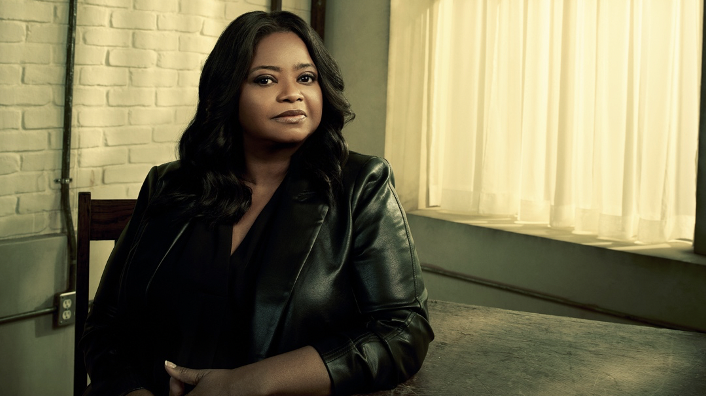
Lost Women of Highway 20 Producer Octavia Spencer (above) explores the trail of missing and murdered women along a ghostly stretch of Oregon roadway in this true-crime docuseries (9 p.m., ID).
MONDAY, Nov. 6 3-Day Weekend Take virtual tour—or learn what to see in person—in one the Southeast’s most lovely college towns, Chapel Hill, N.C. (9:30 p.m., ACC).
Three Chaplains Documentary about Muslim chaplains in the U.S. military, fighting to maintain a balanced devotion to Islam, the Constitution and the American military (10 p.m., PBS).
TUESDAY, Nov. 7 The Curse of Oak Island The buried treasure hunt deepens in season 11, as the team of excavators continues to dig on the Nova Scotia island for clues to a 200-year-old mystery, encountering some surprising new evidence that confirms earlier rumors about its source (9 p.m., History).
WEDNESDAY, Nov. 8 The Buccaneers Set in 1870s London, this new series follows a group of American girls who burst onto the tightly corseted scene, kicking off an Anglo-American culture clash and rattling stiff upper lips. Starring Kristine Frøseth, Alisha Boe and Josie Totah (Apple TV+).
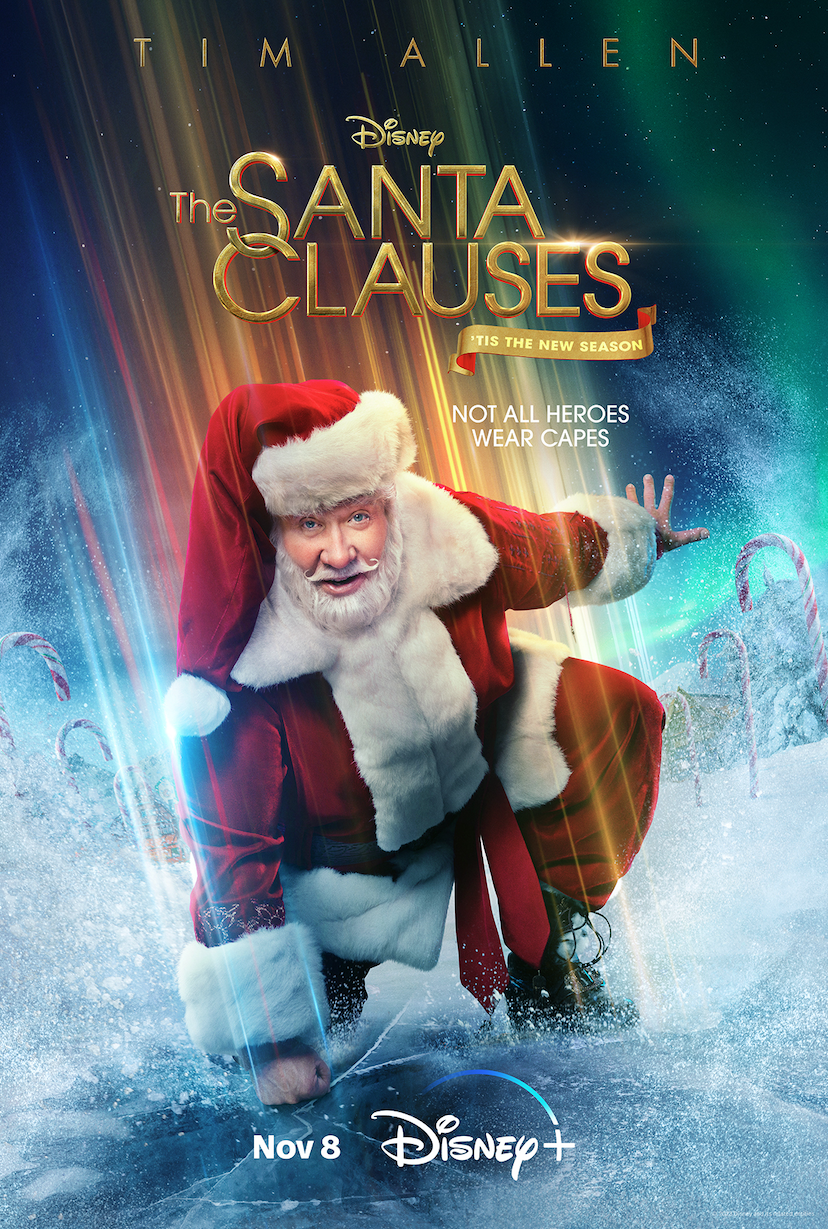
The Santa Clauses Tim Allen continues (above) in the role he launched back in 1994 with season two of this TV-series spinoff, in which his character’s plans to “retire” from saving Christmas are complicated when he can’t find a suitable successor for the job (Disney+).
THURSDAY, Nov. 9 Colin From Accounts Hit Aussie comedy series starts streaming in the U.S., with stars Harriet Dyer and Patrick Brammall as two people brought together by a nipple flash, a car accident and an injured dog (Paramount+)
READ ALL ABOUT IT
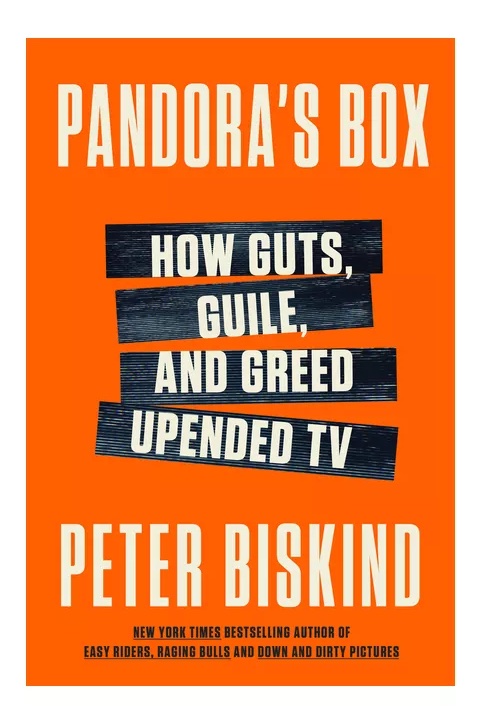
How did streaming services gobble up eyeballs from “traditional” TV? Find out in Pandora’s Box (William Morrow), author Peter Biskind’s thoroughly engaging breakdown of the “revolution” by which TV supplanted movies as the leading format of entertainment, beginning with HBO’s The Sopranos.
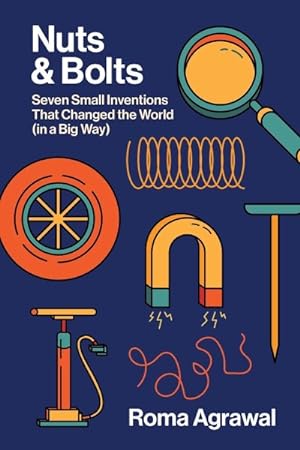
What do “ancient” doodads have to do with the modern world’s colossal engineering feats? A lot! That’s what you’ll learn in Nuts and Bolts: Seven Small Inventions That Changed the World (WW Norton), by Roma Agrawal, an award-winning structural engineer notes how seven teeny-tiny things have been instrumental in the way we now work and live.
Long live the Queen! The royal legacy certainly lives on in Cecil Beaton: The Royal Portraits (Thames & Hudson), an illustrated examination of how the British photographer’s work with the royal family shaped the public face of the House of Windsor across five decades.
NOW HEAR THIS
It’s not even Thanksgiving yet, but you can get in the mood for the holiday season with Chicago Christmas Complete (Rhino), which pulls from all three of the iconic rock band’s Yuletime albums of yore for this 3-CD collection of classics, including “My Favorite Things,” “O Christmas Tree,” “Here Comes Santa Claus” and “Wonderful Christmas Time,” which features Dolly Parton.
Have a very Cher Christmas (Warner Records) with the iconic pop diva’s first-ever holiday album, featuring some all-star guests (Stevie Wonder, Darlene Love, Cyndi Lauper, Michael Bublè) on a super slate of seasonal songs, including “Run Run Rudloph,” “Please Come Home for Christmas,” “Santa Baby” and four new originals.
BRING IT HOME
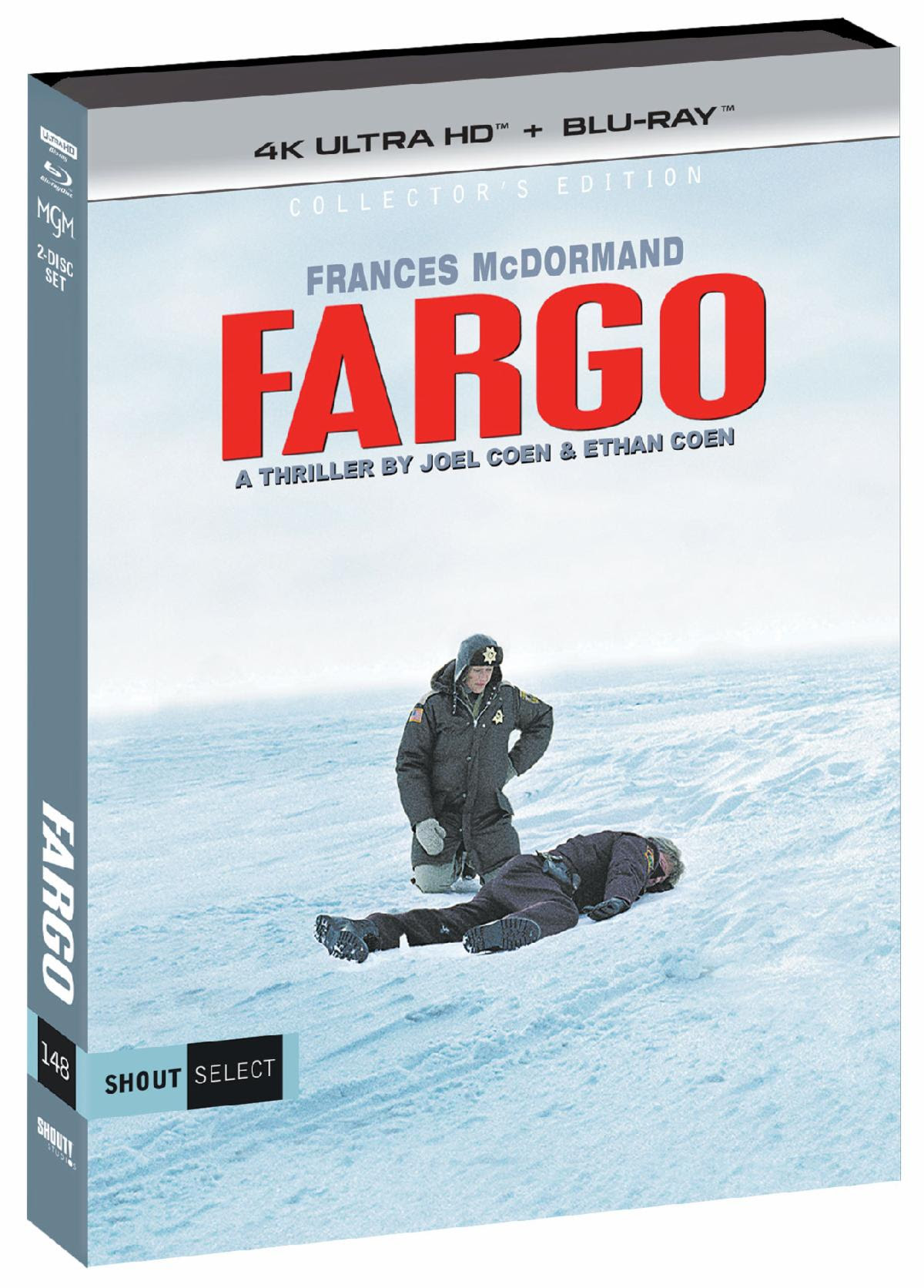
Now that the new season of Fargo is about to start (Nov. 11), you can revisit the movie that started it all. Fargo (Shout! Studios)—which was nominated for seven Oscars (and won two) after its release in 1996—is now available in a hi-def 4K edition, with loads of bonus features, including a rolled poster of original theatrical art, a limited edition glass snow globe, commentary by director of photography Roger Deakins, interviews with the Coen Brothers and their star, Frances McDormand, and more!
Get in the holiday mood with the Lifetime 12-Movie Collection, Vol. 5 (Lionsgate), a ho-ho-ho-romantic roundup of a dozen of the network’s Christmas-themed romances, featuring such all-stars as Jodie Sweetin, Maria Menouos and Patti Labelle.
Hop in the hot rod for the new American Graffiti 50th Anniversary edition (Universal Pictures Home Entertainment), which marks the cinematic milestone with its first release in 4K Ultra HD. The 1973 classic marked beginnings and breakthroughs of the movie careers of Ron Howard, Harrison Ford, Cindy Williams, Suzanne Somers and Richard Dreyfuss, plus director George Lucas, who would (of course!) go on to make Star Wars.
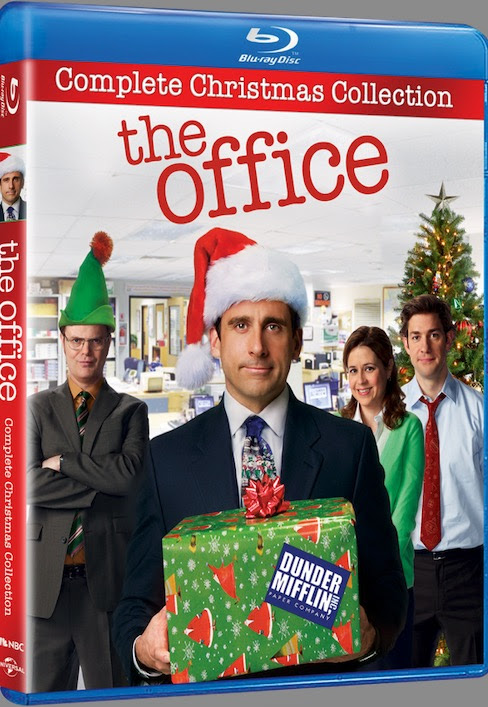
Break out the eggnog for The Office: Complete Christmas Collection (Universal Pictures Home Entertainment), and ho-ho-ho along with Michael Scott (Steve Carrell) and the other Dunder Mifflin gang in seven holiday classics, including “A Benihaha Christmas,” in which an off-site lunch turns into seasonal shenanigans.
And you better watch out! In Violent Night (Universal Pictures Home Entertainment), Santa Claus is coming to town, and he’s not taking any sh*t from anyone when he tumbles down the chimney and into a home that’s in the process of being invaded and robbed. David Harbour is terrific as a St. Nick with a few bones to pick—and break.
Bringing an anti-discrimination fighter on the sideline of history into the spotlight
Rustin Starring Colman Domingo Directed by George C. Wolfe PG-13
In theaters Nov. 3, available on Netflix Nov. 17
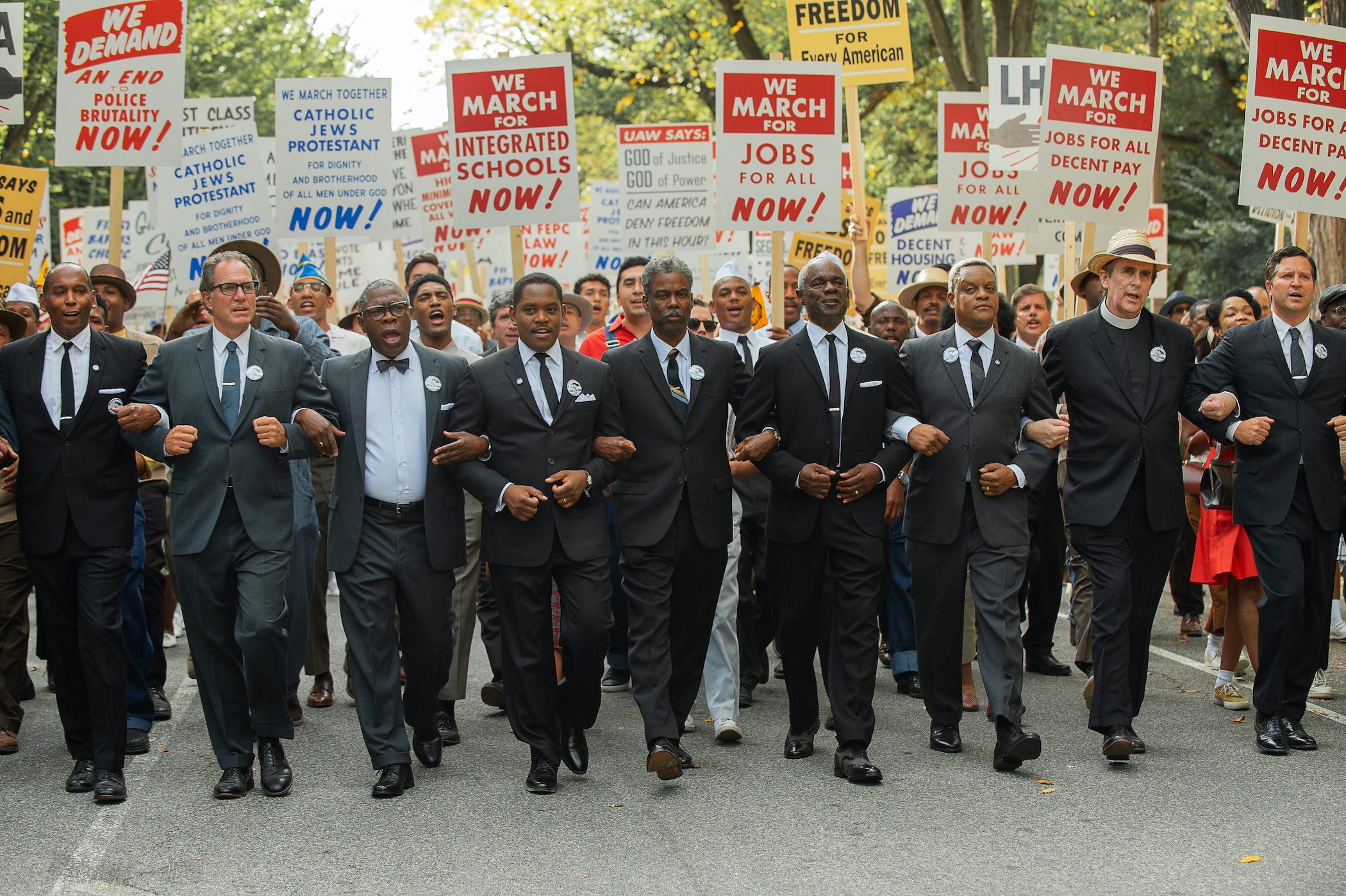
Half a century before he was awarded the Presidential Medal of Freedom by President Barack Obama in 2013, Bayard Rustin made his mark as a ferociously dedicated anti-discrimination crusader. Though he’s been marginalized by history and somewhat shuffled into the sidelines of the bigger Civil Rights story, Rustin organized one of the largest peaceful protests ever, which in 1963 drew a crowd of some 250,000 to a massive demonstration on the National Mall in Washington, D.C., and provided the stage for Dr. Martin Luther King’s monumental “I have a dream…” speech. And it led, nine months later, to the passing of the landmark legislation of the Civil Rights Act, officially prohibiting discrimination based on sex, race, color or national origin.
Rustin’s planning for that historic day in D.C. is the framework of this stirring biopic (produced by Barack and Michelle Obama) starring Colman Domingo. The versatile Tony-winning stage actor—who’s also appeared on TV’s Fear the Walking Dead and Euphoria—gives a dynamic, Oscar-baiting star turn as the pacifist leader whose behind-the-scenes activism was often hampered by his open homosexuality, his former ties to the Communist Party and his non-mainstream (Quaker) religious background. As if being Black in America in that tumultuous era wasn’t perilous enough by itself, Rustin was sometimes slurred as a “pervert and a traitor.”
A large ensemble cast rounds out the story as various politicians, union heads and Black movers and shakers swirl—often contentiously—around Rustin. There’s Jeffery Wright as combative Harlem Congressman Adam Clayton Powell; lauded stage and screen star Audra McDonald is NAACP leader Josephine Baker; British thespian Amil Ameen plays MLK, the young firebrand Baptist preacher who became a Civil Rights icon. But Chris Rock seems a bit misplaced; the well-known comedian never really feels comfortable (or believable) in the stern and serious groove as Black activist Roy Wilkins.
The movie itself is mostly standard fare as biopics go; it’s a bit wordy, dialogue-heavy and stagey, like a play that decided to become a movie instead. But it gives plenty of room for Domingo—in real life an openly gay actor—to shine as the Black idealist on the margins of the Civil Rights movement, who believed in freedom for all through Gandhi-esque nonviolence even in the face of violence. Rustin, who’s conspicuously missing a molar from a beating by a cop, later tells someone else to hit him on the other side of his mouth, for “symmetry.”
Rustin hails this little-known racism fighter who worked from the sidelines to harness the power of peace to make walls fall, move mountains and work toward a world-changing “symmetry” of equality for everyone.
The acclaimed director tackles a dark chapter of American history, and makes another movie masterpiece
Killers of the Flower Moon Starring Leonardo DiCaprio, Robert De Niro & Lily Gladstone Directed by Martin Scorsese Rated R
In theaters Friday, Oct. 20
“If you’re gonna make trouble, make it big.”
That’s what big-deal bigshot William Hale (Robert De Niro) tells his neophyte nephew (Leonardo DiCaprio) early in director Martin Scorsese’s sprawling, slow-burn neo-Western epic about a grim and horrific chapter of American history in the expanding frontier of the 1920s.
And indeed, there’s some very big trouble in this very big big-message movie, which clocks in at nearly three and a half hours.
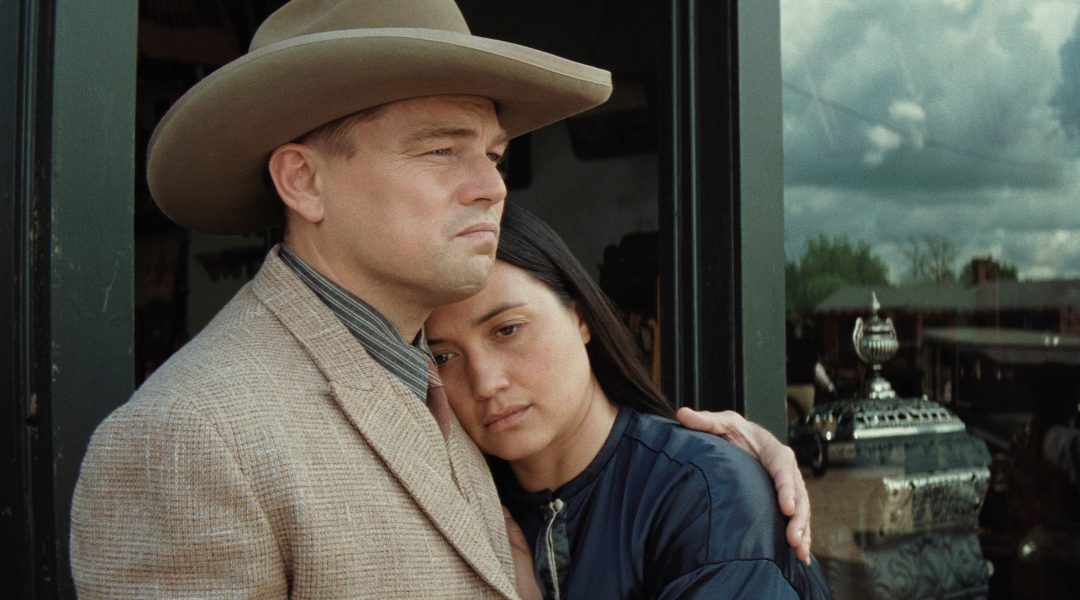
DiCaprio’s character, Ernest Burkhart, is a young WWI veteran who returns from the battlefield to stake out a new life “out West” on the Great Plains of Oklahoma, where oil has been discovered on land settled and owned by the Native Americans of the Osage Nation. Ernest freely admits—a couple of times—that he “loves money,” and there’s certainly plenty of it here, bubbling and spewing in geysers from the ground…and making the Osage some of the most fabulously wealthy people on the planet.
And it’s also made a boomtown for carpetbaggers, non-indigenous “white” opportunists like Ernest’s uncle, thirsty for some of that black gold—or all of it. So, what will money-loving Ernest do to get filthy rich, far beyond what he can rake in playing poker or even pulling highway-robbery holdups?
Scorsese is probably best known for his crime sagas—Goodfellas, Casino, Gangs of New York, The Irishman, The Departed. This isn’t a “gangster” movie, as such, but it certainly has the feel of the director’s familiar wheelhouse, with a core group (yes, a gang) of bad men doing bad things. In the Osage Nation, they’re robbing the natives of their wealth by almost every means possible, including murder.
Ernest falls in love and marries an Osage woman, Molly (Lily Gladstone), and then, one by one, all Molly’s sisters and other family members start dying. Who’ll be next? Maybe even Molly? Who blew up that house? Or left that dead body out in the woods? And what’s Ernest got to do with it? As the death toll rises into double digits, J. Edgar Hoover sends a federal agent (Jesse Plemons) from the Bureau of Investigation—which would later become the FBI—to nose around.
Based on the bestselling 2017 novel by David Grann, it’s a complex, complicated tale of systemic racism, white nationalism, greedy imperialism, income disparity, ethnic genocide and a conspiracy of silence and coverup, all folded into a love story that takes a wrenching wrong turn. DiCaprio has rarely been better, playing a scowling, morally compromised yahoo in an oversized Stetson, and Gladstone (who grew up in the Blackfeet Nation) has an almost Mona Lisa-like serenity, anchoring the story with a radiance and grace that will doubtlessly be recognized by the Oscars and other year-end awards. Their chemistry is lusty and palpable.
It’s all massive, majestically moving and monumental, but also intimate, richly detailed and finely tooled, full of authentic “period” touches—and enough violence, including an ad hoc autopsy with a handsaw, to meet minimum requirements for a Martin Scorsese movie.
DeNiro—who, like DiCaprio, is one of Scorsese’s favorite go-to actors—is great, as usual, craftily playing “King” Bill Hale, a dapper Osage benefactor and community builder whose smile masks a much more sinister side. There are dozens of other characters too, many played by authentically indigenous Osage actors, and small-part cameos by musicians Jack White, Sturgill Simpson, Pete Yorn and Jason Isbell, plus Brendon Frasier and John Lithgow.
But appropriately enough, it’s Scorsese, the virtuoso filmmaker who’s crafted yet another cinematic masterpiece of movie storytelling, who gets the last word, quite literally, in a final wrap-up epilogue that show how true crime became entertainment for the masses—like this all-star opus about “big trouble” that the modern-day Osage still refer to as their nation’s Reign of Terror.
Brie Larson cooks up science, a new ‘Goosebumps,,’ Disney turns 100, Frasier returns and ‘Barbie’ on DVD!
FRIDAY, Oct. 13 Lessons in Chemistry Brie Larson stars in this new series (above) as a young woman in the 1950s who becomes the host of a cooking show, where she puts her dream of becoming a scientist to work in the kitchen (Apple TV+).
Raid the Cage Damon Wayans Jr. hosts this new game show in which players compete to correctly answer questions and grab prizes from “the Cage” before time runs out and the doors close. (9 p.m., CBS)
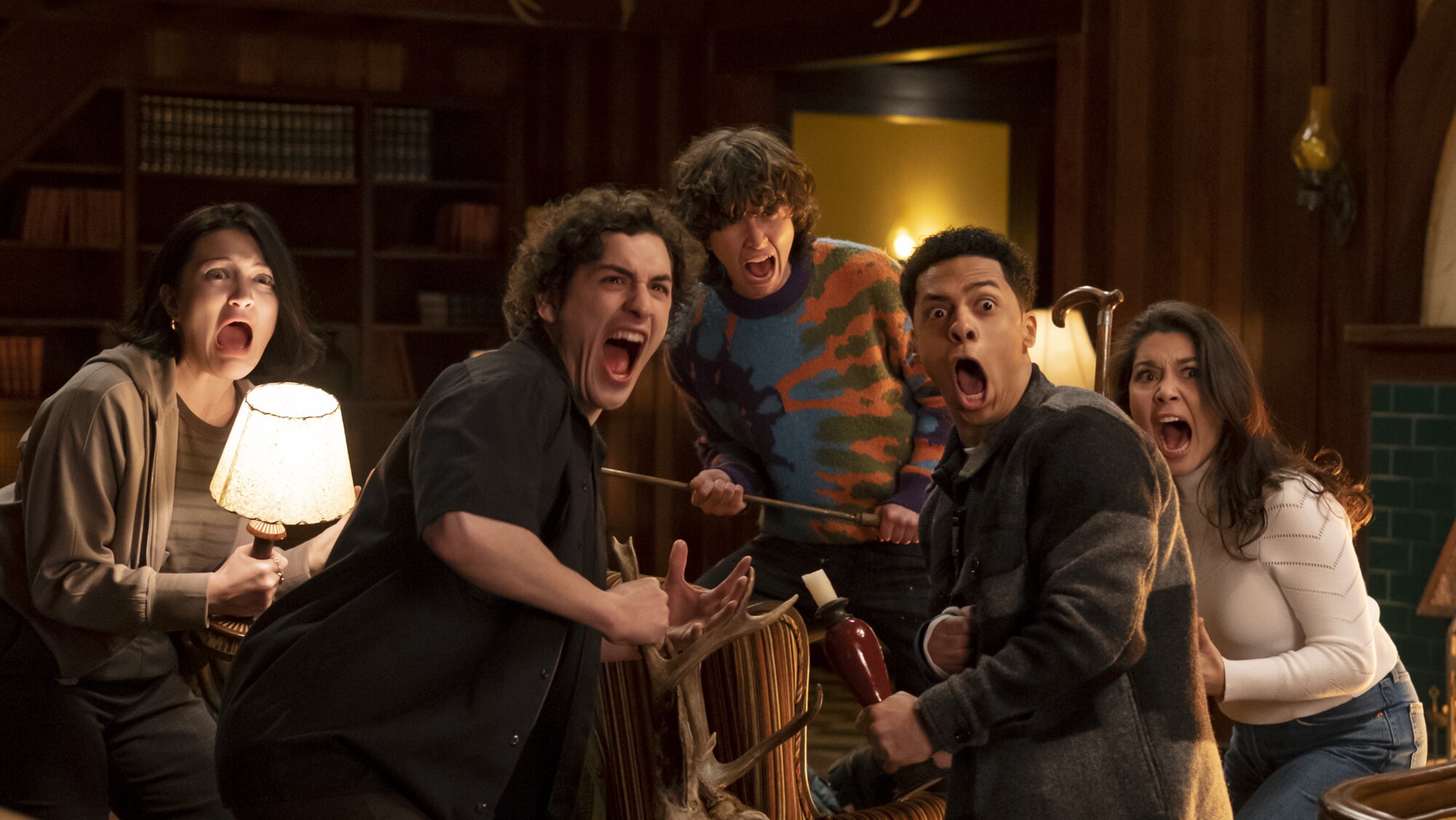
Goosebumps Inspired by R.L. Stein’s best-selling Scholastic books, this new series (above) follows a group of high schoolers investigating the death of a teenager and unearthing scary secrets along the way. With Justin Long, Zack Morris, Isa Briones and Will Price (Disney+).
SATURDAY, Oct. 14 The Murdaugh Murders Bill Pullman stars in this two-part network movie (below) based on the highly publicized real-life details of the prominent South Carolina family at the center of a sordid murder mystery (Netflix).
Pets & Pickers Catch up in season two with the workers at the Regional Animal Protection Society, motivated by their extraordinary compassion and their feeling that all animals deserve treatment (9 p.m., Animal Planet).
SUNDAY, Oct. 15 100 Years of Disney Kelly Ripa hosts this blowout two-and-a-half-hour event celebrating the House of Mouse milestone, with previews of upcoming projects, the world premiere of a new short film and a full screening of the award-winning animated feature film Encanto (8 p.m., ABC).
Hotel Portofino Season two of the glamorous period drama, about an English hotel in Italy in the 1920s—set against the rise of Benito Mussolini’s fascist regime—stars Natascha McElone, Oliver Dench and Louise Binder (8 p.m., PBS).
Billy the Kid Season two (above) continues the tale of America’s most infamous outlaw as William “Billy” Bounty (Tom Blyth) and his allies square off against the corrupt oil barons of the Sante Fe Ring, which erupts into the bloody Lincoln County War (MGM+).
READ ALL ABOUT IT
Go inside the glitzy world of Hollywood in Vanity Fair: Oscar Night Sessions (Abrams), with exquisite portraits over the years by photographer Mark Seliger at one of the most exclusive events following the star-studded Academy awards.
What’s goin’ on down there? Stephen Ellcock’s marvelous Underworlds (Thames & Hudson) digs deep into the fact, folklore, legends and other flights of fancy about the many things beneath our feet—from graves to caves, subterranean worlds, animal lairs, secret bunkers, fallout shelters, gemstones and sinkholes…and places of our deepest dreams and id wanderings, like hell itself! Packed with artwork and illustrations, it’s a glorious guided tour of the many things underground, real and imagined.
Architectural and industrial photographer Chris Payne’s Made in America (Abrams) is a vibrant journey into the heart of things created and manufactured in in the good ol’ USA, with techniques ranging from hi-tech to handmade.
MONDAY, Oct. 16 The Chase This new dramatic series centers on a British veterinary practice where dogs bark, sparks fly and dark secrets come to light (Acorn TV).
The American Buffalo Master filmmaker Ken Burns presents his latest project, a four-hour, two-part series, taking viewers on a 10,000-year trek across North America and tracing the history and heritage of the iconic Great Plains (8 p.m., PBS).
TUESDAY, Oct. 17 Frasier Yes, Frasier. Kelsey Grammer reprises his role as psychiatrist Frasier Crane in this new—yes, new—comedy series (below) that picks up where the old one left off, some two decades ago. Watch the first two episodes back to back tonight (9:15 p.m., CBS).
The Devil on Trial With firsthand accounts and a shocking crime, this new doc explores the first (and only) time a defense of “demonic possession” has be used in a U.S. murder trial (Netflix)
WEDNESDAY, Oct. 18 Living for the Dead New series from the producers of Queer Eye and narrated by Kristen Stewart follows five fab queer ghost hunters helping the living by calming the dead in places of paranormal activity (Hulu).
Nature The iconic everything-outdoors series opens its 42nd season opens with the true story of a Tasmanian man who makes friends with a platypus, tapping experts to learn all he can about the unusual egg-laying mammal’s secret world and protect it from urban encroachment (8 p.m., PBS).
BRING IT HOME
Maybe you heard about this little movie called Barbie, which became the world’s highest grossing film of the summer. Now you can own it on DVD, Blu-Ray and 4k (Warner Bros. Home Entertainment), starring Margo Robbie and Ryan Gosling as Barbie and her guy friend Ken as two of the most iconic toys ever, who leave Barbieland and find a life-changing existential crisis in the “real world.” Includes five bonus featurettes!
THURSDAY, Oct. 19 Wolf Like Me Season two kicks off tonight as Mary (Isla Fisher) and Gary (Josh Gadd) contemplate her pregnancy—will their offspring be a human, or a wolf? And will what happened in the outback come back to haunt them? (Peacock).
The return of ‘The Morning Show,’ the ugly history of busing & a triple slab of Adam Sandler yuks
FRIDAY, Sept. 8 Bella! This Woman’s Place is in the House Saluting the life and work of firebrand lawyer, social activist, politician and leader of the ‘60s women’s movement Bella Abzug (9 p.m., PBS).
The Changeling LaKeith Stanfield produces and stars in this new drama series, a grown-up fairytale with a horror-story twist, about a man searching for the love of his life, who has mysteriously vanished somewhere into a New York City he didn’t even know existed… (Apple TV+)
NOW HEAR THIS
What was it like to go to a Fleetwood Mac concert back in the band’s 1970s heyday? Well, you can find out with Rumours Live (Rhino), a time-capsule recording of the band performing all their hits (“Say You Love Me,” “Dreams,” “Rhiannon,” “Landslide,” “Over My Head” and many more) for a “hometown” crowd at the Forum in Los Angeles.
SATURDAY, Sept. 9
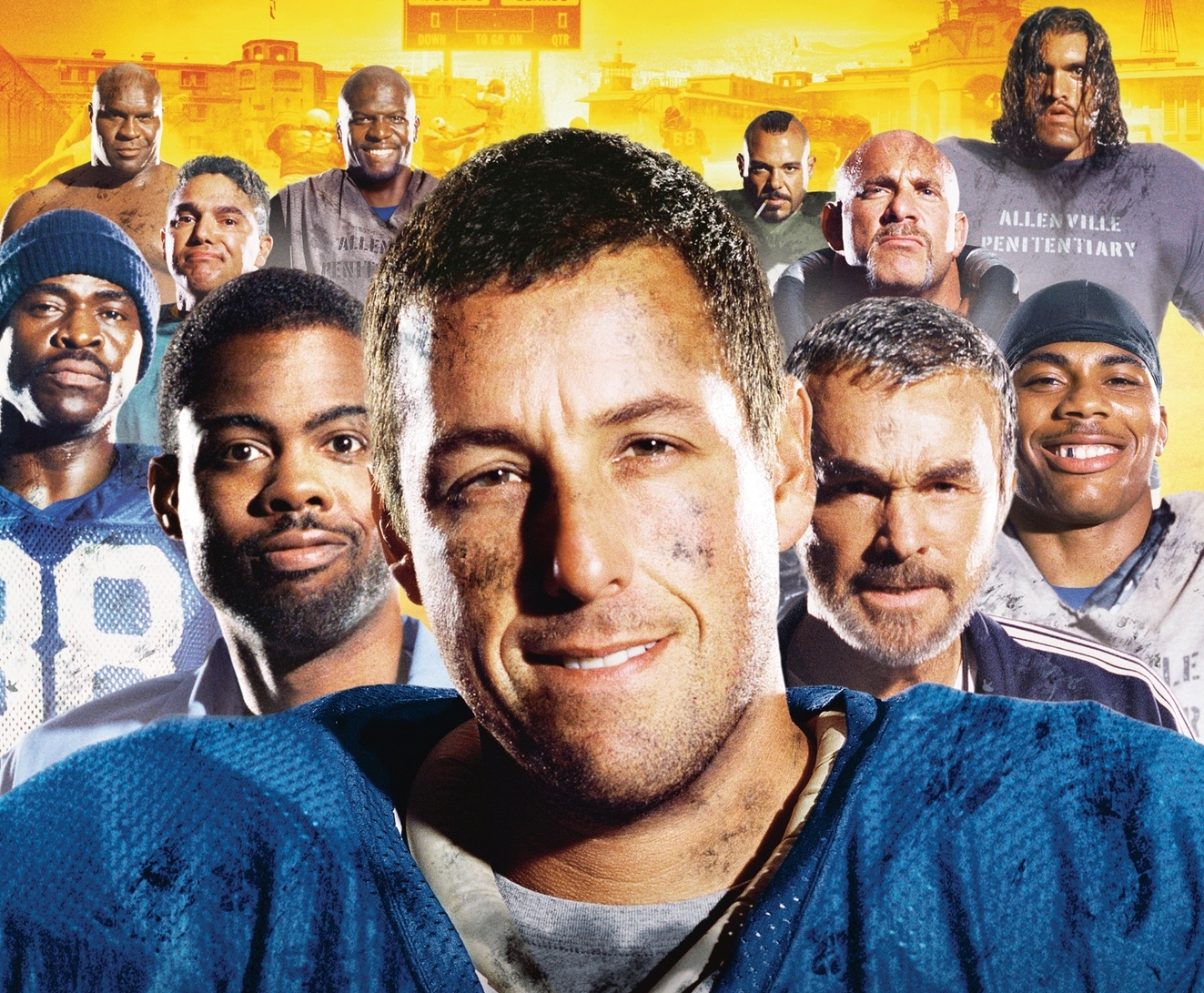
Adam Sandler Chill with some comedy gold from the movie funnyman with a triple-play slate of Little Nicky, Anger Management and The Longest Yard (below) (begins 8 p.m., Pluto).
Back to the Future Trilogy Hmmm….what to do on a Saturday? Well, how about time-traveling to your couch and watching all three BTTF films in a row? (12 p.m., TBS).
SUNDAY, Sept. 10 The Masked Singer The landmark 10th season of the popular “disguised vocalist” completion kicks off tonight with a bang, and “unmasked” performance pair-ups by Michelle Williams and Rumer Willis, Joey Fatone and Bow Wow, and Victor Oladipo and Barry Zito (8 p.m., Fox).
The Walking Dead: Daryl Dixon Latest spinoff of the fan-favorite franchise centers around the character of Reedus (Dixon) as he washes ashore in France and starts to find—and fight—his way back home (9 p.m., AMC).
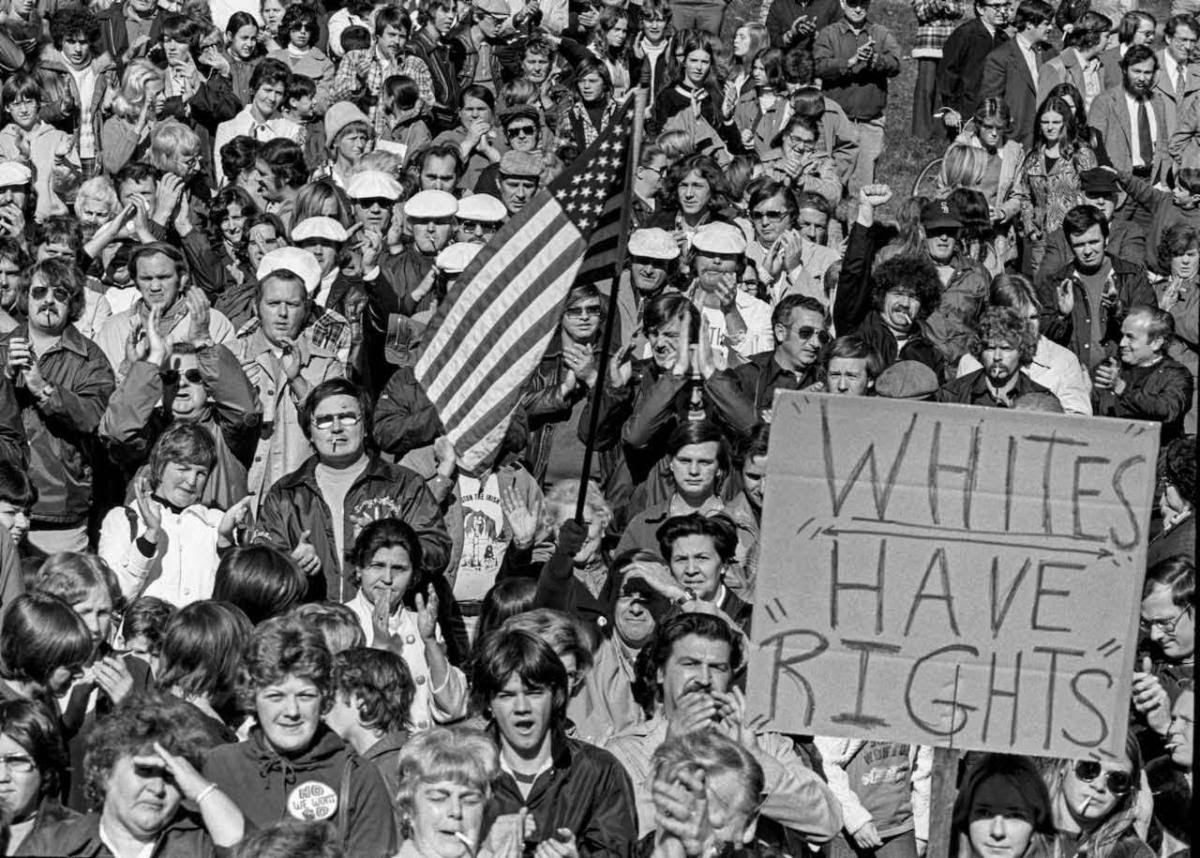
MONDAY, Sept. 11 The Busing Battleground Documentary (above) explores the turbulent legacy of efforts to integrate public schools—and the wave of “white flight” that followed—in the 1970s (9 p.m., PBS).
48 Hours The popular true-crime and justice series goes wide tonight in a new weekday best-of syndication on stations nationwide (CBS and other affiliate networks).
READ ALL ABOUT IT
Music lovers will love This is What It Sounds Like (RB Mecia), author Susan Rogers’ fascinating rundown of brain science, how our musical tastes and preferences are shaped, and the way music can set our mood, reawaken old memories and shape our social (tribal) identities.
TUESDAY, Sept. 12 The Swarm New dystopian drama series taking place several years of unrestrained pollution and relentless climate change, as a mysterious force of the deep starts using the creatures of the ocean as hostile hosts and declares war on humanity (9 p.m., The CW).
Welcome to Wrexham The reality series—about actors Ryan Gosling and Rob McElhenney’s soccer team in North Wales, the third oldest football team in the world—returns tonight (10 p.m, FX).
WEDNESDAY, Sept. 13 America Outdoors with Baratunde Thurston The best-selling author and avid outdoor enthusiast continues his trek across the country to further discover how nature shapes the way we work, play and interact with each other (10 p.m., PBS).
The Morning Show Time to wake up and tune in for the third season with more juicy drama about the New York City TV show still roiling in the aftermath of a sex scandal. With Jennifer Aniston, Reece Witherspoon, Billy Crudup, Juliana Marguiles and Jon Hamm (Apple TV+).
The Other Black Girl New original series about Nella (Sinclair Daniel), the only Black employee at a New York publishing firm, who comes to suspect that something sinister is going on—and it is! (Hulu)
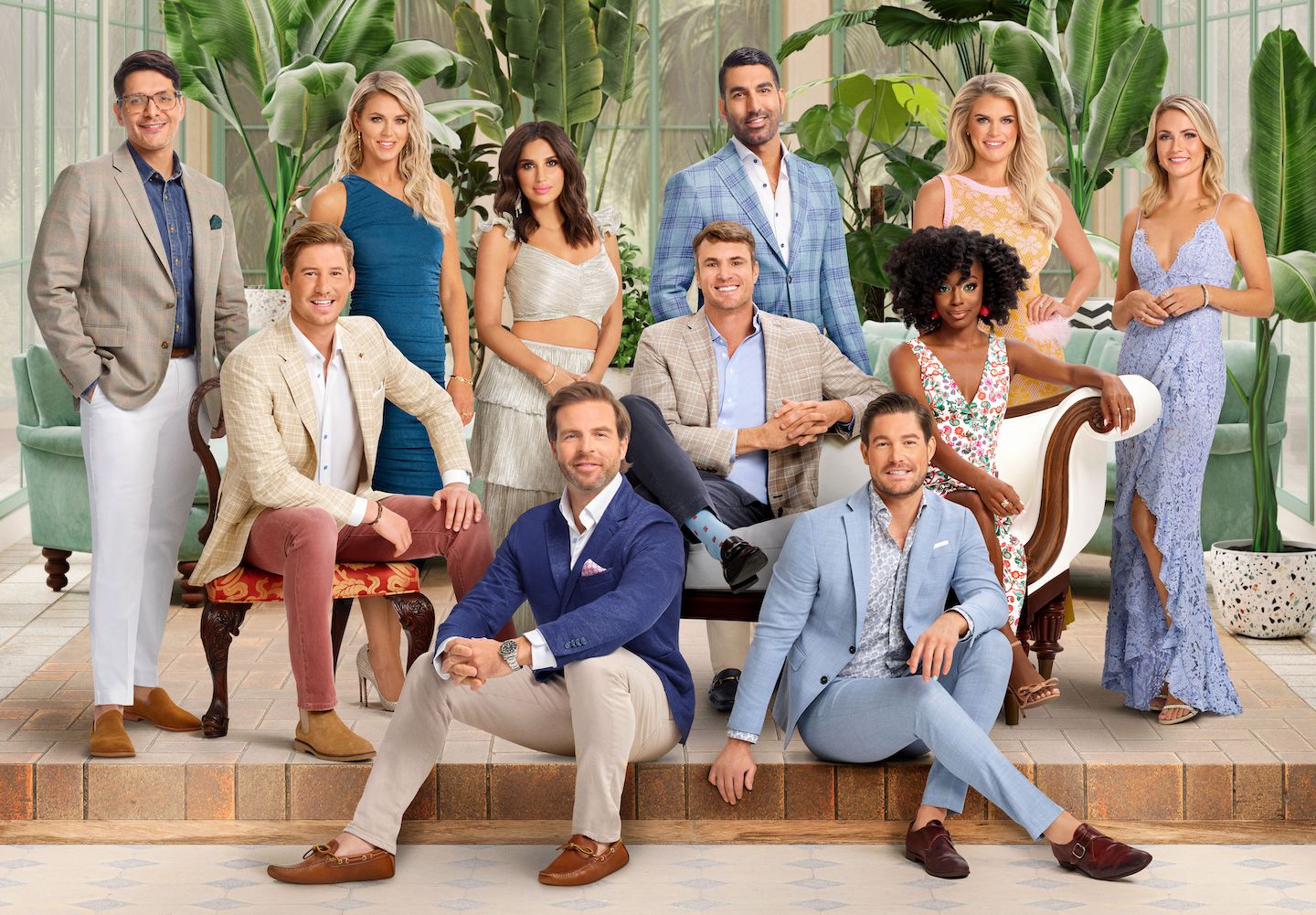
THURSDAY, Sept. 14 Southern Charm Pack up and get ready to go south with a new season of this reality series (below) about good-lookin’ young’uns down in Charlotte, S.C., pursuing romance, friendship and careers (9 p.m., Bravo).
Remembering William Friedkin The iconic director, who died last month, is celebrated with a section of his classic 1970s and ’80s films—The French Connection, To Live and Die in L.A. and The Boys in the Band (8 p.m., TCM).
Come for the mountains, stay for the munchies, the music…and the mermaids! (And respect the bears!)
Blake Shelton performs at Ole Red Gatlinburg.
Some 14 million visitors trek each year to the Great Smoky Mountains—and most of them funnel through Gatlinburg, the bustling tourism hamlet in Tennessee’s southeast corner that’s become the primary gateway to the most-visited national park in America.
And many of those visitors spend time or even drop anchor in Gatlinburg, surrounded on three sides by the natural wonders of the park and filled to the brim with things to see, hear, do…and eat.
Some people just enjoy the scenery—or the distilleries offering moonshine tastings. Others shop for souvenirs and memorabilia, play minigolf, hike, bike or camp, or drive into the Smokies. But everybody eats something, sometime—or a lot of times, which is most of the time in Gatlinburg. In a place with so much to do and see, wouldn’t it be perfect to do and see and eat all in one place? Here are the top “eat-ertainment” experiences you should have on your to-do menu if you’re headed to this unique resort town just under 10 miles away from where superstar Dolly Parton was born and raised.
Ole Red
As country fans know, this restaurant and live-music venue is themed around the song “Ol’ Red,” the 2001 hit for Blake Shelton. Owned and operated by Ryman Hospitality Properties, it’s part of a growing Ole Red venture branded with Shelton, with other locations in Nashville, Orlando and Tishomingo, Okla., near the entertainer’s home. Gatlinburg’s Ole Red, a double-tiered honky-tonk, offers a “taste” of its superstar namesake with nearly continuous live entertainment, signature drinks, and a full menu of hearty (though perhaps not quite heart-healthy!) appetizers and main courses for lunch or dinner.
There’s a gift shop with all sorts of Blake Shelton merch and other Gatlinburg swag.
And Ole Red is the only place in town with an upside-down tractor hanging from the ceiling. What color? Red, of course.
It’s the top choice in Gatlinburg for hearing live music day or night on a full-scale stage tricked out with a truckload of high-tech AV, while diving into barnyard-sized food and hydrating with Mason Jars full of creative beverages, and perhaps even doing a little boot scootin’ on the dance floor. Sometimes Shelton himself even drops by or calls in to Facetime on the giant screen above the stage, much to the delight everyone who just happen to be there.
On my most recent visit, I noshed on Redneck Nachos (tortilla chips, taco meat, red onions, jalapenos and avocado cream) and a massive platter of Junk Yard Fries (garnished with onion straws, fried jalapenos, pulled pork and garlic parmesan topping), and washed it all down with a Hillbilly Breeze (coconut rum, orange liqueur, tequila and orange juice). There was no room after that for any of the signature main course items, like the Hell Right Burger (with a beef patty, a hot dog and an egg), the Grilled Bacon Wrapped Meatloaf or the Kiss My Grilled Chicken Sammich (with peach jam and barbecue sauce on a potato bun).
I’m a sucker for fruity desserts, so I was sorely tempted by—but resisted—the Mountain Berry Crisp, which incorporates strawberries, blueberries and blackberries into a honey cornbread crumble, topped with ice cream. But that would have hit the bullseye in my sweet spot.
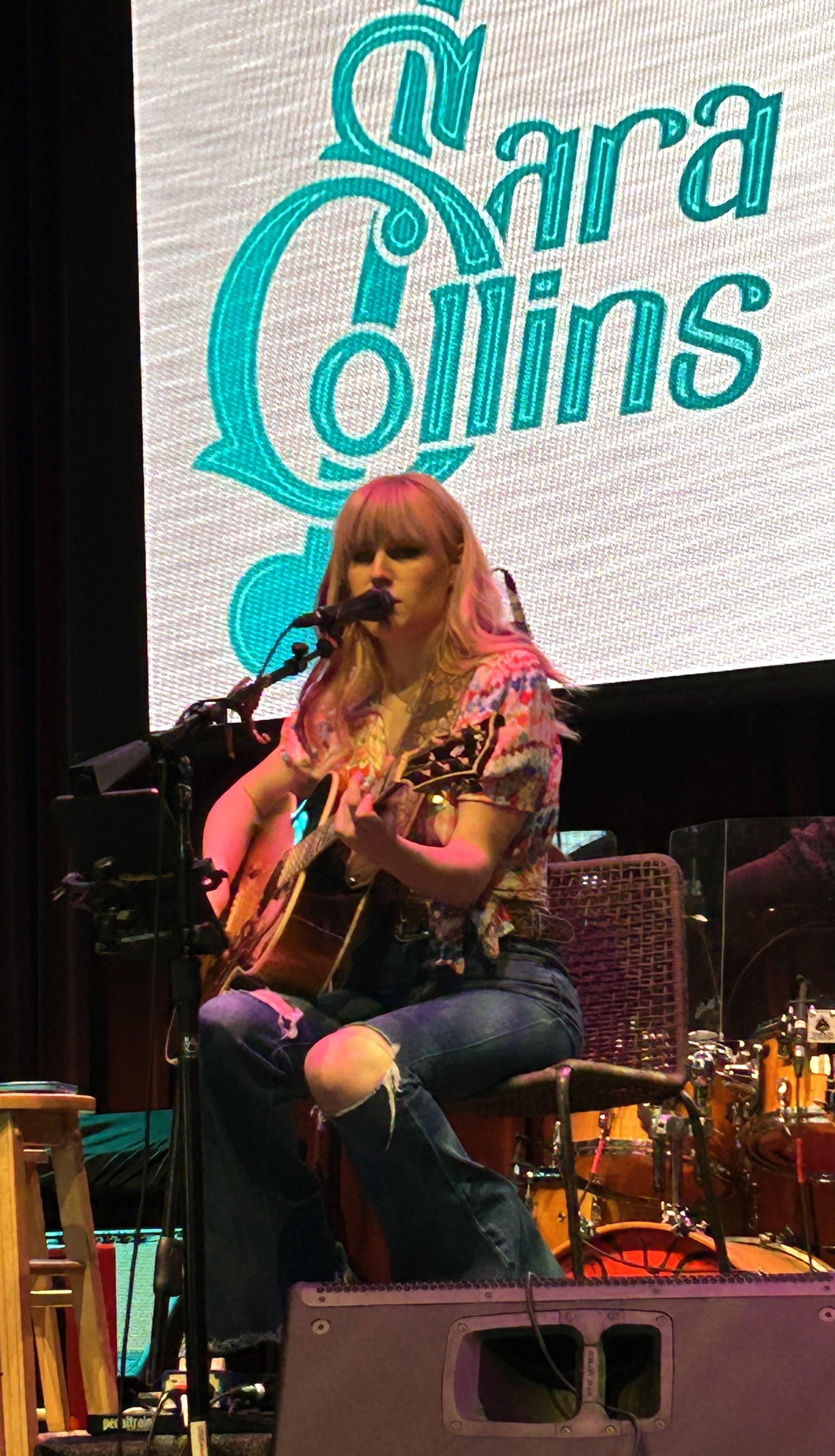
On stage, Louisiana-born singer-songwriter Sara Collins sat with her guitar and performed a sweet selection of ‘70s mellow rock and country-classic covers, interwoven with originals from her new album Roots (to be released June 30). A regular at Ole Red’s, she’s a former contestant on The Voice (season 18) who relocated with her family to the Gatlinburg area four years ago, when she was still in high school. After her midday set, she told me she loves playing Ole Red, but it takes a bit of stage-banter recalibration from all the local gigs at bars and festivals she played back home in Baton Rouge.
“You never know where people are from,” she says, referencing how Gatlinburg draws visitors from across America, and even internationally. “You can’t make jokes about the ‘local’ sports teams.” (Earlier in the day, I’d met a family from Israel, saw a group of women wearing burkas crossing a busy street and shared some morning doughnuts with a vlogger, Sean Hussey, who relocated to Gatlinburg from Rhode Island more than a decade ago and now makes videos as “The Gatlinburg Hussey.”) At Ole Red, Collins avoided sports chitchat but instead cautioned diners to keep their vehicles locked during their visit, because bears that wander into town—with some frequency—have learned how to open unlocked car doors in search of food.
When it launched its Gatlinburg location in 2019, Ole Red was in a league of its own as the only entertainment spot in town with a bona fide superstar connection; the hitmaking, 10-million-selling Shelton was a double-digit CMA Awards winner, and he’d been a coach on TV’s The Voice since the show launched in 2011. (He recently announced he’ll be leaving after 23 seasons to spend more time with Stefani, whom he married in 2021, and her three young sons.)
But now there’s another country-star venue on the Gatlinburg horizon. Jason Aldean—also a country hitmaker, and also Shelton’s good buddy—is readying a new venue that will bear his name just up the street. With six bars on two levels, it will be the second in his expanding entertainment franchise, after the original operation in downtown Nashville. But Ole Red’s Chrisy Lambert, the food and hospitality manager, isn’t fazed by the competition. “It’s going to be a totally different kind of place, with a rooftop bar,” instead of a single larger enclosed showroom like Ole Red, where the music and the munching can go on year-round, rain or shine.
With a red tractor overhead.
Ripley’s Aquarium
It’s already a world-class aqua experience, with sea critters of every shape and size, a glass-bottom boat ride and the world’s longest underwater viewing tunnel. And Ripley’s Aquarium of the Smokies is the only place in Gatlinburg where you can get something to eat…and then consume it just feet (or even inches!) away from creatures that would probably love to sink their teeth into whatever you’re chewing. You can watch sharks and stingrays swim overhead after you pick up your items from the Feeding Frenzy snack and concession area, with a refreshingly diverse menu that includes burgers (including a veggie option), hotdogs, grilled cheese, chicken fingers, a hummus snack cup, veggie sticks and salad, and more. And it’s the only place in Gatlinburg where—if you get there early enough in the day—you can have breakfast with a mermaid!
Anakeesta
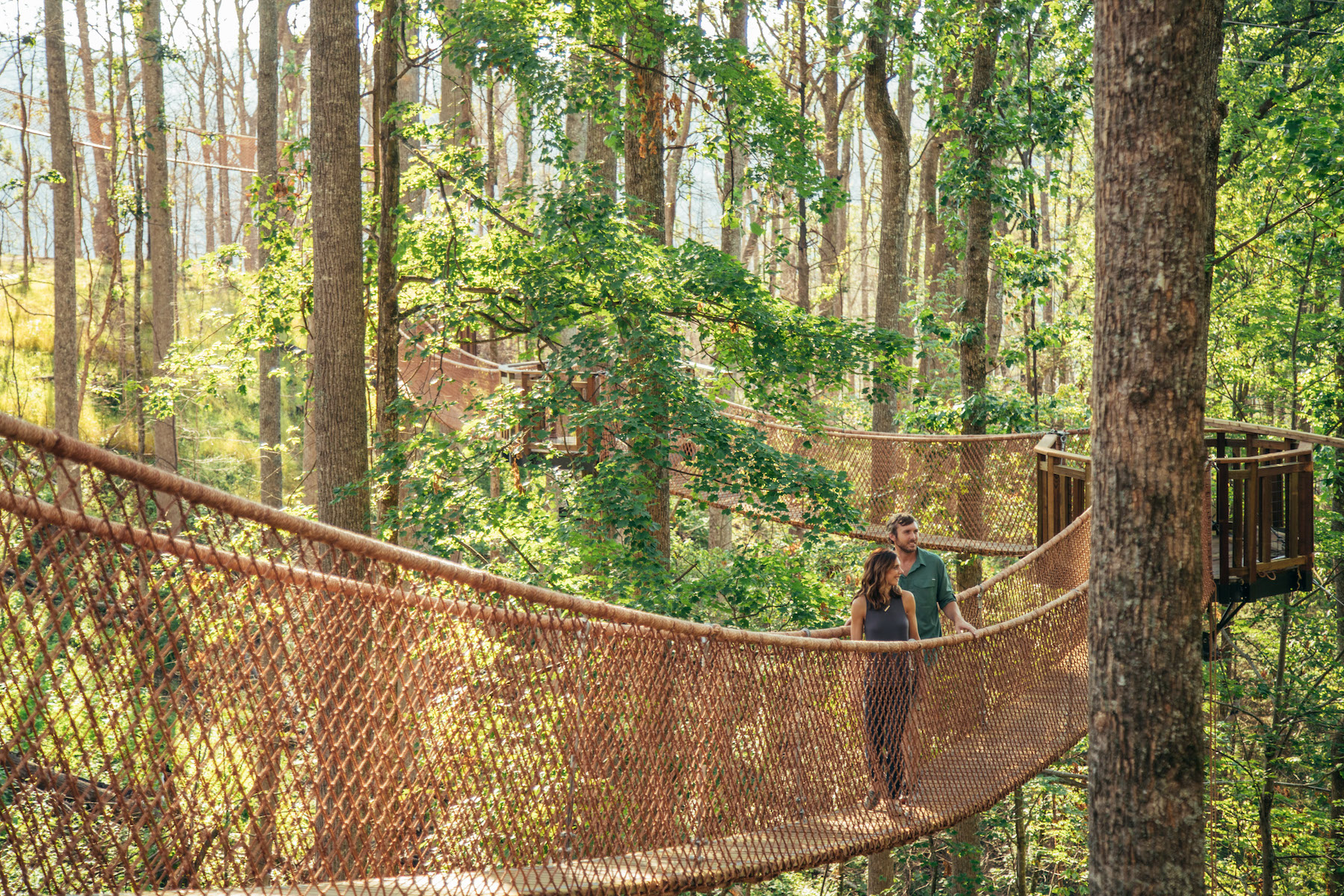
One of Gatlinburg’s newest attractions, this sprawling mountaintop theme park (which opened in 2017) takes its name from a Cherokee Indian word meaning “high ground,” which is also the term given to a geological layer of rock that permeates the Smoky Mountains. It offers activities for all ages, including a zipline, mountain coaster, a catwalk through the hillside canopy of trees, an elaborate play area for kids (or grownups), a 60-foot-tall viewing tower, and a dazzling nighttime display called Astra Lumina. While you’re gaping at the breathtaking eagle’s-eye views of the surrounding scenery, you can snack on ice cream, pies, brownies and other treats, shop for souvenirs or sit down at the Cliff Top restaurant for a full-course meal of barbecue, catfish or burgers. And watch out for bears—they like visiting Anakeesta, too, especially overnight when the area is otherwise closed. (It was, after all, built into what was formerly their exclusive habitat.) When I was there, the Astra Lumina experience was temporarily inoperable; a mama bear and her cubs were blocking one of the walking paths, and park workers were respectfully giving them the right of way. On another visit, the chairlift (which transports visitors up and down the mountain) and the mountain coaster were paused because a black bear was spotted foraging in the area. It’s no surprise one of the areas of Anakeesta is called Black Bear Village.
Fannie Farkle’s
One of Gatlinburg’s oldest attractions on its main-drag “parkway” has been around for more than 40 years. It’s a bustling little amusement center, with loads of arcade games and a small-town “carnival” theme. But its main event is always what’s cookin’ through the front windows as you stroll past. It’s the home of the famous Ogle Dog (named for one of Gatlinburg’s first settler families), foot-long cornmeal weenie feasts that are cooked up street-level, right in front of your eyes. And it’s not an official walk through Gatlinburg unless you’re in range to smell the storefront grill sizzling with onions and peppers, the aromatic garnish for the cheesesteaks and sausage subs. Named for its founder, a former burlesque dancer, Fannie Farkle’s even has small mini-tables lining its outside wall, for standing and snacking on some of the town’s most distinctive dishes.
Ober Mountain
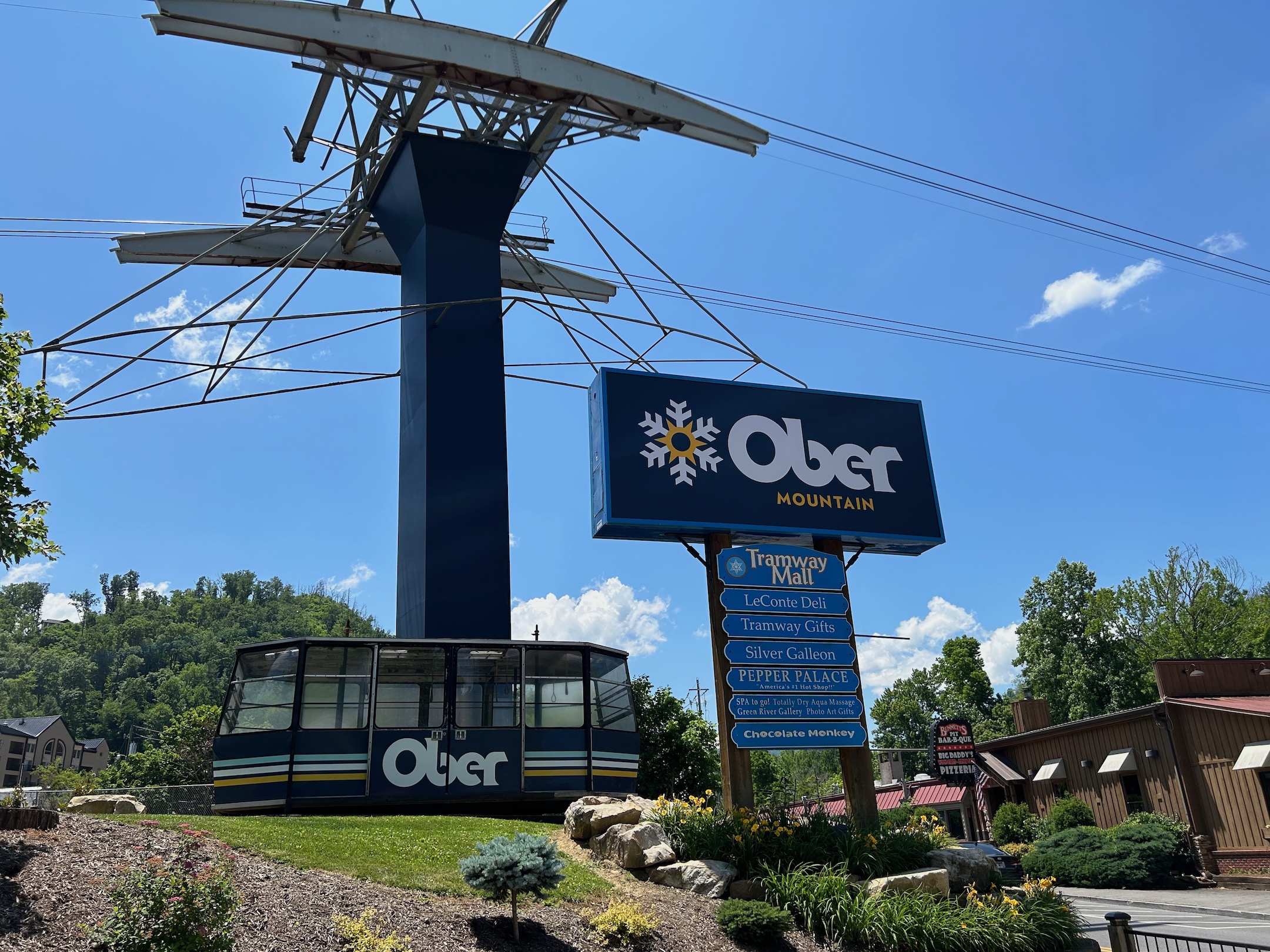
Until just recently, this longstanding alpine hub of activities (it opened in 1972, as transport up to winter skiing) was called Ober Gatlinburg. It’s been renamed in a wave of recent updates, but it’s still the only “tram ride” in town, lifting up to 120 passengers at a time high onto Mount Harrison, where there’s a mountain coaster, an alpine slide, downhill mountain biking, water tubing and snow tubing (in season), a year-round ice-skating rink, souvenir mall and a wildlife-habitat encounter offering up-close visits with bears, otters, foxes, falcons, wildcats and other rescued mountain critters. Then you can take a chairlift even further up the mountain, where the views are spectacular, the air is clean and crystal-clear, and the sounds of a live bluegrass band set the scene May through November. Ober’s restaurant and lounge were closed for renovation when I was there, but snacks elsewhere were plentiful—sandwiches from the Sidewalk Café (overlooking the ice-skating rink), sweets at the Fudge Shop and a selection of coffee and other beverages brewing at the Ski Mountain Grind House. And it’s the only place in town where you can eat, then watch North American river otters gulp down buckets of cut-up fish parts…otherwise unavailable at Ober, um, unless you’re an otter.
Nashville museum is a deep-dive time capsule of vintage country music
Nashvillians don’t have to go “On the Road Again” to visit a “Willie” terrific collection of memorabilia and artifacts from country music’s golden era.
The Willie Nelson & Friends Museum features exhibits on Nelson and more than 30 other country stars. It’s just off Briley Parkway, across McGavock Pike from the entrance to the Opryland Hotel and the Grand Ole Opry, in a strip mall book-ended by Cooter’s and the Nashville Palace.
“We’ve got a really small space for a whole lot of stuff,” says owner Mark Hughes, whose mother, Jeannie Oakley, and her husband, Frank—longtime friends of Nelson and other country stars—started their collection in their Madison, Tenn., picture-frame shop 1979. The museum grew and moved several times over the years (off Music Row, then to Branson, Mo.) before settling into its current Music Valley Drive location in 1992.
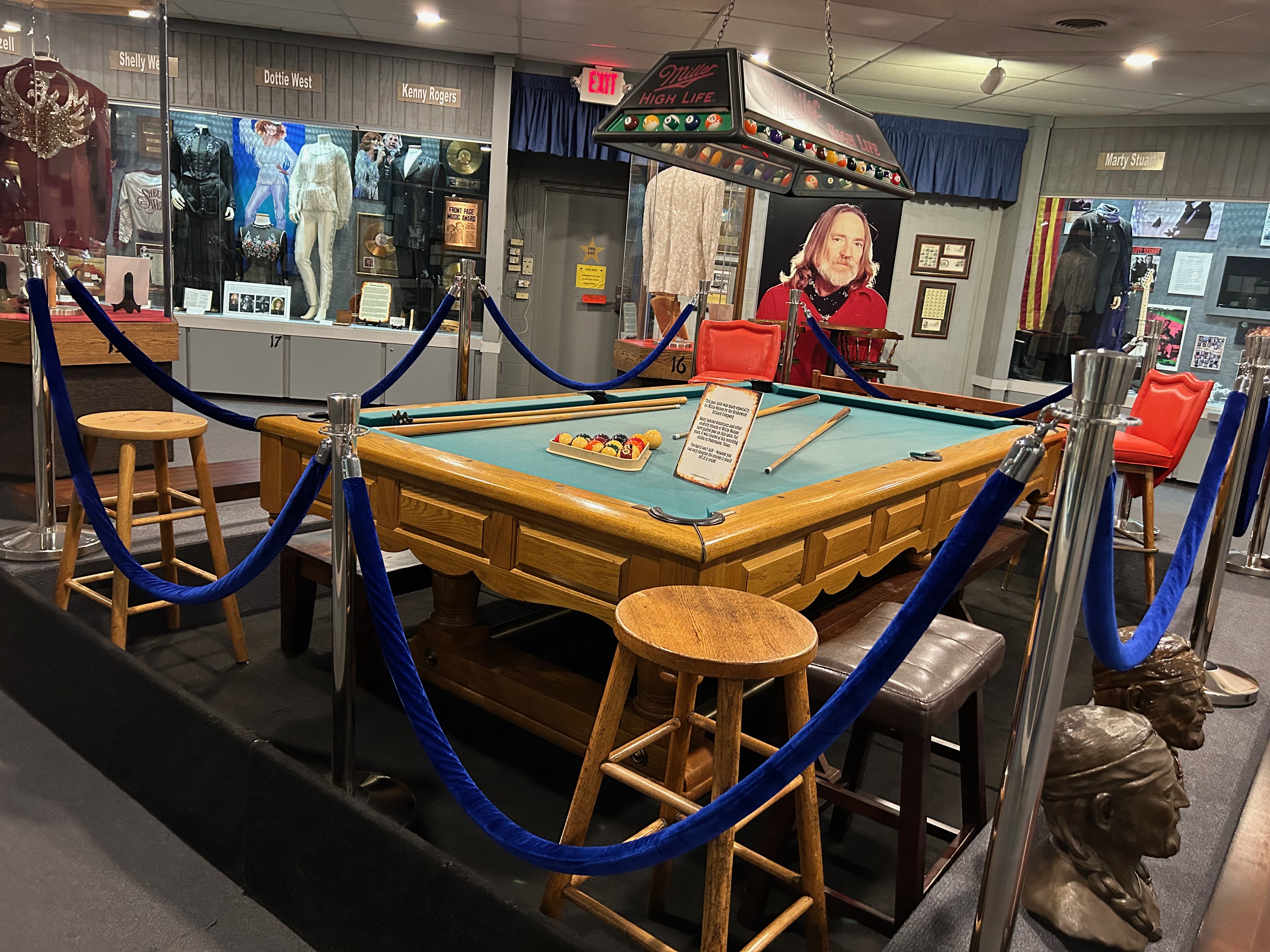
Its 4,500-square feet of exhibit space details the world of Willie Nelson and many other entertainers who’ve intersected with his wide-ranging musical orbit over the years, including Kenny Rogers, Dolly Parton, Patsy Cline, Porter Wagoner, Johnny Cash, Waylon Jennings, Mel Tillis, Faron Young and Dottie West. There’s a pair of Nelson’s running shoes, and the guitar he played on his first Grand Ole Opry appearance—and his paltry $15 paystub from the gig. Over here’s a mockup of the front of his tour bus; over there’s a custom-made billiard table that once sat in his parlor; walls and display cases hold dozens of photos; and yep, that’s a booth and seats from Tootsie’s Orchard lounge, where Nelson and other singer-songwriters used to hang, just feet away from the backstage entrance to the Ryman. The laminated top of the booth is covered in autographs and scribbled notes, like hillbilly-music hieroglyphics.
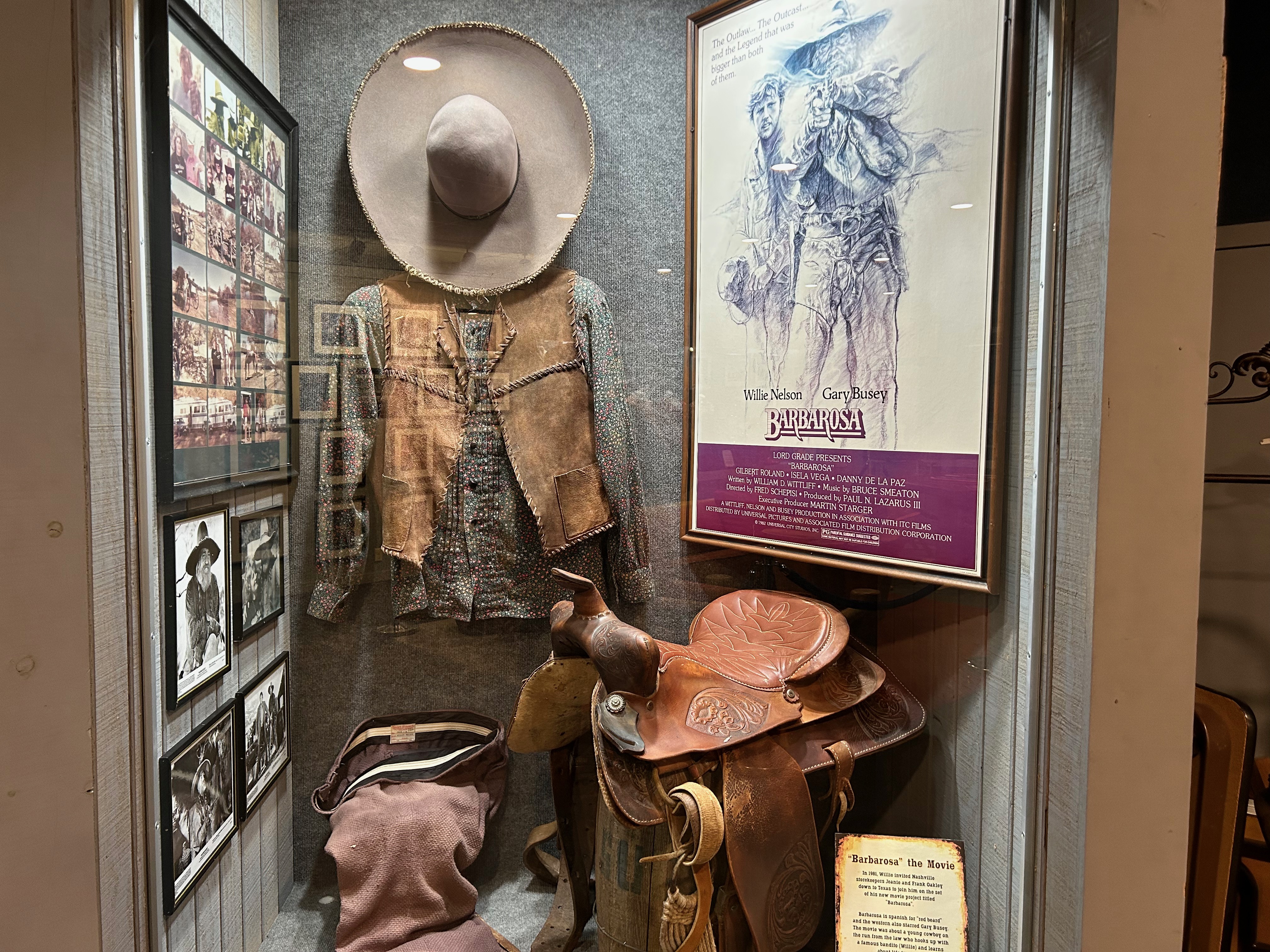
There’s a blowup of Willie’s high school yearbook pic, movie memorabilia and items from the first Farm Aid concert, in Champaign, Ill., in 1985, including a bandana signed by all the artists who came to perform—including Willie’s fund-raising partners Neil Young and John Mellencamp, plus Loretta Lynn, Bob Dylan, B.B. King, Billy Joel and Tom Petty. Look, that’s Willie’s 1979 Entertainer of the Year trophy from the Country Music Association, his only win in that category. And yes, that’s a handwritten note from Patsy Cline, thanking him for writing “Crazy” and letting her record it.
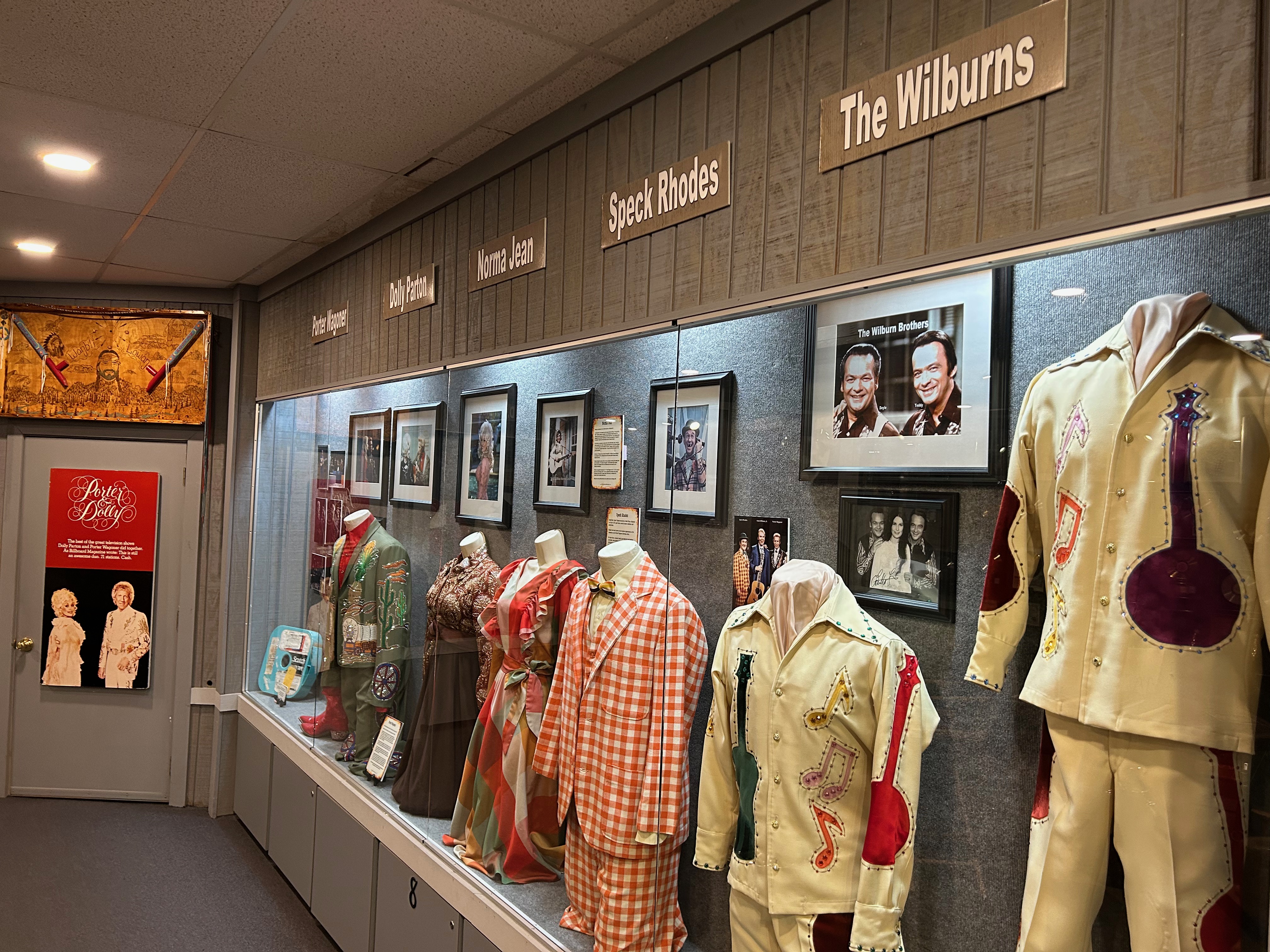
You can sit in a little theater alcove and watch a couple of documentaries featuring Nelson and other country performers reminiscing about bygone Nashville days. Or browse displays of stage attire from a country music who’s who of stars.
Another display, of framed photos, shows Willie’s wives, all four of them.
Hughes notes that Nelson’s granddaughter, Raelyn, was coming by the museum the next day to tape an episode of her Music is Funny podcast from the museum. Nelson used to drop by himself from time to time when he was in Nashville, but that doesn’t happen much anymore, now that he’s a bona fide global superstar who doesn’t spend a lot of time in Tennessee anymore. And even though he remains very active at 90, he’s not quite as wide-ranging as he used to be.
Many of the display items came from the Internal Revenue Service, which auctioned off Nelson’s property to chisel away at the $16.7 million they said he owed them, in the early 1990s, for unpaid taxes. “My mother was able to work out something with the IRS,” says Hughes, “and get first crack at some things.” Some things by the truck load, as it turned out.
Hughes says he often hears from museum visitors how surprised they are to see photos of Nelson well-groomed and clean-cut, without his long hair and signature braids, no beard, and wearing dapper, double-breasted suits—1960s Willie, as he was trying to crack into the Nashville music biz. “They say, ‘I’ve never seen Willie with short hair!’ They had no idea he existed before ‘Blue Eyes Cryin’ in the Rain’,” he says, noting Nelson’s No. 1, written by Fred Rose, from his 1975 Red Headed Stranger album, which signaled the beginning of his “outlaw” phase—and the end of regular trips to the barbershop.
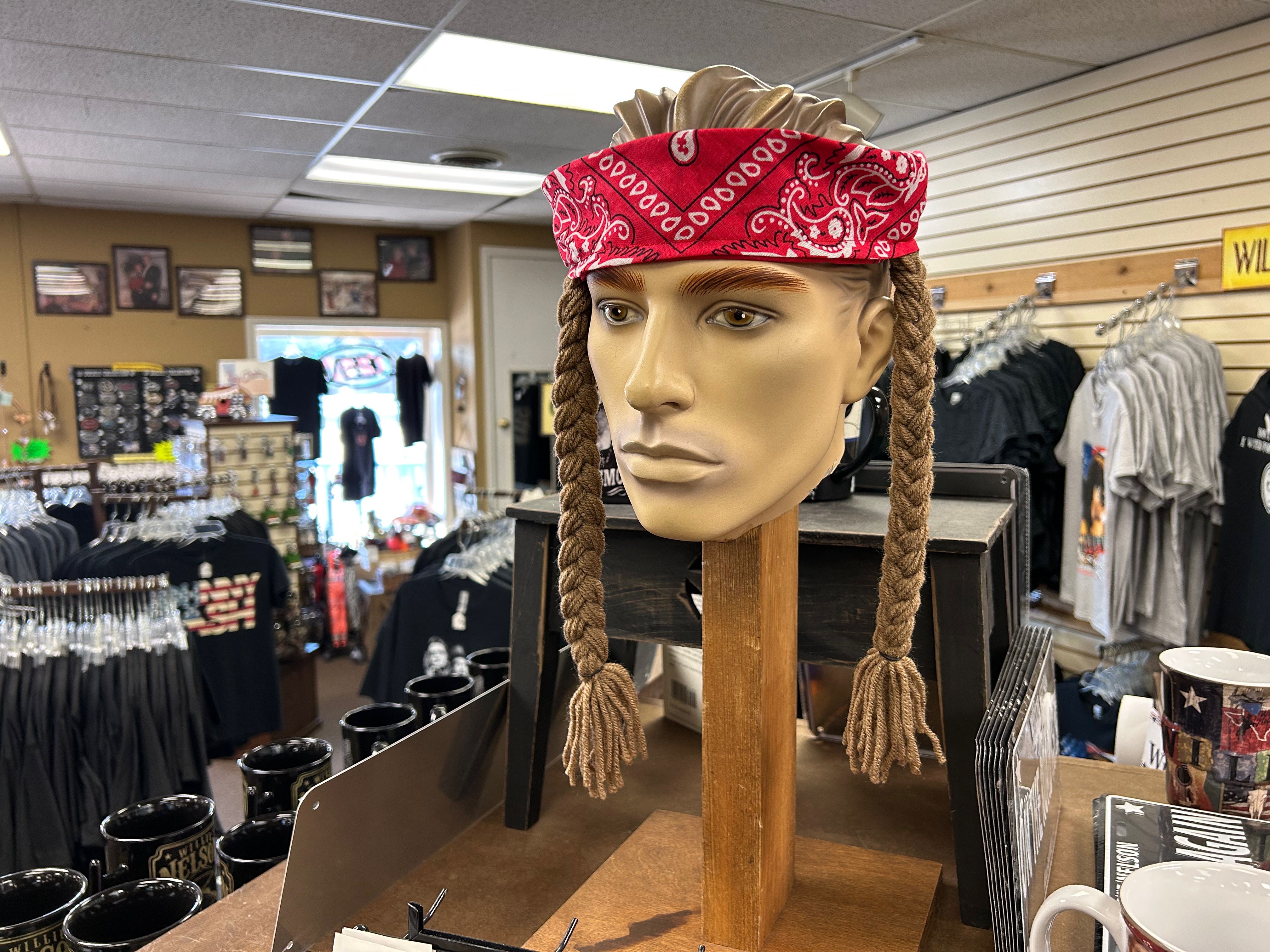
Visitors enter (and exit) the museum through a well-stocked gift and souvenir shop, full of t-shirts and country music collectibles. You can buy a Willie Nelson bandana (complete with braids) or cannabis-themed koozies. And get your future foretold by a mechanized Willie-bot in a coin-operated fortune-telling booth.
The museum displays are mostly vintage, truly from another era, a snapshot of country music before the current millennium and its ever-rising tide of newer, younger acts. “We don’t have anything against so-called newer stars,” says Hughes. “That’s just not what we’re about.”
“There are very few artists who can span the number of years that [Nelson] has contributed, and still be the level [Nelson] is today,” he says, citing Wille’s recent pair of 2023 Grammy Awards. “There aren’t many places people can walk into and see such a diverse collection of specific country music memorabilia, and you can run a thread through all of it and see how everything’s connected”—connected to Willie, as a songwriter, a singer, a hit-making megastar…and good friend to just about everyone whose paths he crossed along the way.
And that includes Hughes, the former businessman who years later took over, and expanded, his mother’s Willie-centric collection.
People think, “Long hair, smokes pot,” says Hughes of how many fans perceive Nelson. “Yeah, that’s true. But to me, he’s a very nice guy. I’ve never, ever seen him upset.”
Drumming with Charlie Daniels, a memorable slice of pizza with Lynyrd Skynyrd’s Artemis Pyle, and going gonzo for Southern rock
Ain’t it good to be alive and be in Tennessee!
That’s something Charlie Daniels used to bellow out on stage, typically when he was playing back on his midstate home turf.
In the late 1970s, he was the big kahuna of the growing band-centric genre of Southern rock, which included such diverse groups as Lynyrd Skynyrd, the Marshall Tucker Band, Wet Willie and the Allman Brothers. Charlie had paid his dues as in the 1960s as a Nashville session guitarist (he played with Bob Dylan, Ringo Starr, Pete Seeger and Flatt & Scruggs) and touring road dog. He produced an album by The Youngbloods.
In the early 1970s, he’d had enough of all that and wanted to helm his own group. The Charlie Daniels Band finally hit the airwaves with “Uneasy Rider” in 1973. I remember him performing that song solo, on Ralph Emery’s early-morning weekday TV show, when I was a sophomore in high school. I remember thinking, wow, he looks like he’s not used to being up this early.
Starting the next year, Charlie would throw a big annual homecoming bash, the Volunteer Jam, in the Nashville area. He’d invite all his Southern rock friends to share the stage, along with special surprise guests from the wider musical world—James Brown, Ted Nugent, George Thorogood, Crystal Gayle, Roy Acuff, Alabama, Carl Perkins, Little Richard, Stevie Ray Vaughn, Don Henley after he’d gone solo from the Eagles. It was the big all-star concert event of the year, with a proudly Southern-fried spin.
In my role as a journalist, I crossed paths with Charlie several times over the years. And his music was a formative part of my teenage years, which happened to be the era in with Southern Rock was on the ascending arc of its curve, and South-rooted FM rock was at its zenith…especially in the South. I played in a band during high school—drums—and would put down the sticks and pick up a pawnshop fiddle to play a screech-y version of “The South’s Gonna Do It,” the CDB’s breakout hit from 1974. (Fortunately, in those dark ages of technology, no home video exists of me playing the fiddle.)
A few years later, I got to know one of Charlie’s two drummers, Freddy Edwards, when I was dispatched to interview and photograph him for the newspaper The Portland (Tenn.) Leader, for which I was working during college breaks. Freddy and his wife had bought a house locally, less than a mile from where I grew up, and we got to be friends. I photographed him for the piece in his basement, playing his drums. It looked a lot like the basement in my house, where I’d learned to play on my kit.
And in an interview that would presage my movie-reviewing career by some three decades, we talked about a wide range of things—including the movie Freddy and Colleen had just seen, Day of the Dolphin, starring George C. Scott. I don’t remember much else about the interview, but I do remember how impressed Freddy was with the story about “intelligent” research dolphins who are kidnapped in a diabolical ploy to use for a political assassination.
Freddy invited me one day to come along with him to a CDB rehearsal, at Charlie’s place in Mount Juliet, Tenn. Why, of course! To give the pretense of something professional, I brought along my camera and snapped some pics of Charlie and the band running through songs for the album, Million Mile Reflections, they were getting ready to record in the studio. Freddy asked me if I wanted to sit down behind his drums and play a bit while the band loosened up and jammed—on a tune that turned out to be the albums’ opening cut, a song called “Passing Lane.” To this day, whenever I hear that song, I hear the groove that I had locked into that morning in the rehearsal house on Charlie’s place.
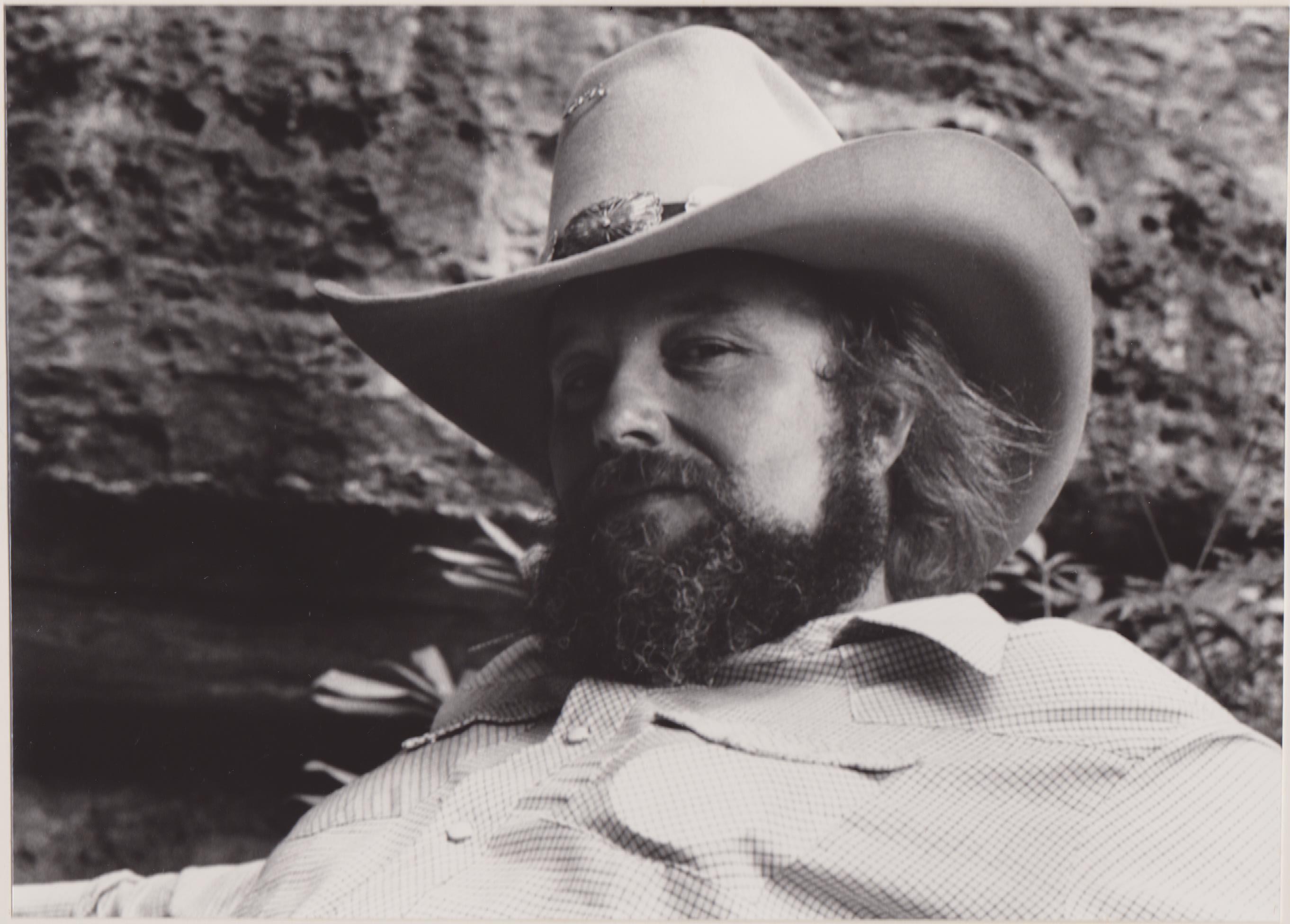
A few more years rolled by. I interviewed and photographed Charlie for a magazine cover story after he won a CMA Award for “The Devil Went Down to Georgia.” It was my first job out of college, and I met him at the south Nashville home of his manager, Joe Sullivan, the former DJ who founded Sound Seventy Productions. I took some portraits of Charlie leaning back in a swing in Sullivan’s backyard, against a wall of sheared rocks, because it had a kind of Mount Rushmore feel. Charlie was himself a mountain of a man, a big guy. And if Southern rock had a Mount Rushmore, he would have certainly been on it.
“I’m just a country boy who plays the guitar and the fiddle,” Charlie told me, spitting a mouthful of tobacco juice with an emphatic splat into a pop bottle. “That’s all I am. I ain’t no better than anyone else. I don’t look at myself as being separated from the rest of the human race just because I sold a few records.”
He went on to sell a few more records, and I went to several Volunteer Jam events, marathon kaleidoscopes of eclectic performances, all revolving for that one night around Charlie Daniels. One piece I wrote on the Jam in the early ’80s described the performers cycling on and off stage like precision figurines in a massive Swiss clock of Southern rock, musical moving parts all clicking and ticking in sync with the night’s schedule. But you never knew who’d be coming up next. Appropriately enough, the Jams always closed in a late-night jam session, with everyone who’d performed that evening invited to return to the stage and join in.
As a fledgling music journalist, I’d been reading a lot of Rolling Stone, trying to soak up some of the mojo about how the big boys covered big musical stories. One of the RS “correspondents” was Hunter S. Thompson, whose counter-cultural “gonzo journalism” was a free-wheeling mixture of surrealism built around his own outrageous experiences. In Thompson’s world, a writer did than simply report a story—he became part of the story, shaping and sizing it by his presence and participation. I wasn’t gonzo enough to throw myself into Thompson’s dizzying swirl of whiskey, weed, cocaine and acid, but it did give me an idea.
I called Charlie’s publicist, Paula Szeigis, and pitched my proposal for covering the upcoming Volunteer Jam XIII, set that summer at the outdoor Starwood Amphitheater. Charlie knows I’m a drummer, I reminded Paula. What if I played drums during the Jam’s closing jam session, and wrote about it, for coverage? That seemed like something Hunter S. Thompson might have done if he were covering a Charlie Daniels event for Rolling Stone. It seemed gonzo tailor-made for me.
Paula seemed to like the idea, and said she’d run it by Charlie. A couple of weeks later, I got the confirmation call. I’d be drumming at the Volunteer Jam.
At the event, I picked up my laminate and milled around backstage with all the other musicians—Stevie Ray Vaughn was there, so was William Lee Golden of the Oak Ridge Boys. Over there is the L.A. rock band Great White, and is that Amy Grant’s husband, Gary Chapman? Yep, it is!
But the VIPs of the evening were the members of Lynyrd Skynyrd, making their first appearance with Johnny Van Zandt as then new front man. He was the little brother of Ronnie, who died in the tragic airplane crash ten years earlier; the crash killed a total of six band members and crew, including guitarist Steve Gaines and his backup vocalist sister, Cassie. That night’s Volunteer Jam was a reunion of the surviving members, who’d decided to pull all their loose ends back together after the setback and re-form for a tribute tour.
It would be the final time they’d share the stage with Allen Collins, who appeared in a wheelchair, waving to the crowd. But his guitar-playing days were over. I think a lot of the crowd at Starwood thought Collins was incapicated because of injuries after the plane crash, but actually, he’d been paralyzed in a 1986 car accident when his new black Thunderbird flipped on a Florida highway, killing his girlfriend passenger. He would never play guitar again, and he died three years later.
There was Ed King, the former Strawberry Alarm Clock member who’d joined Skynyrd in 1972. And there was bass player Leon Wilkeson and drummer Artemis Pyle (more about him later), the former U.S. Marine and aviator who’d replaced the band’s original drummer, Bob Burns, in 1974. And there was Gary Rossington, one of the band’s founding members, and piano player Billy Powell, who started as a Skynyrd roadie but became a part of the group after the band heard him noodling around on a keyboard.
With Rossington’s death March 5, the band’s “classic” lineup was all gone—Ronnie Van Zant, Gaines, Wilkeson, Powell, Burns and King. I’ve been thinking about how almost all the Skynyrd band members I watched that night are no longer with us, and three of them had perished a full decade earlier. It had been a rough road for Lynyrd Skynyrd. And Southern rock, as a genre, would soon be past its heyday, a retro relic of another place and time.
I’ve been thinking about the times I heard Lynyrd Skynyrd, the times I saw Lynyrd Skynyrd, and about the time I reviewed their sophomore album, Second Helping, for my high school newspaper. Believe it or not, I slagged Bob Burns’ drumming. (He left the band in 1974 after a mental breakdown.) And I’ve been thinking about a night in 1989 in Elliston Place, Nashville’s West End music district, when I sat down at a table in The End, the little rock club across the street from the Exit In, and had some pizza with Artemis Pyle.
I was playing drums in a little Beatles cover band, Day Tripperz, and we making a return appearance at the club. There were maybe 20 or so people there; it was a weeknight. I couldn’t see very clearly; it was dim and dark. But I could make out the silhouette of one guy, with long dark hair, and he seemed a little bit older than the otherwise college-age crowd. Then a delivery guy from Obie’s Pizza, across the parking lot, came into the club and yelled, “Artemis! Pizza for Artemis.”
I’d never heard the name Artemis until I started reading album credits and music features and came across Artemis Pyle. Could this be that Artemis, the one who drummed for Lynyrd Skynyrd?
Indeed, it was.
Our band was on a break, so I went over and introduced myself. He had friendly eyes and a big, fuzzy beard that seemed to meld with his long hair to completely obscure his face, and he asked me to pull up a chair. He was likeable and talkative. We bantered with a bit of drummer small talk, and then he told me about surviving the plane crash, and how he wanted to write a book, called “The Best Seat in the House,” about his perspective as Skynyrd’s stickman, getting to see everything—on stage and in the audience—from his seat behind his double-bass rig on the drum riser. Artemis didn’t sing; he just drummed…and watched. But the title had a double meaning. If he hadn’t been where he was sitting on that ill-fated Conair CV-240, when it plowed into the Mississippi swamp, if he’d been in another seat, situated somewhere else in the plane, he might not have made it. As it was, Artemis was the only survivor capable of crawling from the wrecked fuselage and trekking into the night looking for help, covered with mud and blood.
Best seat in the house, for sure.
At the Volunteer Jam event, I didn’t know when I’d play on stage, with whom, or what songs. So I just hung out, me and my laminated backstage pass, waiting for my cue and watching the musical flow—and the frenzy when Lynyrd Skynyrd took the stage, plowing into the opening bars of “Workin’ For MCA.”
When my “spot” finally came, at the evening’s big closing jam, I was instructed to come up on stage and stand behind one of the two risers on the backline; there were two drummers playing to keep the beat going and avoid any interruption when a sub would come aboard. One of the drummers, on the other riser, was Artemis. The risers were about three feet high, and they had a couple of little steps. A stagehand was standing beside me, behind the platform, and when one song finished, he reached up and put his hands into the rear of the drummer’s pants waistband and gave a tug—time to “switch out.”
The newly de-throned drummer hopped down, handed me his sticks and I climbed up. And before I could say “Yikes!” the 15 or 16 musicians on stage launched into a rocking version of “That Good Ol’ Mountain Dew.” Charlie was leading and calling the shots, throwing in fiddle breaks. Our two-drummer rhythm section was churning. And most of the Lynyrd Skynyrd band members—and various other musicians—were scattered about, picking and playing and trying to get all their chords in the right spots.
I could see the stage stretched out in front of me, with the edge about 40 or 50 feet away. The audience was a churning sea of faces on the other side, disappearing up the hillside into the night. The sound is different, on a big stage like that, from what you’d hear in the audience. I could barely hear when Charlie turned away from the stage and told the musicians what song we’d be doing next, and then we were launched into a peppy version of “Will the Circle Be Unbroken.”
I’d never played that, or the other song, either. But luckily, growing up steeped in music, I was familiar with them. I just locked in with Artemis, and away we went.
And then I got the tug; my time was up, and there was yet another drummer waiting to take my spot for the big finale, the closing jam number.
I didn’t get any pictures; it’s hard to photograph and drum at the same time. And all my Nashville press colleagues—from the Tennessean, from the Banner, from Billboard, from the Associated Press—had left early, to beat the traffic, along with most of the publicists who were there. I haven’t, to this day, come across anyone who witnessed me playing drums on the stage with Charlie Daniels and Lynyrd Skynyrd.
But I did.
And for a few minutes, I knew what Charlie Daniels meant, about it being good to be alive, and be in Tennessee—I was alive, in Tennessee, playing drums at an event I’d previously only experienced as a spectator. I was alive, even as the specter of death loomed in the gloomy recesses of Southern rock’s musical soundscape, waiting to pluck more victims. My heartbeat had synched with my drum beat, and I knew exactly what Artemis Pyle would later be talking about, off West End Avenue, over slices of Obie’s Pizza.
I, too, felt like I had the best seat in the house, and in a lot of ways, I always have.
Jack White’s indie boutique label continues to push the envelope for the “experience” of music
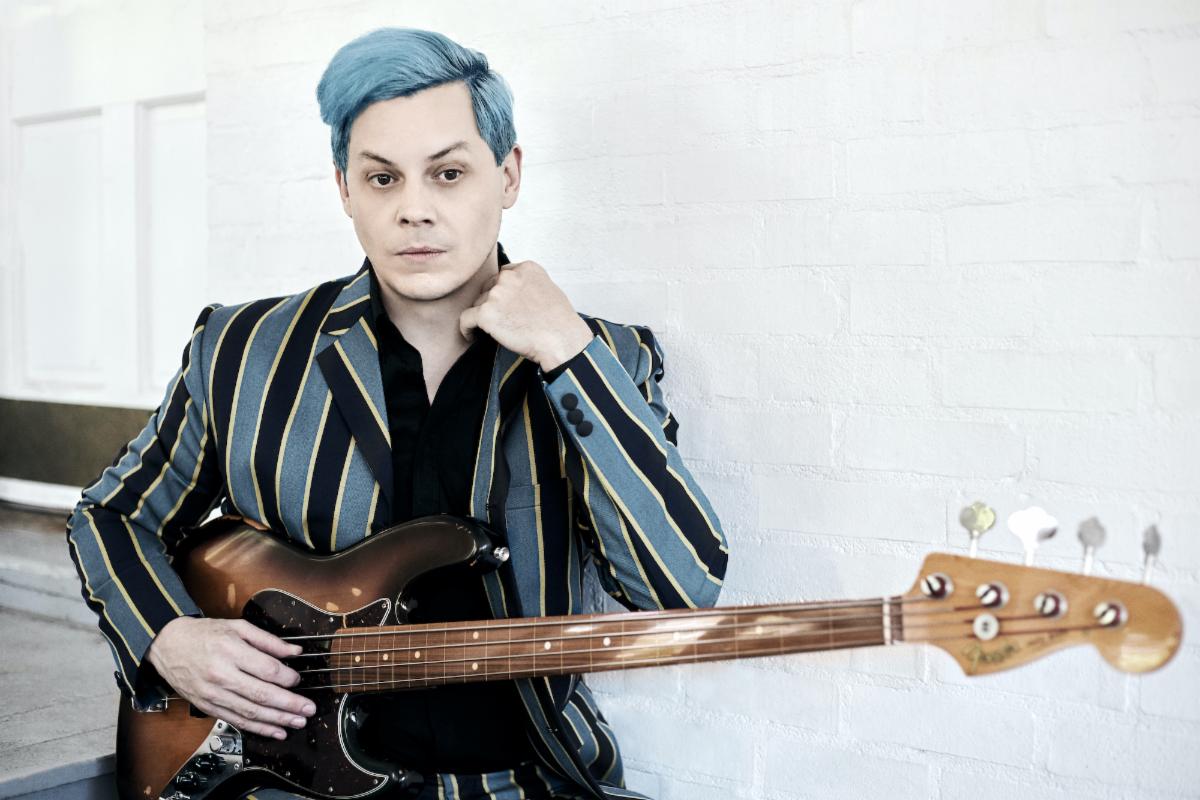
The former White Stripes front man opened up Nashville’s Third Man in March 2009.
Ben Swank might not be singing “Happy Birthday” this week, but he’ll be thinking it as Third Man Records marks its 14th year in Nashville.
“It feels like, wow, that went by so fast,” says Swank, who was instrumental in opening the Nashville branch of Third Man in 2009—and he’s been a Nashvillian ever since.
Some nine years earlier, Grammy-winning Detroit rocker Jack White had co-founded the independent, vinyl-centric record label with Swank and Ben Blackwell, his Michigan business partners. “It happens fast when you head down the middle of it.”
From its eclectic headquarters on 7th Ave. South, Third Man has grounded itself in the local music community, pushing the boundaries of what a record company can do and be. It releases records, sure, but it’s much more—a retail store, live-music venue, photo studio, distribution center, publishing company and arthouse cinema. Where else in Nashville can you see a collection of vintage music-machine curiosities, then catch a set by a visiting Scottish indie sensation? It’s the only record company in Nashville where an act can perform, record live and then have vinyl records made—on the spot—in just a matter of hours.
Fans can not only see and hear music, purchase it and be entertained by it, but can experience it in one of Nashville’s coolest, most unique settings, where music isn’t so much a commodity as an organic, ongoing creative process.
“Jack’s philosophy on a lot of things is to find new ways for fans to engage,” says Swank, whose describes his role and responsibilities as Third Man’s consiglieri.
Since its opening, hundreds of artists have plugged in to Third Man in Nashville. There’ve been singer-songwriters, garage bands and punk rockers, but also superstars. U2, Pearl Jam, Conan O’Brien and comedians Chris Rock and Aziz Ansari have performed and recorded there. So has White’s former White Stripes duo partner and ex-wife, Meg. Country’s Margo Price was a Third Man breakout with her critically acclaimed 2016 debut album Midwest Farmer’s Daughter.
When I connected with him a couple of weeks ago, the consiglieri talked about becoming a Nashvillian, how he hooked up with White, and the big opening night, 14 years ago, that kicked everything off and set the tone for everything that would follow.
How did you meet Jack White?
We met when we were in our early 20s in Toldeo, where I’m from. One of his bands was playing on a bill with some friends of mine. My band played in Detroit [White’s hometown] a lot. We started swapping shows; he produced my band’s first big record. We just kind of became, the way music can bring people together. But more than that, I always thought Jack was an intelligent, natural-born almost bohemian type person, and I’ve always found myself more interested in people like that. I just think we identified with each other a little more than some others in the world. But certainly, music was the first thing that kind of made us friends.
White had already moved to Nashville, in 2005, after producing Loretta Lynn on Van Lear Rose, her much-hailed comeback album, on which the former White Stripes front man also sang and played guitar. Impressed by the Music City vibe, he decided to open a Nashville branch of Third Man, expanding beyond the company’s original footprint in Detroit and its later setup in London. Swank, working in the London location at the time, and Blackwell, White’s nephew, were tapped to relocate and set up the new operation.
What were your first impressions of Nashville?
I didn’t know anything about Nashville, and then, here I was. My very first night they took me down to Broadway, and I thought, ‘Oh, boy, well, this isn’t me.’ But I put in some time, and almost immediately I started seeing that this is the perfect place for us. I wanted to be in a smaller town, and I was kind of tired of living in a sort of hectic-ness [in London]. Nashville had everything we needed for Third Man; URP, United Pressing Service, who started working with us [making acetates and records] almost immediately, was right down the road from us; [and] there’s so much printing [done] here. It felt very close to what we were trying to do, at start of the onset of the trend of small businesses and farm-to-table restaurants. We wanted to say, “Come in, you can record, take your photos, do all of it in-house, and your records will be made here in Nashville,” A one-stop shop.”
Third Man launched in Nashville on March 11, 2009, with a top-secret grand opening known only to the 100 guests who’d been invited. White debuted his new band, The Dead Weather, which played their very first show in Third Man’s new venue space, the Blue Room.
What do you remember about opening night?
Lots of industry people came to see the debut of Dead Weather. We had already pressed Dead Weather’s first seven-inch [vinyl 45], which was available at the show. All the sleeves were hand-signed by the band. Everyone got an individual piece of photo strip of the band, and each one had a different picture in every frame. I think it immediately set the pace for what we were trying to do. We took everyone’s phones away; they had to immerse themselves in this party, this experience. It was amazing to see people’s minds blown by this new thing that was happening.
Third Man continued to add to the experience of music. In 2013, it introduced the Third Man Record Booth, where fans—or anyone else—could step inside a small space and make an “instant record.” Soon, artists also flocked to the booth; Neil Young recorded a whole album in it; Weezer, Weird Al and Richard Thompson also plugged in to its unique aural ambience.
What other new things did you bring to Third Man after the opening?
We’ve expanded our retail store four times. We bought the building next door to us and combined both into one larger structure. So, we now have distribution in-house now, as well as what we call “soft” merchandising manufacturing—T-shirts, etc. And we added the photo studio, where we hand-develop film and make prints in-house. Our Blue Room is now open for shows five nights a week. We’re a bar that’s open on a near-daily basis. We have 800 releases under our belt at this point, I have a family now and I’m almost 50. It’s fun to look back. We started out as a very small team, and we’ve built a very specific kind of world and culture here.
Especially at first, locals expressed some skepticism about the location chosen for Third Man in Nashville—just across the street from the city’s homeless shelter, a couple of blocks from the Greyhound station, in an industrial zone where businesses mostly buttoned up and shut down after dark.
There were comments about Third Man setting up shop in a spot that some people considered dicey, or even a little dangerous.
It doesn’t bother us. We still hear about that; apparently, it’s a concern for some folks. I think it says a lot more about [them] than us, to be honest. Just because we’re next door to the mission, I don’t think it means anything necessarily bad about the neighborhood. It’s always felt like home to us, and that’s what Jack [wanted]. Since we come from a more sort of industrialized city, it never seemed out of place to us.
What have been some of the highlights and things you’re proudest of?
We have a world record—the fastest record ever made, which we did in front of a live audience; recorded it, pressed it, did the artwork. That was a big thing.
[In 2004, White recorded a pair of new songs in front of a live audience, then took the direct-to-acetate disc to United Record Processing, printed vinyl singles and brought them back to Third Man, immediately, to sell to fans. Elapsed time: just under four hours.]
We put a record in space, Carl Sagan. [Third Man’s 2016 vinyl release of the Cosmos host talking was set to music by composer John Boswell; a gold-plated vinyl copy spun on a turntable, specially designed to function in the deep freeze of high altitudes, attached to a high-altitude balloon that ascended to 94,000 feet]. It sold a lot of copies for us.
We brought countless bands through our doors that hadn’t played in Nashville before or wouldn’t have played here otherwise. We have the only venue in the world where you can play a live show in front of an audience and record direct to acetate, live to a master in real time. The audience can watch that process as it happens, and then buy those albums. That’s something that only exists in Nashville, because of us.
We screen films; we have 16mm projectors and we try to show films that are out of distribution. We do massive poetry events and art shows. We really try to just be part of the culture overall. [Third Man’s publishing imprint has released an array of diverse titles of poetry, fiction and children’s books, including White’s own “We’re Going to Be Friends.”]
There’s been so much over the years. But I think the thing I’m most proud of is really being a part of this community, less about being the “first ones” about anything. More about being a part of what’s special about Nashville, and bringing our own stamp to that, in a very specific Third Man way.
























 The Media Tourist