Category Archives: Movie Reviews

Ho-Ho-Hokum

‘Love the Coopers’ is snow-covered Christmas gloop

(Left to right) Diane Keaton and John Goodman in LOVE THE COOPERS to be released by CBS Films and Lionsgate.

Love the Coopers

Starring John Goodman, Diane Keaton, Alan Arkin, Ed Helms & Olivia Wilde

Directed by Jessie Nelson

PG-13

In the early moments of this sprawling Christmas comedy, characters somehow appear to end up “inside” a snow globe, frolicking in the crystalline white flakes.

There’s a lot of snow in Love the Coopers; the stuff never stops falling. I was surprised by the end of the movie that it hadn’t shut down every road in Coopersville, or Cooperstown, or Coopers Knob, or wherever it is the story takes place. Instead, like a gigantic snow globe, the movie just seems to regenerate the same precipitate, shaking it up over and over again—so it doesn’t pile up, it just flies around and re-lands, making everything look like a big, fluffy white winter wonderland, snow on snow.

Love the Coopers indeed looks like a picture-perfect Christmas: sumptuous cookies and cupcakes, colorfully coordinated sweaters, coats and scarves, holiday carolers, red poinsettias, green mistletoe, twinkling lights on impeccably trimmed trees. Even the dogs are decorated.

LOVE THE COOPERS

Marissa Tomei

But all the cheery Christmas decorations cover up a big, dysfunctional mess: The Coopers are falling apart, in just about every way. Mom Charlotte (Diane Keaton) and dad Sam (John Goodman) are planning to split after 40 years of marriage. Their grown kids (Ed Helms and Olivia Wilde), Charlotte’s younger sister (Marissa Tomei) and her dad (Alan Arkin) all have issues of their own.

There’s also a jaded waitress (Amanda Seyfried), a foul-mouthed urchin granddaughter (Blake Baumgartner), a cop with an identity crisis (Anthony Mackie), a couple of teens working out the sloppy, tongue-twisting kinks of French kissing, a say-anything septuagenarian aunt (June Squibb), and a strapping young soldier (Jake Lacy) who gets roped into the Christmas Eve family reunion as a pretend boyfriend.

And a partridge in a pear tree—no, not really. But it does get very, very crowded, and that’s not even counting the narrator, who turns out to be…well, someone whose name you’ll certainly recognize, in a form you’ll in no way be expecting, in a manner that makes absolutely no sense at all.

LOVE THE COOPERS

Producer-director Jessie Nelson, whose previous projects include the heart-tugging, high-pedigree gloop of I Am Sam, Stepmom and Corrina, Corrina, remains true to form here, with an all-star cast fumbling around in a deep-dish holiday goo of dumb dialogue, silly shtick and artificial sweetness that feels like a concoction created with ingredients ladled from other, far better cinematic Christmas crock pots—a dollop of It’s a Wonderful Life, splashes of Love, Actually, sprinkles of National Lampoon’s Christmas Vacation.

Snow on snow on snow.

Ed Helms and Alan Arkin sing, a dog gets blamed for a fart he didn’t make and Marissa Tomei hides a brooch in her mouth. There’s mashed potato slinging, Christmas carol mangling, streets full of Santas, gingerbread men in G-string frosting, and a joyous, swirling dance to a Bob Dylan song.

And so much snow. But it never piles up—and like the movie, it never adds up, either, to anything more than a slushy, mushy holiday heap of ho-ho-hokum.

—Neil Pond, Parade Magazine
Tagged , , , , , , , , , , , ,

Bond is Back!

‘Spectre’ double-O dazzles with derring-do, action & emotional depth  

Spectre

Spectre

Starring Daniel Craig, Christoph Waltz and Lèa Seydoux

Directed by Sam Mendes

PG-13


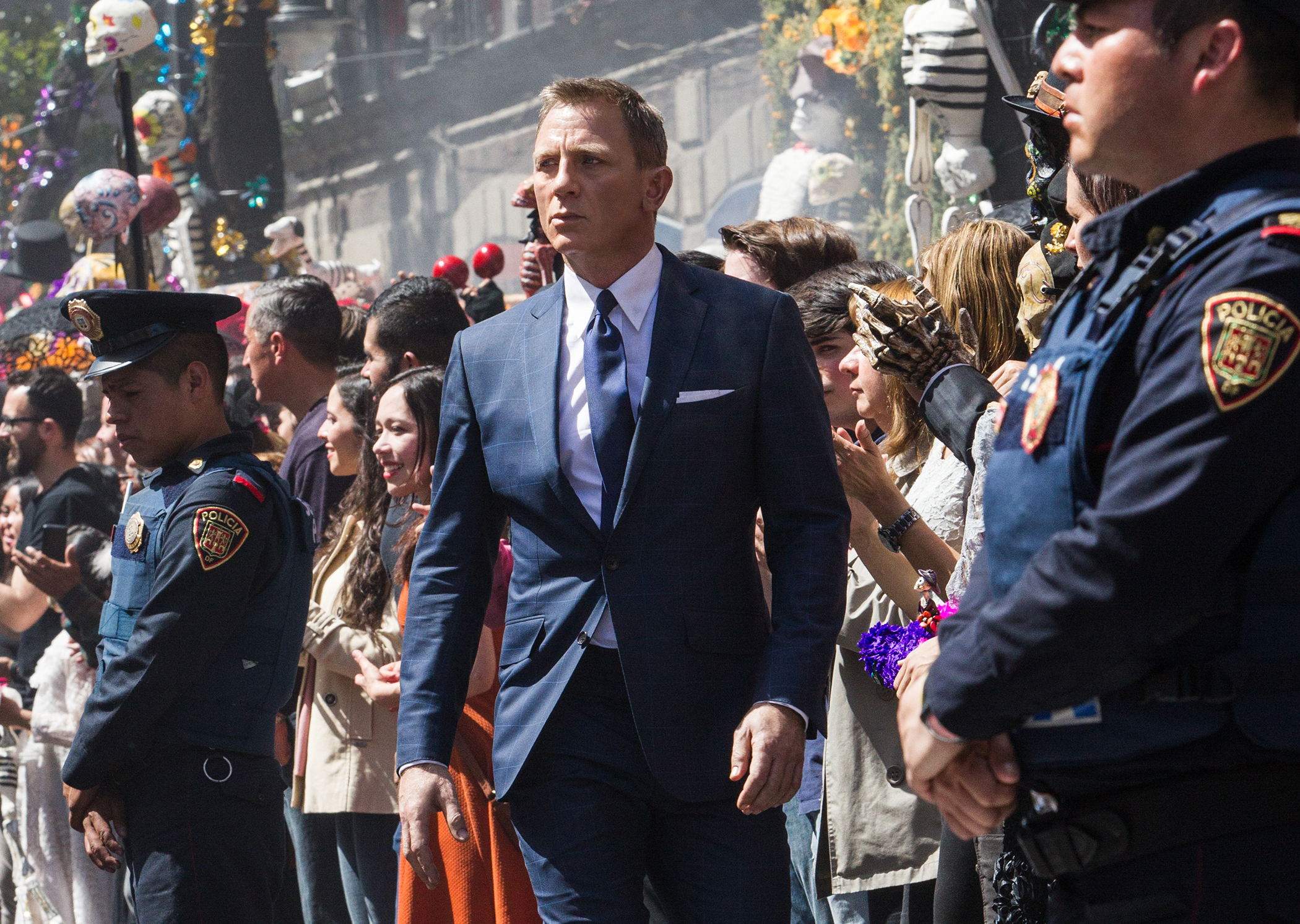
James Bond, with his iconic “license to kill,” has never been a stranger to death. And in Spectre, the latest adventure of the world’s most famous secret agent, the prospect of mortality looms especially large. “The dead are alive,” a cryptic sentence, is the very first thing you see on the screen, just before the face of a gigantic skeleton in a Day of the Dead parade.

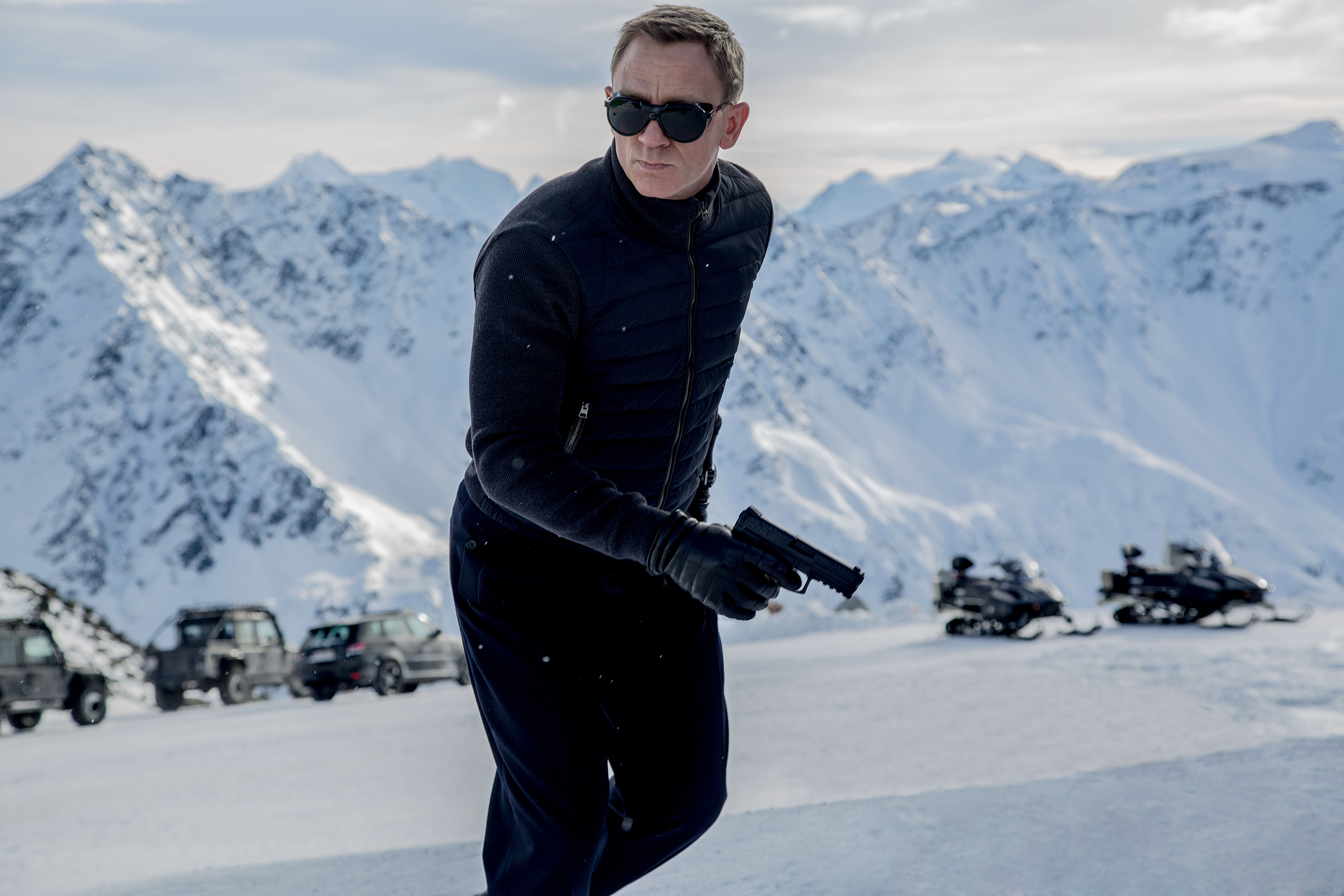
But as Bond (Daniel Craig) notes at one point, “Death and dying—it’s all a matter of perspective.” Spectre, the 24th movie since Dr. No began the Bond franchise in 1962, may reflect on the past and even gaze into the grave, but it’s vibrantly, expressively, emotionally alive and very much in step with today. Reuniting Craig with director Sam Mendes—his partner in the snap, crackle and pop of Skyfall in 2012—it begins with Bond going off the grid to wrap up some unfinished business just as the “double-O” espionage program headed by his boss, M (Ralph Fiennes), is in danger of being scrapped back in London.

Daniel CraigA crusading young British intelligence officer, C (Andrew Scott, Moriarty on TV’s Sherlock), wants to replace Bond and his “prehistoric” stalk-and-shoot derring-do with a new multi-national initiative, using global surveillance and drones to keep track of criminals—as well as everyone else.

“It’s the future,” C tells M. “And you’re not.”

M smells a big, worldwide rat, and so does Bond—and off he goes to track it down, to Mexico, Rome, Austria and the desert of North Africa, setting up some thrilling set pieces that up the ante on cinematic Bond moments. A dazzling 15-minute beaut of an opener begins as one ludicrously long, unbroken tracking shot (filmed by a drone!) down a street and into an alley, up and out of an elevator, into a hotel room, through a window and onto a rooftop—before climaxing in a building-toppling explosion, a frantic foot chase and a brutal hand-to-hand fight in an out-of-control helicopter dipping and diving over a crowded plaza filled with thousands of people.

Wow!

There’s a sleek nighttime car chase, an alpine pursuit with an airplane that becomes both a bobsled and a battering ram, and a brawl in a train so slam-bang intense you expect it to cause a derailment.

Christoph Waltz (left) and Leå Seydoux in Metro-Goldwyn-Mayer Pictures/Columbia Pictures/EON Productions’ action adventure SPECTRE.

Christoph Waltz

Christoph Waltz plays a nefarious über-villain with a deep-rooted evil secret that haunts—and hurts—Bond in more ways that one. Former pro wrestler Dave Bautista (so memorable as the red-tattooed Drax in Guardians of the Galaxy) is a hulking wall of sneering, leering bad news—and only one teeny, tiny two-word line of dialogue.

Lea Seydoux

Lèa Seydoux

As the latest “Bond girl,” French actress Lèa Seydoux gives Bond pause for something “more important” than the sometime-vicious necessities of his job. Ben Whitslaw returns as nerdy gadget master Q, and Naomie Harris is back as Moneypenny, the office assistant who’s now become an invaluable assignment aide.

Will this, Craig’s fourth outing as James Bond, be his last, as rumored? Time will tell. Other spies come and go, but Bond—whoever portrays him—has been the standard for more than 50 years, and Spectre finds him in fine, full, clever, super-stylish, ultra-cool, death-dodging form, very much alive and well.

“It’s good to have you back, 007,” M tells him at one point, welcoming him home. Yes, it bloody well double-O is!

—Neil Pond, Parade Magazine

Tagged , , , , , , , , , , ,

Down & Dirty

Sandra Bullock, Billy Bob Thornton make politics personal in ‘Crisis

OUR BRAND IS CRISIS

Our Brand is Crisis

Starring Sandra Bullock & Billy Bob Thornton

Directed by David Gordon Green

R

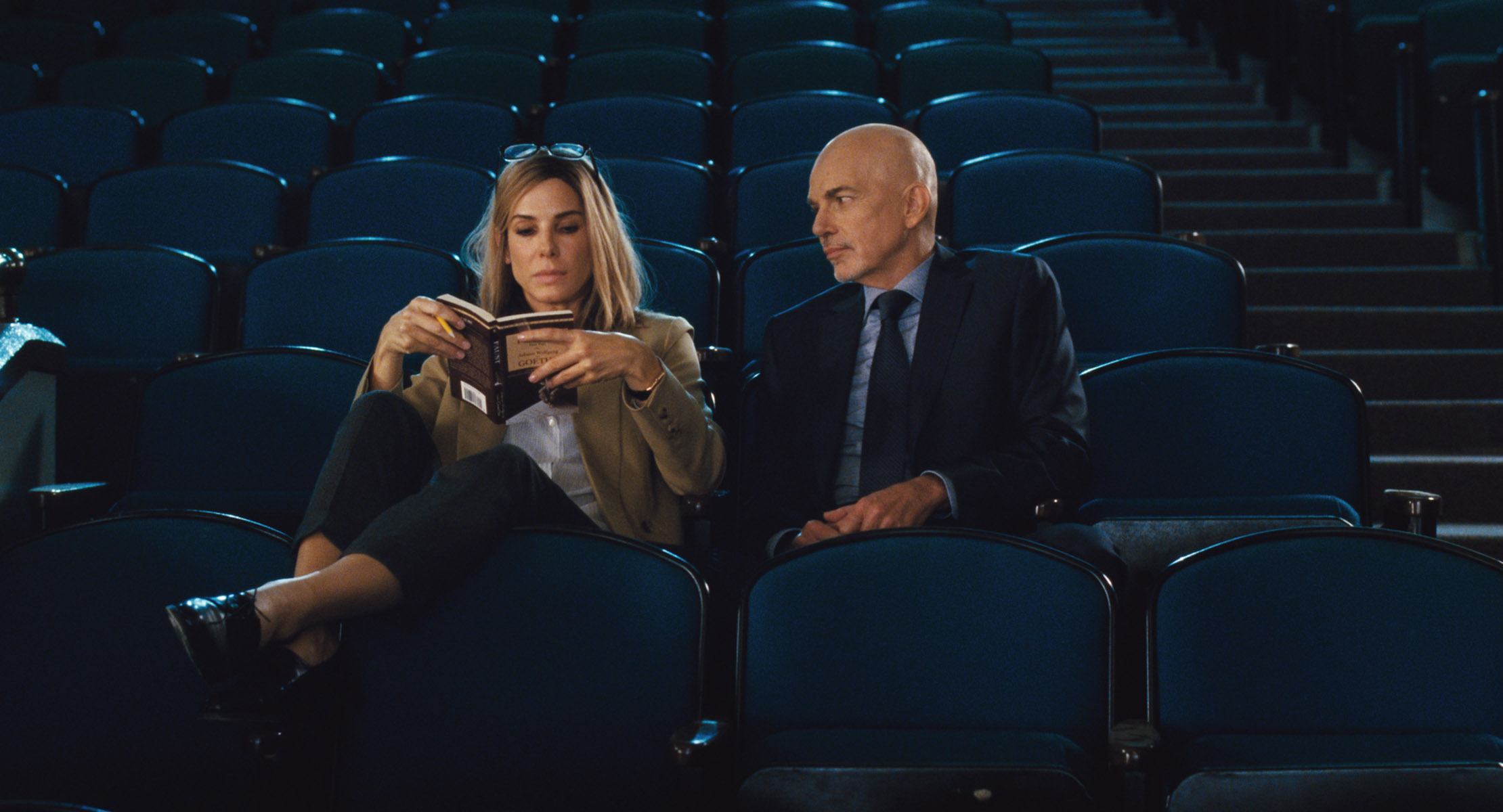
“I can convince myself of many things, if the price is right,” says Sandra Bullock’s character, “Calamity Jane” Bodine, in Our Brand is Crisis.

Jane is pretty good at convincing other people, too. That’s why the formerly formidable campaign strategist is lured out of early retirement to help an unpopular Bolivian president in an upcoming election—by convincing the reluctant public, through whatever means necessary, that they should vote for him.

But this battle’s not just political, it’s also personal: Bodine has to match wits with an old nemesis, Pat Candy (Billy Bob Thornton), who’s been hired to strategize for the other side.

It’s based on things that went down at a real 2002 Bolivian election, which was chronicled in an award-winning 2005 documentary of the same name. Thornton’s character is a movie remold of former hardball strategist James Carville, who appeared as himself in the original film. Bullock’s character—a part originally written for a male—is an amalgam of several other actual people.

OUR BRAND IS CRISISBullock and Thornton provide the movie’s real spark; it’s too bad there’s not more of it, and more of them, to help the whole thing catch fire. There’s a murky, turbulent history between Bodine and Candy that we never fully understand, just one of several things the movie doesn’t make clear. But the deft, unfussy way the two characters spar and parry, in guarded conversations and piercing silences, are artful reminders of just how these two pros can make the most of their screen time.

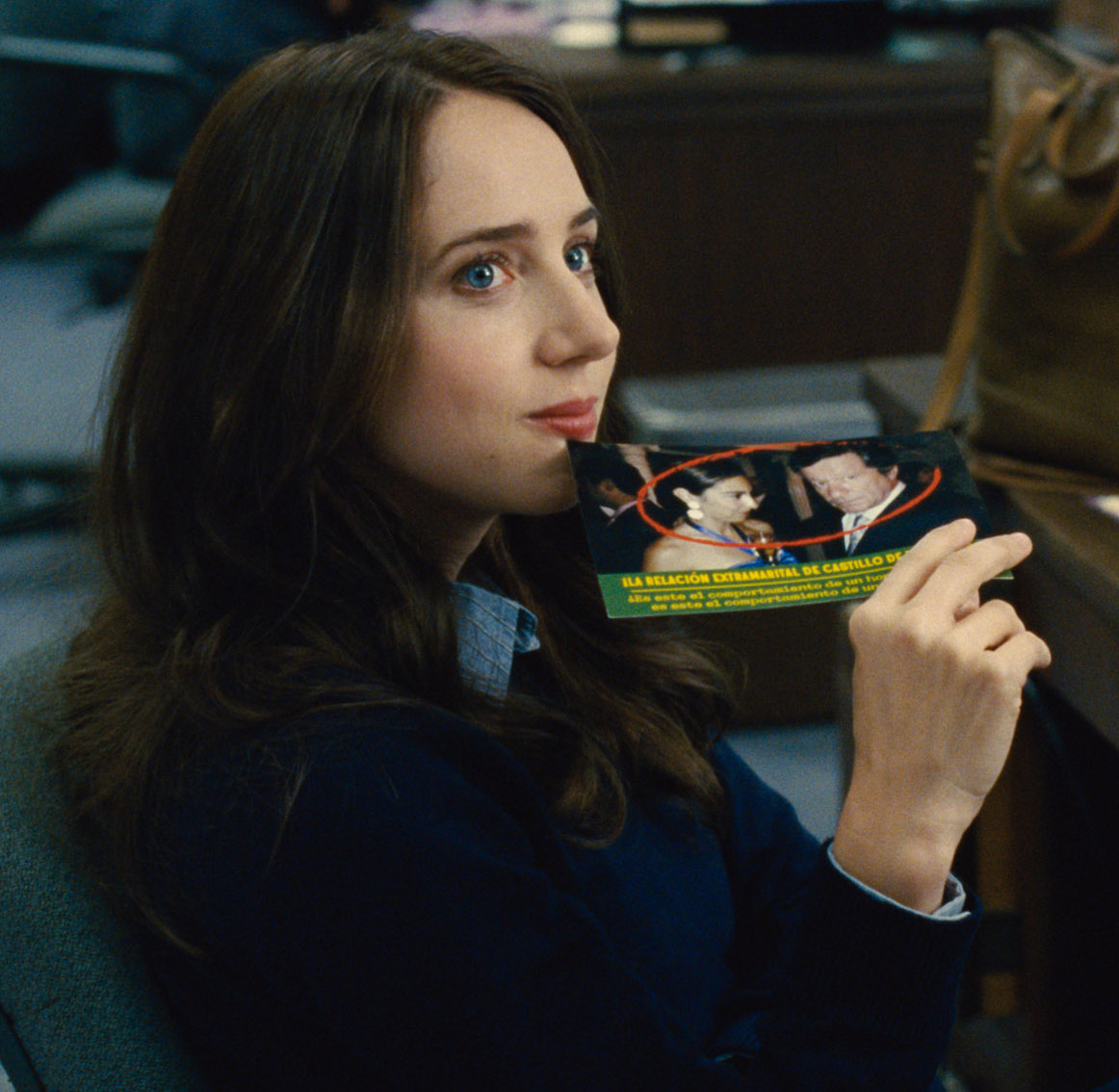
Scoot McNairy, Ann Dowd and Anthony Mackie are also aboard as Calamity Jane’s team members. Zoe Kazan plays a young dirty-tricks research wonk brought in to turn up the heat when things shift into true “crisis” overdrive.

OUR BRAND IS CRISIS

Zoe Kazan

George Clooney is one of the producers. The director, David Gordon Green, has a wide-ranging resume that includes the stoner comedies Pineapple Express and Your Highness. Peter Straughan, who provided the screenplay, is also the writer of the espionage thriller Tinker Tailor Soldier Spy. The movie has some solid DNA, but it never seems to know whether it wants to make us think, make us chuckle or make us sad. Is it political parody with heart, a satire that jabs with its funny bone, or a south-of-the-border rom-com based on real headlines? (The biggest  audience response, for what it’s worth, comes from Bullock’s bare buttocks hanging out an open bus window.)

If you’re a political junkie, this is your time of year. The presidential candidate debates make for riveting, sometimes-outrageous TV, and shows like The Good WifeScandalVeep and the new Agent X take viewers inside the heated (fictionalized) heavings of Washington, D.C. Our Brand is Crisis brings up some timely points about what it takes to mount—and win—a campaign.

But is anyone surprised that politics plays dirty? That strategists can be snake-oil salesmen who convince people to buy things they don’t need, to elect leaders who may not have their best interests in mind? That America exports its will and influence to other parts of the world?

After her first meeting with the Bolivian president, Bodine realizes what a daunting job she signed on for, and she wearily notes that he “doesn’t smell like a winner.” Unfortunately, despite Sandra and Billy Bob, neither does this.

—Neil Pond, Parade Magazine
Tagged , , , , , , , , , ,

‘Room’ Mates

Dazzling dual performances shatter gut-punch gloom

ROOM_hires_poster_crop2

Room

Starring Brie Larson and Jason Tremblay

Directed by Lenny Abrahamson

A woman and her young son laugh, play, tease each other, have breakfast and read books. She tells him when he’s watched too much TV, coaches him on brushing his teeth, bakes him a birthday cake and sings him a lullaby at bedtime.

It seems so lovely, so happy, and so right. But in the opening moments of Room, we know that something is so awfully, terribly, very, very wrong.

Ma (Brie Larson) and her son Jack (Jason Tremblay), who’s just turned five, are prisoners in a soundproof, windowless outdoor shed measuring about 10 feet square. Jack was born there, the son of a man who still comes to “visit” Joy in the evenings and bring the things she and Jack need to survive. The room is not only Jack’s home, it’s the only world he knows, the only place he’s ever been, and the entirety of everything he’s ever seen, done and experienced.

That’s the setup for director Lenny Abrahamson’s knockout, gut-punch movie adaptation of Emma Donoghue’s award-winning 2010 novel.

Jack is a growing boy, and Ma—whose real name, which has lost much of its meaning for her, is Joy—remembers life outside “room.” She wants a better life for Jack, who’s getting old enough to understand more about their predicament. She hatches a wild, dangerous plan.

room-ROOM_DAY8-0044_rgbLarson, who’s already demonstrated her acting chops on TV (The United States of Tara, Community) and in films (21 Jump Street, The Spectacular Now, Don Jon, Trainwreck) turns in a performance that’s getting major—and deserved—Oscar buzz. She plays Joy as a wounded, fiercely protective, paternal marvel, a woman who’s held things together for herself and her son and made a hellhole a home for seven long, almost unfathomably dark years.

And young newcomer Tremblay makes you feel every soft, wide-eyed nuance of Jack’s innocence, curiosity and confusion, and the steep, overwhelming learning curve he faces in the dazzling, blinding hustle-bustle of the outside “world,” full of new things—other people, pets, traffic, ice cream, germs.

Jason Tremblay

William H. Macy plays Joy’s father, who can’t get his mind around the ordeal his daughter has endured. Veteran TV/film actress Joan Allen is her mother, who becomes the warm heart of the film’s second half.

The only natural light in Joy and Jack’s dismal room comes from a small, single skylight, high in the ceiling. The camera turns to that skylight often—just like the movie itself, despite its rather grim, gloomy premise, which also keeps turning to something higher, brighter and beautiful. It may begin in a claustrophobic box, but driven by the breakout performances of its two main stars, Room becomes a moving, lyrical meditation on love, imagination, bravery, strength, happiness, home, holding on and letting go, looking back and moving on, and the unbreakable, unshakeable bond between a mother and child.

—Neil Pond, Parade Magazine
Tagged , , , , , , ,

Tech Titan

Smart, savvy ‘Steve Jobs’ shows the man behind digital revolution

5_2462_TPT_00020R_CROP

Steve Jobs

Starring Michael Fassbender, Kate Winslet, Seth Rogen & Jeff Daniels

Directed by Danny Boyle

R

Steve Jobs was a digital pioneer and technological entrepreneur whose ferocious drive and tenacious zeal for perfection lead to companies, products and services that today define much of the world’s lifestyle: Mac computers, iTunes, iPhones, iPads, iPods and Pixar movies.

But Jobs wasn’t successful right off the bat—and his life wasn’t nearly as sleek and smooth as the clean, uncluttered lines of a thin, new iPhone.

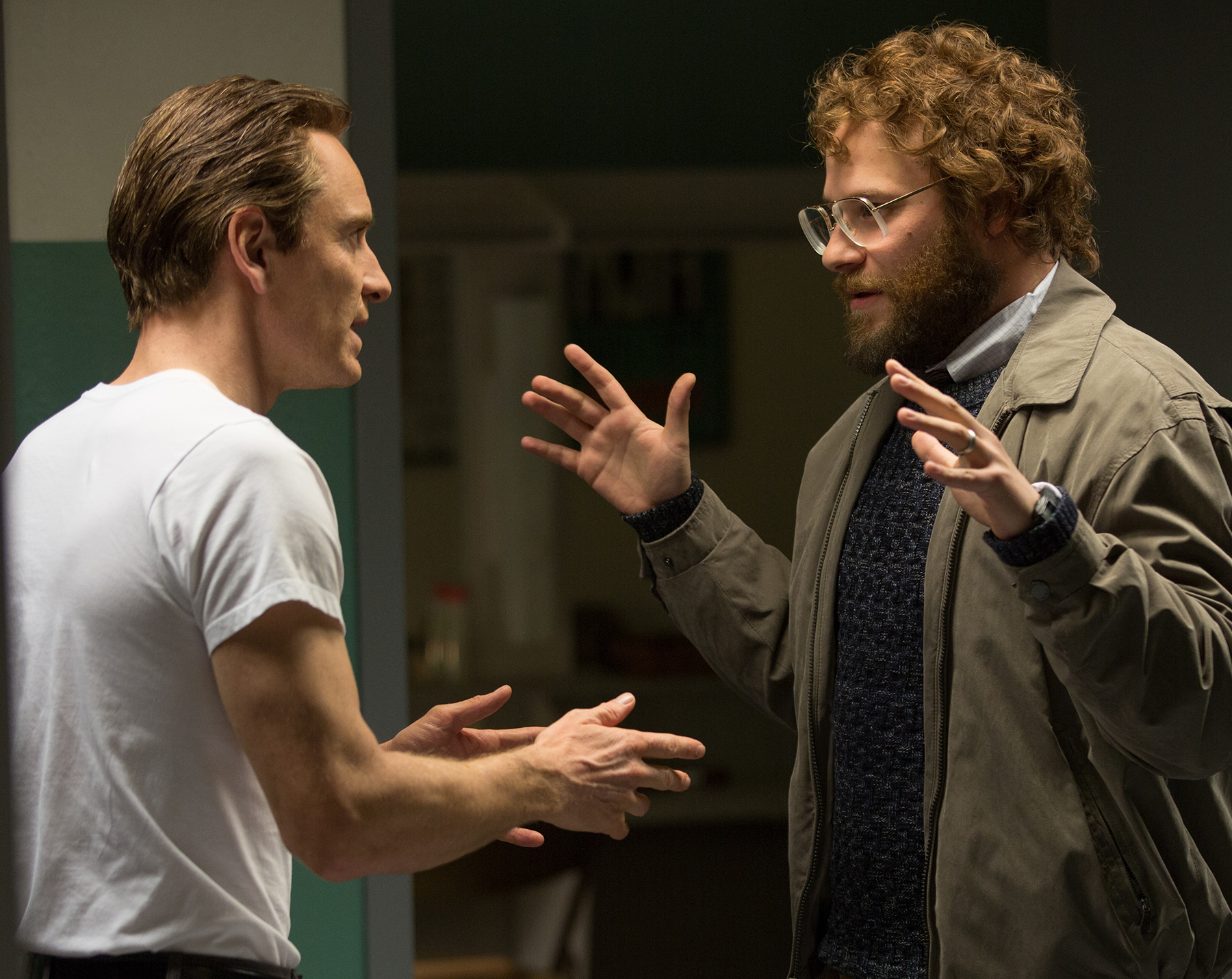
“I’m poorly made,” Jobs (Michael Fassbender) confesses to his head of marketing and longtime business associate Joanna Hoffman (Kate Winslet) in Steve Jobs, the sprawling new biopic directed by Danny Boyle based on former Time magazine editor Walter Issacson’s 2010 bestseller.

Michael Fassbender and Seth Rogen

Michael Fassbender and Seth Rogen

His former partner, Steve Wozniak (Seth Rogen), comes to agree. “Your products are better than you are,” he tells him.

The movie begins in 1984 at an event heralding the launch of Jobs’ Macintosh computer, which turned out to be an overpriced, underpowered flop and ended his career at Apple, the California computer company he started in his garage in the 1970s with Wozniak. The film continues through two other “acts,” also around product launches: Jobs’ NeXT cube, in 1985 (another flop), and then the 1998 unveiling of the iMac, which marked his triumphant, full-circle return to Apple.

Director Boyle, an Oscar winner whose previous work includes Slumdog Millionaire and 127 Hours, keeps things moving at an almost breathless pace and uses three different types of film (grainy 16mm, standard 35mm and crisp, high-def digital) to define each of the movie’s trio of distinctive segments. The screenplay by Oscar-winning screenwriter Aaron Sorkin is full of the smart, savvy, rat-a-tat-tat dialog that made The Social Network, Moneyball and the TV shows The Newsroom and The West Wing zip and zing.

Steve Jobs

Jobs introduces his daughter (Makenzie Moss) to his latest invention, the Macintosh computer.

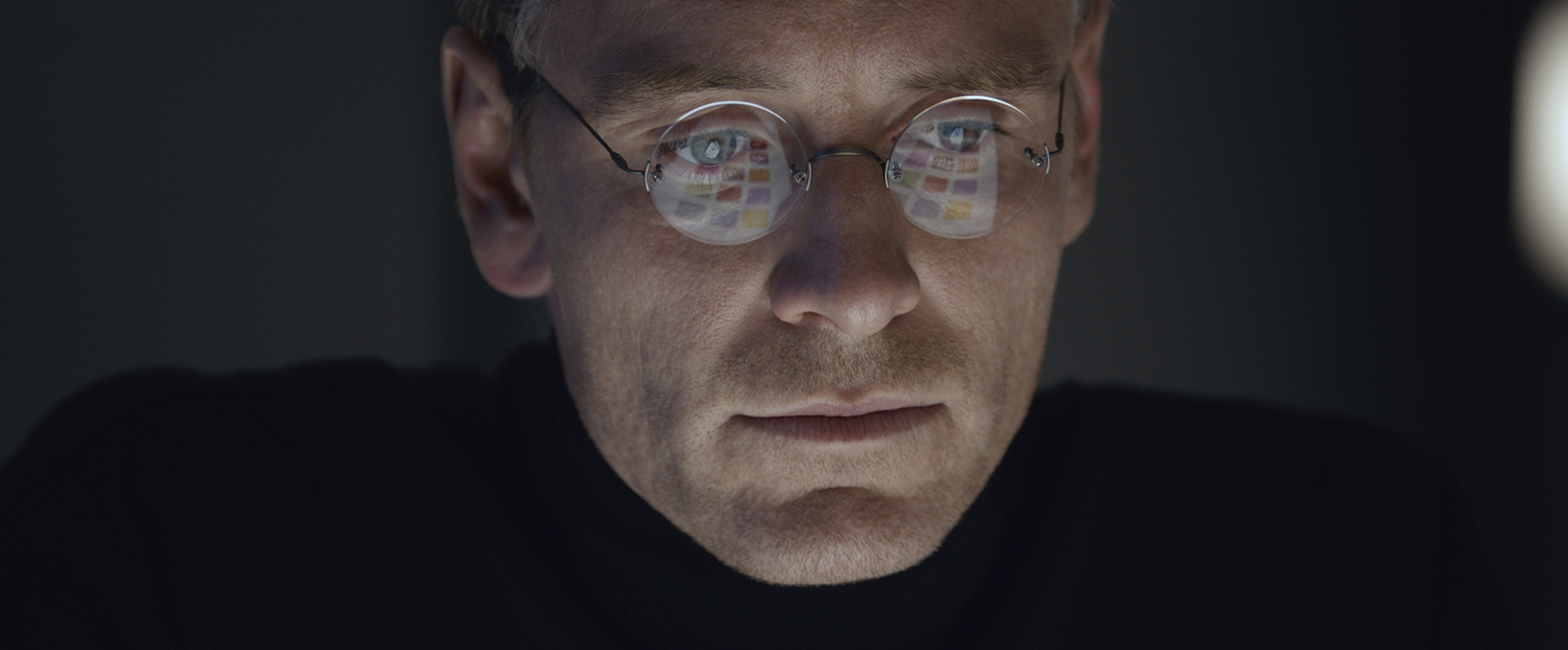
As the man at the center of it all, Fassbender portrays Jobs across a span of three decades and masterfully summons the powerful gravity that pulled other objects into his orbit—as well as the icy, distant chill that pushed most people away, including his daughter, Lisa (played at three different ages and stages by Makenzie Moss, Ripley Sobo and Perla Haney-Jardine), by former girlfriend Chrisann Brennan (Katherine Waterson).

Jeff Daniels, a Sorkin mainstay, plays Apple CEO John Sculley, and Rogen steps outside his usual stoner-comedy roles as Wozniak, who comes to resent his former partner’s arrogance and hubris, his dismissive treatment of everyone who was ever close to him, and his rise to rock-god-like stardom.

Jobs—who died in 2011 from complications of a pancreatic tumor—may have been a tech and marketing genius, but Steve Jobs makes it clear he could also be a colossal jerk. To gazillions of Apple product uses, however, he became a guru, if not a messiah. Maybe that’s why Doyle’s closing shot—with Jobs bathed in blinding light, beaming, walking slowly into the camera before disappearing into a wash of white—looks so much like a resurrection.

—Neil Pond, Parade Magazine

Tagged , , , , , , , , , , , ,

Gollywhopper of a Ghost Story

Sumptuous ‘Crimson Peak’ is full of deliciously dark surprises


Crimson Peak

Starring Mia Wasikowska, Tom Hiddleston & Jessica Chastain

Directed by Guillermo del Toro

Rated R

Released Oct. 16, 2015

Crimson Peak is a ghost story with a capital G—a couple of them.

The first is for writer-director Guillermo del Toro, the acclaimed Mexican filmmaker renowned for the dark-fantasy, supernatural-horror and sci-fi blowout movies Pan’s Labyrinth, Hellboy and Pacific Rim. Just having his name attached has kept fans and industry insiders buzzing for months.

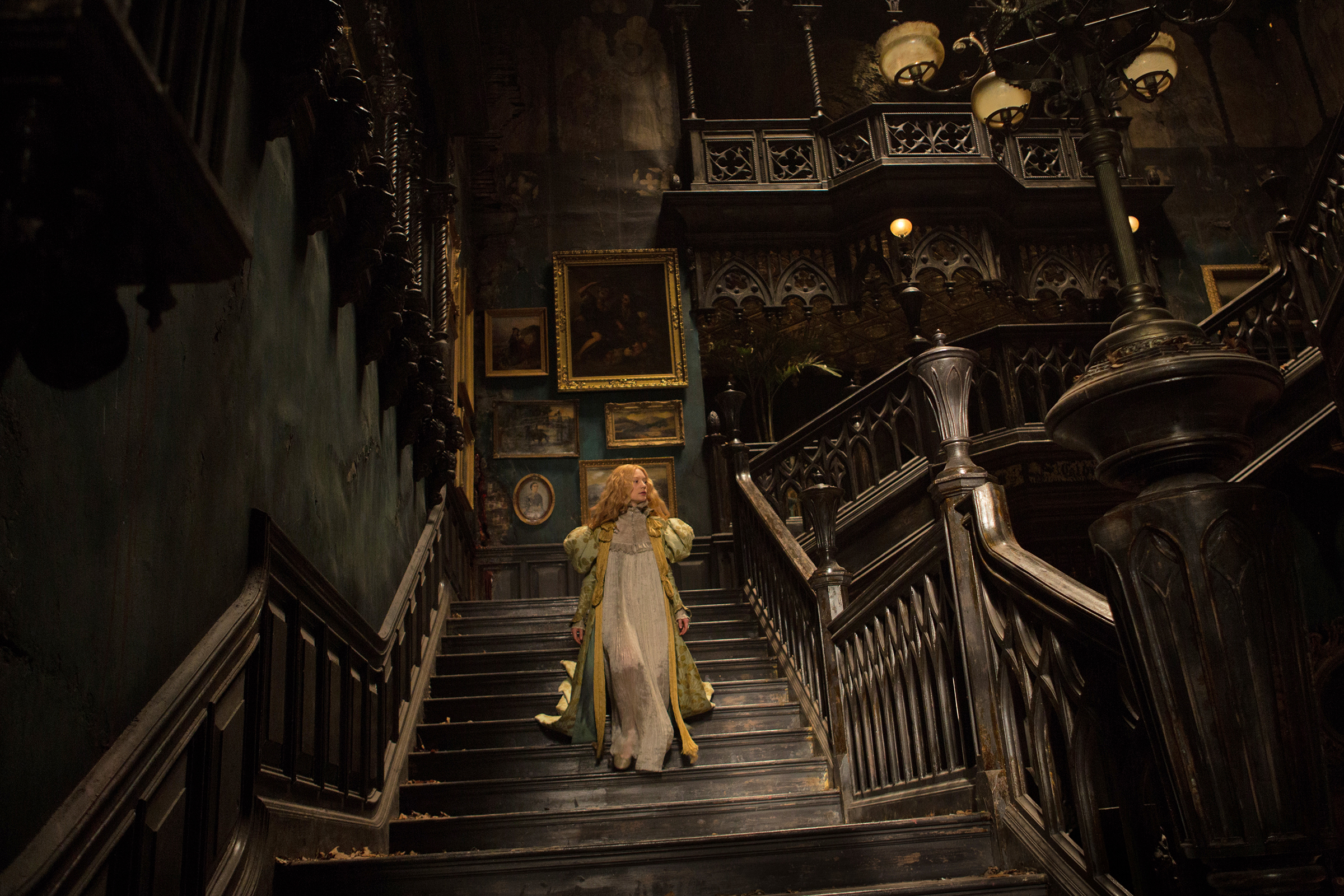
The other big G: This ghost story is a real gollywhopper, a voluptuous, sumptuously festooned saga of love, lust, jealousy, money, madness, secrets, ambition and spirits that refuse to let go, all set in a gigantic Gothic manor on a barren hillside in early 19th century England.

Tom Hiddleston and Mia Wasikowska

Mia Wasikowska plays Edith, a young New York heiress who falls in love with a visiting British baronet, Thomas Sharpe (Tom Hiddleston). An aspiring writer, Edith believes in ghosts, ever since she was visited as a child by the wraith of her departed mother, who ominously warned her to “Beware Crimson Peak.”

“Where I come from, ghosts are not to be taken lightly,” the baronet tells Edith, which is one reason she falls for him over the objections of her father (Jim Beaver from TV’s Supernatural), who tries to send Sharpe and his coldly aloof sister, Lucille (Jessica Chastain), packing. But a gruesome incident—that wasn’t the “accident” everyone seems to think—leaves Edith to make her own decisions. She decides to follow her heart and marry the handsome Brit.

When she arrives in England with her new hubs, Edith finds his big, creaking, groaning house, Allerdale Hall, with a hole in the ceiling, leaves in the foyer, and gloopy blood-red clay oozing through the wooden slats of the floor. She also finds things that howl, scream, creep, crawl and go bump in the night.

Crimson Peak

And she learns that estate is nicknamed Crimson Peak—and that ghosts aren’t the scariest things inside the house.

Audiences accustomed to the cheap thrills and gutbucket carnage of many contemporary horror flicks might be a tad disappointed that del Toro is much more interested in meticulous, old-school storytelling and creating a spectacular world for his characters to inhabit. Blood does flow and there are moments that will make you gasp, but they jarring red punctuation marks on a much bigger tale, one with horrors on an even grander, more operatic scale.

And in this big, big-looking, super-stuffed spook-fest, the attention to detail is astounding, from rooms, costumes, furniture, jewelry, kitchenware and candelabras, down to the tiniest of trinkets. The haunted house of Allerdale is a thing of wonder in itself, a real-life, three-story-tall cathedral of gloom (constructed especially for the movie) with a rasping, decrepit elevator, a sweeping grand staircase, murky hallways, hundreds of moths on the walls, locked vats of goo in the basement, and some deliciously dark, twisted surprises.

Sometimes everything feels like a phantasmagoric Downton Abbey nightmare knocking around a forbidden section of Disney’s Haunted Mansion.

“Ghosts are real,” a battered-looking Edith tells us twice, bookending the movie at its opening scene as well as its violent, sprawling finale—during which she discovers not only the power of her pen, but also the brutal effectiveness of a coal shovel. If you ever get put through the wringer like she does in Crimson Peak, you’ll believe they’re real, too.

—Neil Pond, Parade Magazine

Tagged , , , , , , , , ,

Pan’s Prequel

Peter Pan backstory is heavy on effects but light on magic

IMG_2723.DNG

Pan

Starring Hugh Jackman, Levi Miller, Garrett Hedlund and Rooney Mara

Directed by Joe Wright

PG

“This isn’t the story you’ve heard before,” begins the voiceover narration to this prequel to the tale of Peter Pan, the mischievous lad who never grows up and learns how to fly.

Created by Scotch novelist and playwright J.M. Barrie in the early 20th century, Peter Pan became a hit on the London stage before spreading into even wider fame via a 1953 animated Walt Disney movie, other film adaptations and live TV musical presentations—including one as recently as last year.

But this movie isn’t that story, as it wants you to know right off the bat. Pan is the story behind that story, about how an orphan boy (Levi Miller) came to be the eternally youthful Peter Pan, the scourge of the pirate captain Hook, the champion of the Lost Boys and the airborne companion of the flittering, phosphorescent fairy Tinkerbell, all in a faraway place called Neverland.

Pan is big, loud and full of razzle-dazzle. British director Joe Wright—Pride and Prejudice (2005), The Atonement (2007), Hanna (2011)—obviously set out to make a spectacle. But his extensive, exhaustive, CGI-heavy production and the movie’s darker themes often crowd out the exuberant escapist magic that audiences have come to expect from a familiar tale and its familiar characters.

IMG_1454.DNG

Hugh Jackman as Blackbeard

The movie’s most notable new addition to Peter Pan lore is the pirate Blackbeard, played to the malevolent hilt by Hugh Jackman. It’s Blackbeard, we learn, who’s been spiriting World War II-era London orphans away to Neverland to work as his “lost boy” slaves, mining glowing little globs of fairy dust he calls pixem. A source of rejuvenation that offers him the tantalizing hope of eternal youth, pixem is Blackbeard’s obsession, and he’ll stop at nothing to get it—even killing children who slack off in their search for it.

We also meet James Hook (Garrett Hedlund), a lost boy who’s grown to lost young-adulthood in the mines—and who’ll grow up even more later, in dots easily connected, to become Peter’s nemesis, Capt. Hook. We meet the princess Tiger Lily (Rooney Mara), a leader of Neverland’s indigenous people, who have a history of tangling with Blackbeard. There’s a trio of luminous mermaids (all played by British fashion model Cara Delevingne), a gaggle of gigantic screeching birds that look like rejected Jim Henson prototypes, and an enormous crocodile that will—presumably—one day chomp off one of Hook’s hands.

IMG_9946.DNGPirates, outfitted as if they’ve raided Broadway prop rooms as well as Ringling Bros. Barnum & Bailey clown closets, zip up and down from flying galleons like Cirque du Soleil acrobats on bungee cords. There’s a legend that comes to life in a tree stump, memories at the bottom of a dark lagoon, a chorus of raggedy boys singing Nirvana and Ramones songs (yes, you read that correctly), and Peter’s undying quest for his mom (Amanda Seyfried), who gave him a pin in the shape of a pan flute before abandoning him as an infant. The sign of the pan, as it turns out, is a big deal in this realm of fairy dust and flying pirate ships.

It’s all a lot, and really it’s just too much. For this noisy, busy trip to Neverland, Pan relentlessly packs, whacks and attacks the screen. The “boy who could fly” still takes to the air, but this cumbersome, weighty, bombastic bit of backstory feels like an over-crammed, tossed-around piece of movie baggage.

—Neil Pond, Parade Magazine

Tagged , , , , , , , , ,

High Wired

Twin Towers tightrope tale is spectacularly nerve-wracking

The Walk

Starring Joseph Gordon-Levitt, Ben Kingsley and Charlotte Le Bon

Directed by Robert Zemeckis

PG-13

In August 1974, Philippe Petit did something no man had ever done or will do again—and he did it eight times.

Petit, a 24-year-old high-wire artist, walked across a cable between the tops of New York City’s newly completed World Trade Center towers, at the time the tallest buildings in the world. It was a delirious 1,350 feet in the air, it was totally illegal, and it was deadly dangerous.

Director Robert Zemeckis dramatizes the feat, and the years of obsession and preparation that led up to it, in this dazzler of a movie starring Joseph Gordon-Levitt as the fearless Frenchman, a former rascally street performer in Paris who was forever “searching for the perfect place to hang my wire.”

Gordon-Levitt not only learned how to walk a wire, but also how to ride a unicycle, juggle and speak in a flawless-sounding French accent for the leading role. As Petit, he also punctuates the wildly entertaining tale with “asides” to the audience from a “perch” atop the Statue of Liberty’s torch. Even if you’re familiar with the story (chronicled in the excellent Oscar-winning 2009 documentary Man on Wire), this whimsical, conversational—and oui, somewhat contrived—narration makes it feel engaging, intimate and personal from beginning to end (especially when the movie makes one final, touching homage to the Twin Towers and their majestic pre-9/11 dominance of the New York skyline).

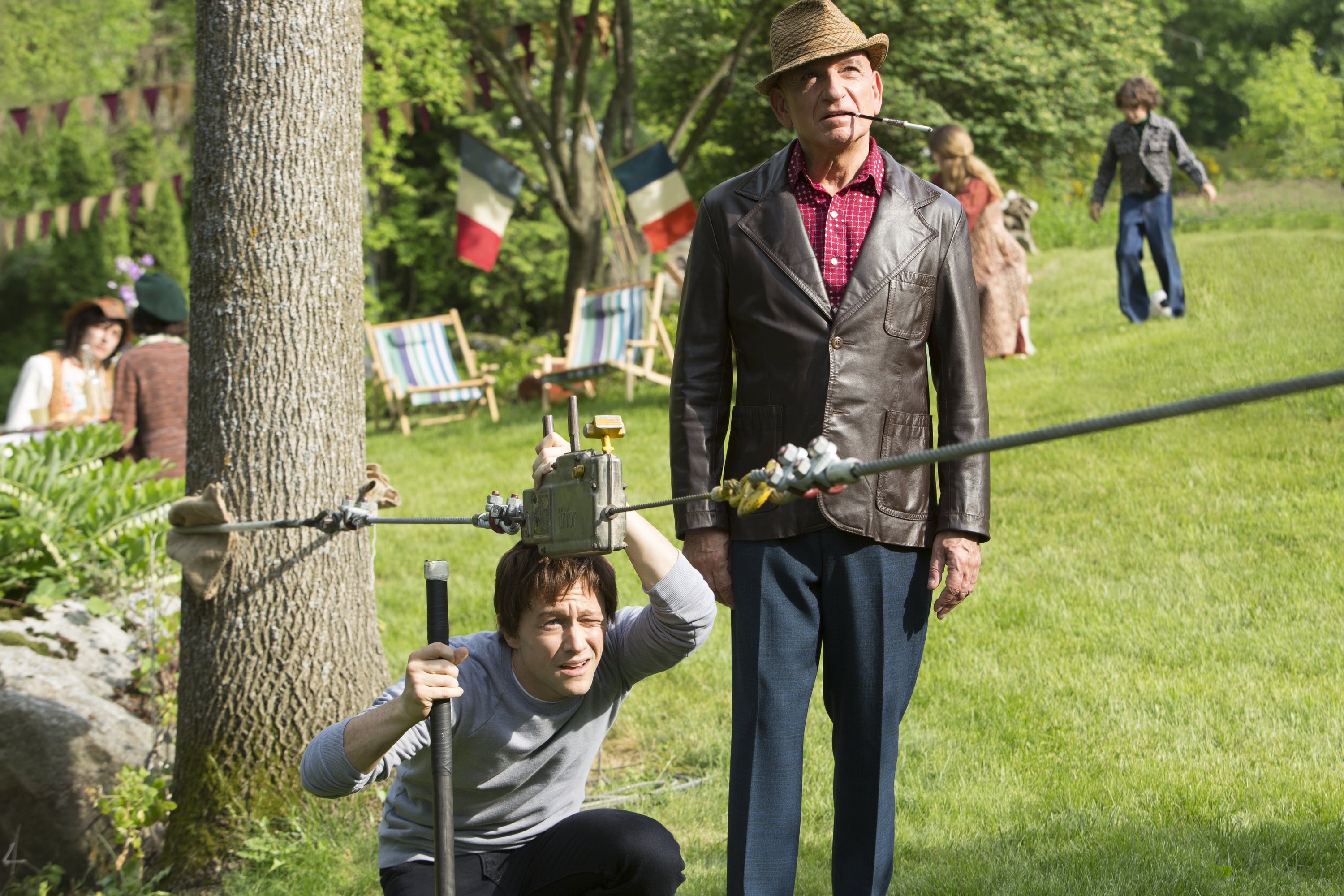
Joseph Gordon-Levitt and Ben Kingsley

Gordon-Levitt takes us on the journey of his character from a childhood fascination with circus tightrope walkers into his adolescence, as he learned the rudiments of high-wire artistry from Czech maestro Papa Rudy (Ben Kingsley). Then inspiration strikes: a grand scheme to stage “the artistic coup of the century” across the ocean in New York.

Director Zemeckis, whose hit movies include the Back to the Future franchise, Castaway and Forest Gump, has fun building to what we know is coming. We watch as Petit meets a beautiful girlfriend (Charlotte Le Bon) who becomes his biggest cheerleader, and begins to gather his motley crew of loyal accomplices, which includes a photographer, a math teacher who’s afraid of heights, and an eager American fan who works at the World Trade Center.

Philippe Petit (Joseph Gordon-Levitt) shares his dream with Annie (Charlotte Le Bon) in TriStar Pictures' THE WALK.

Philippe Petit (Joseph Gordon-Levitt) shares his dream with Annie (Charlotte Le Bon) in TriStar Pictures’ THE WALK.

A sequence in which Petit finally arrives stateside and infiltrates the Towers, in various guises, to take photos, make measurements and scope everything out, adds to the tension. Soon he and his team will be topside, in darkness, setting up, running cable and making preparations for the Walk.

And when it happens—well, hang on. Modern moviemaking technology, combined with Zemeckis’ mastery of narrative, imagery and emotion, makes you feel like you’re out there with Petit, on that wire, in between those buildings, stepping into the “void,” like no movie has ever done before. It’s the most breathtaking, spectacularly nerve-wracking seven minutes of anything you’ll see on screen this year. It’s dream-like, hyper-real, beautiful and terrifying, lovely and scary all at once, and you know it’s just a movie but you can’t believe how giddy and gobsmacked and vertiginous dizzy-awesome it makes you feel.

Petit staged his “coup.” The Walk is a coup of its own. C’est magnifique.

—Neil Pond, Parade Magazine
Tagged , , , , , , ,

Drugs ‘R’ Us

Tense, thought-provoking ‘Sicario’ is gripping, gut-punch thriller

S_D040_10409.NEF

Sicario

Starring Emily Blunt, Josh Brolin & Benicio Del Toro

Directed by Denis Villeneuve

R

A gauzy curtain wafts in the breeze early in Sicario, a gripping, gut-punch thriller about America’s “war on drugs” along our southern border.

The swath of fabric is a membrane-thin divider, its shape is constantly shifting, offering little protection from what’s on the other side, and you can’t really see clearly through it—great metaphors for everything that happens in French-Canadian director Denis Villeneuve’s visceral, thought-provoking saga about an idealistic FBI agent (Emily Blunt) who joins a task force to track down a brutal Mexican drug lord.

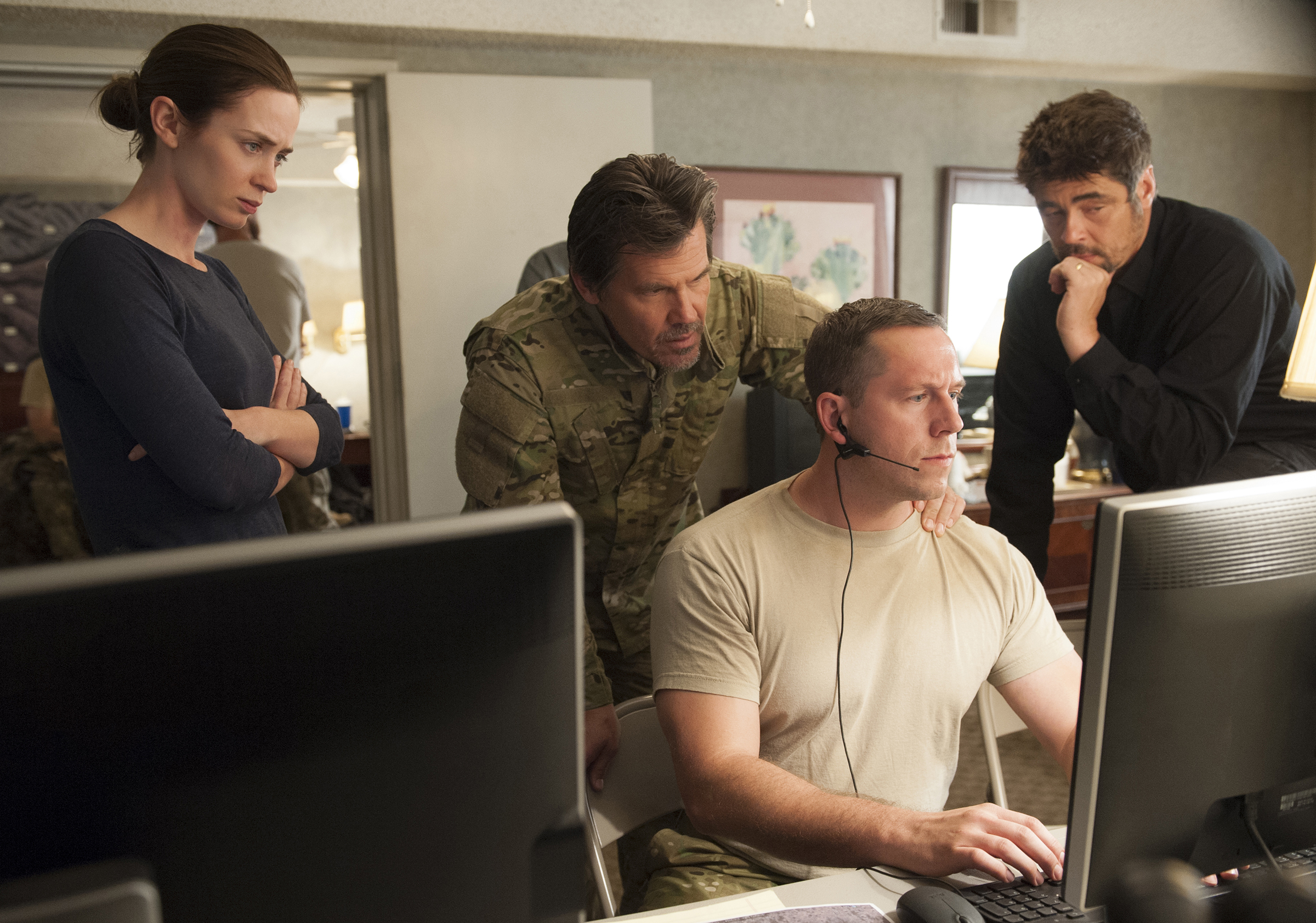
Emily Blunt, Josh Brolin and Benecio Del Toro are members of a covert task force tracking a brutal Mexican drug czar in ‘Sicario.’

After informing us in the opening that its title is a Mexican word for “hit man,” taken from a term for zealots in ancient Jerusalem who hunted and killed Romans that invaded their homeland, Sicario starts with a bang—literally. An armored vehicle explodes through a brick wall, and things don’t soften up for the next two hours.

After Blunt’s agent Macer leads a raid on a suburban home just outside of Phoenix that turns out to be a house of horrors connected to a Mexican drug kingpin, she’s all aboard to help a governmental black-ops cowboy (Josh Brolin) and his even shadier partner, Alejandro (Benicio Del Toro), shut him down.

There’s more to the mission than that, as Macer—and we—find out. Like Blunt’s assignment, and the war on drugs itself, nothing in Sicario moves in a clean, straight line, nothing is really as it appears to be, and no one can really be trusted—or can they?

Director Villeneuve likes working taut, tough and raw; his previous films include the brutal revenge thriller Prisoners (2013), with Hugh Jackman and Jake Gyllenhaal, and the Oscar-nominated mystery drama Incendies (2010). Here he steers his outstanding cast through a murky maze of escalating tension, ratcheting suspense and ghastly acts of violence. Quickly, Macer’s moral compass starts to spin out of control; she can’t sort good guys from bad, tell right from wrong, or even keep track of which side of which line she’s on.

Benecio Del Toro

Blunt is phenomenal, charging through the movie as the audience surrogate, making us feel every nuance of Macer’s journey from determination to disillusion. In a performance that seethes with mystery and menace, Del Toro speaks volumes with simmering silences—and can inflict pain with only his finger. As the gum-smacking, flip-flop-wearing special operative, Brolin may not always play by the rules, but he sure knows how to “stir the pot that causes criminals to react.”

Sicario has an all-star team behind the scenes, too. Veteran cinematographer Roger Deakins gives everything his meticulous master’s touch, and a haunting soundtrack by Icelandic composer Jóhann Jóhannsson pumps, prods and pushes the drama along like a throbbing electronic heartbeat. In a movie where almost everything stands out, several scenes stand out more, including a freeway traffic jam that erupts in a lethal shootout, and a gripping “night-vision” blackout raid on a desolate desert tunnel used by the cartel. It’s terrific, first-class filmmaking.

How far is too far to go to fight a war that may never be won? Sicario doesn’t have an easy answer, but it sure makes you think hard about the question.

—Neil Pond, Parade Magazine

Tagged , , , , ,

Ups & Downs

A herd of actors recreates epic ’90s mountaineering disaster

AA44_FP_00007R

Everest

Starring Josh Brolin, Jason Clarke, Jake Gyllenhaal, Emily Watson, Keira Knightley & Robin Wright

Directed by Baltasar Kormákur

PG-13


Why climb the world’s highest mountain?

“Because it’s there!” shout members of a group about to head to the top of Mt. Everest in this adventure-drama based on a true story from 1996.

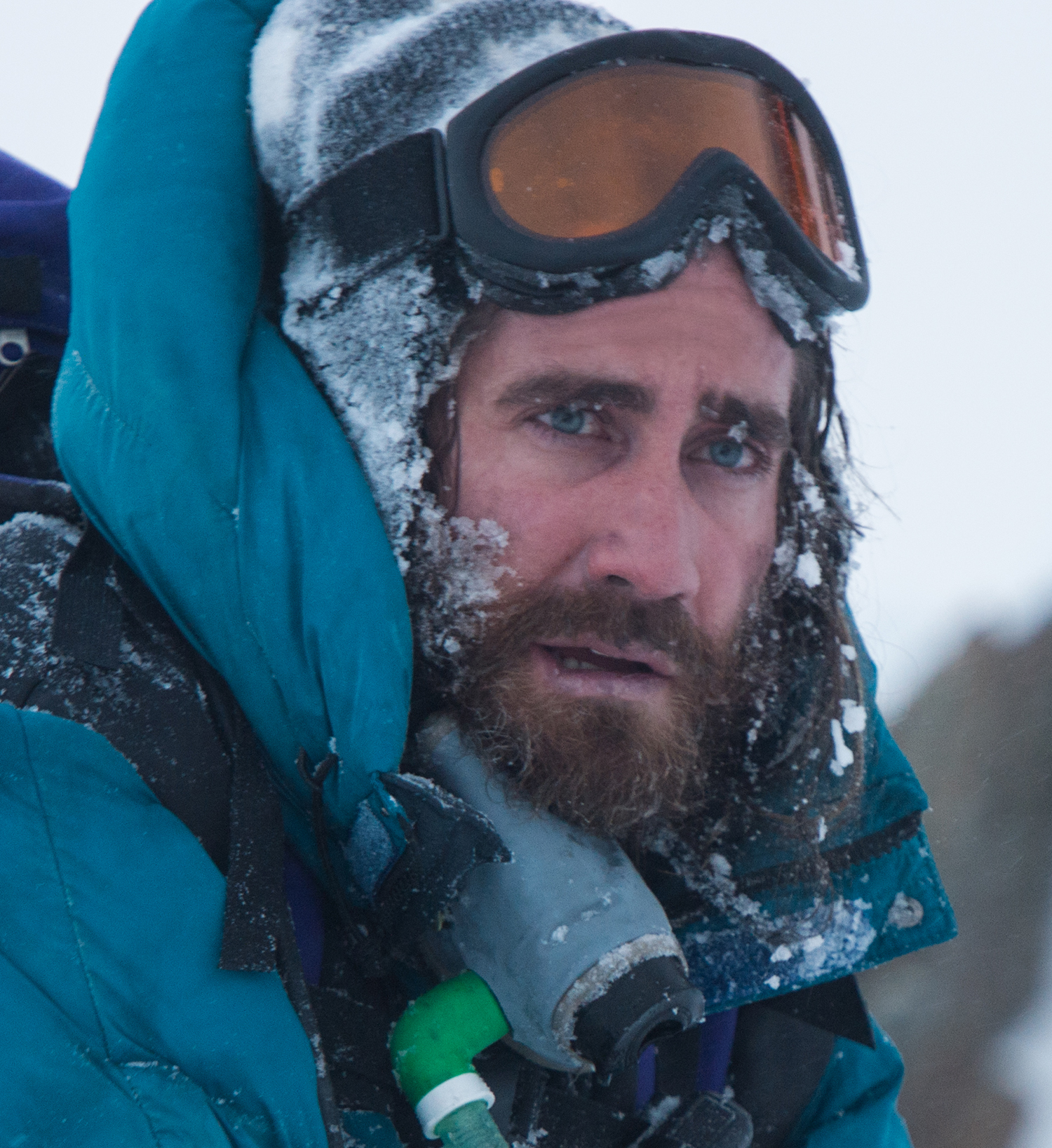
It’s there, all right—all 29,000-and-then-some feet of it, rising into the sky like a giant prehistoric sentinel of rock, ice and snow on the border of China and Nepal. Director Baltasar Kormákur’s film begins with expedition leader Rob Hall (Jason Clarke), his team and his clients converging at the base of the Himalayas to prepare for their trek to the summit.

“It’s not called the death zone for noting,” Hall, a veteran New Zealand mountaineer, warns his climbers-to-be, citing the perils they will face—jet stream winds, altitude sickness, sub-freezing temps, oxygen deprivation, snowstorms, avalanches, icefalls.

Everest

Jake Gyllenhaal

By the mid-1990s, the commercialization of Mt. Everest had created some major traffic jams on the slopes. As guides such as Hall returned season after season to lead paying customers toward the heavens, thousands were trekking where, just decades before, only a relative few had ever dared.

But the monumental mountain remained a far cry from an amusement park. You could still die up there.

Everest

Josh Brolin

A monstrous storm moves in, trapping the climbers. Who’ll survive, and who won’t? It becomes an epic drama of humans facing ancient, immutable forces of nature. Sometimes it looks spectacular, but too often the emotions of Everest feel forced and hokey, and much of the time there’s just too much going on, and too many people jostling around.

For an adventure movie, it doesn’t have near enough action, and when things do get going, the scenes of peril and danger don’t have the breathtaking, gut-wrenching wallop you’d expect from a movie about people pitting themselves against the highest peak on the planet, at inhospitable altitudes where airplanes fly, helicopters falter, eyeballs can explode and bodies fall into places where they’ll never be recovered.

AA44_FP_00408R

Robin Wright

Everest is a modern throwback to classic disaster movies of the 1970s, when a gaggle of actors would be plunked into collapsing cities, raging infernos, sinking ships or doomed airplanes. Here the populous cast includes Josh Brolin, Jake Gyllenhaal, Michael (House of Cards) Kelly, Jason Hawkes, Emily Watson, Keira Knightley, Robin Wright, Elizabeth (The Man From U.N.C.L.E.) Debicki and others, all in roles based on real people, headed up, staying below or waiting anxiously on the other side of the world when things take a turn from bad to worse.

But there’s one star in Everest that tops them all, and that’s Mt. Everest itself. Even though some of the scenes were filmed elsewhere, you’d never know it, and the world’s most iconic peak still has the power to awe, inspire and draw people to risk, and sometimes lose, their lives.

Why would anyone want to do it? And why bother trying to explain, anyway? In any discussion, as one character puts it, “the last word always belongs to the mountain.” In Everest, and the tragically true tale behind it, indeed it does.

—Neil Pond, Parade Magazine

Tagged , , , , , , , ,