Margot Robbie spins, twists & soars as crushed skating princess Tonya Harding
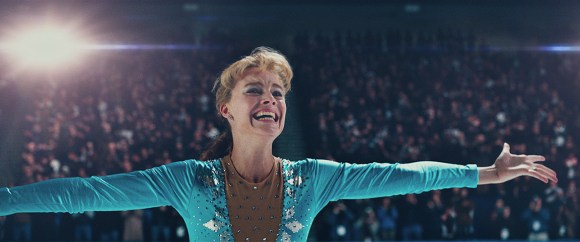
I, Tonya
Starring Margot Robbie, Allison Janney & Sebastian Stan
Directed by Craig Gillepsie
R
Truth, like ice, can be a slippery thing.
I, Tonya, the ripping, rollicking tale Tonya Harding—the most colorfully controversial figure in the history of figure skating—begins by explaining that what we’re about to see is based on “wildly contradictory, totally true” interviews with everyone involved.
Actually, it’s based on mock interviews with actors portraying everyone involved, and the fake-doc format weaves feisty, she-said, he-said threads into the deliciously dark, twistedly comedic biopic drama that follows.
And it’s all true—depending on what you hear, and from who.
In an absolute knockout performance, Margot Robbie stars as Harding, who was banned for life from professional skating after pleading guilty for her knowledge of a plot to sideline her rival, Nancy Kerrigan, leading into the 1994 Olympics.
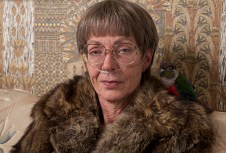
Allison Janney
Robbie, after a long haul of standout supporting roles—in films like Goodbye Christopher Robin, Suicide Squad, The Wolf of Wall Street and The Legend of Tarzan—finally gets the lead in a movie that she completely owns. She plays Harding beginning in her teens in rural Portland, Ore., where she’d been driven since childhood (and played briefly by McKenna Grace) to rule the ice by her mom (an awards-worthy Allison Janey), a smoke-breathing, cigarette-puffing, profanity-spewing beast who abuses her both physically and psychologically.
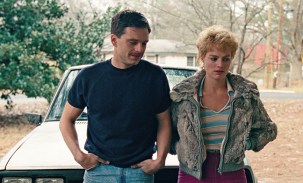
Sebastian Stan as Jeff Gillooly with Robbie as Tonya Harding, early in their soon-to-become-tumultuous relationship.
Sebastian Stan gives a terrific performance as Jeff Gillooly, the older guy Tonya meets and marries. He’s a local loser, a dim-bulb doofus with a mustache, and he abuses her too. They scream, fight and smash up the place. Tonya leaves him, comes back, kicks him out; they break up, get back together, break up again—a toxic circus of domestic co-dependency built on the crumbs of self-esteem from her crushed childhood.
But she channels his rage, her hurt and her bruises into even more focus—and ferocity—in the rink, where she perfects the triple axel, a midair, spinning wonder of aerodynamics. Considered the most technically difficult of all skating maneuvers, it becomes her signature.
And it takes her all the way to the Olympics.
But Harding had never been anyone’s darling, and she has trouble getting her footing on the world stage. She’s a ballsy, world-class skater, for sure, but the judges won’t give any breaks to someone who wears gaudy homemade costumes and does her routines to ZZ Top. In a competition that likes to think of itself as refined and high-class, Tonya is considered low-rent and white-trash.
It’s not just about the skating, one judge reluctantly levels with her. It’s also about “presentation.”
At the U.S. Figure Skating Championships leading to the 1994 Olympics in Norway, Gillooly, by now her ex-husband, decides something needs to be done. The movie refers to it as “the incident.” It begins as one thing, but becomes something else, and results in Kerrigan (Caitlin Carver) getting whacked in the leg by a thug hired by one of Gillooly’s friends (Paul Walter Hauser from TV’s Kingdom).
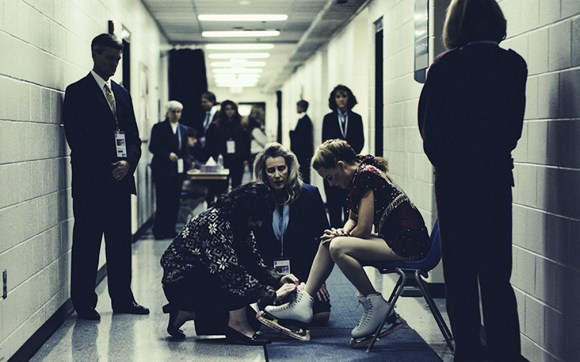
Harding and Gillooly at first feign ignorance and innocence, but soon enough, the whole crazy house of cards collapses, burying them underneath.
Director Craig Gillepsie, whose previous films include the Disney baseball flick Million Dollar Arm and Lars and the Real Girl, juices and gooses this wild joyride along the ripe, rich underbelly of its fractured, funky, fast-paced underdog tale. With dark humor, ruffian violence and doofus characters planning a caper that goes south, it sometimes feels like the Coen Brothers spinning a Fargo riff with Goodfellas seasoning. The camera, like the story and its players, is constantly on the move; as with the truth about what happened, it’s hard to nail down.
And Robbie, as Tonya, is a marvel. She spins, she twirls, she soars. She serves up a magnificently smudged, grandly sympathetic version of a footnote figure in American sports lore that digs deep into the dirty, damaged roots beneath the tabloid headlines that rocked and shocked the world two decades ago.
“America—they want someone to love, they want someone to hate,” Harding tells us toward the end of the movie.
In her triumphant portrayal of the ice princess now frozen forever out of her castle in I, Tonya, we get both—and the truth, too, whatever it is, somewhere in there.
In theaters Dec. 8, 2017
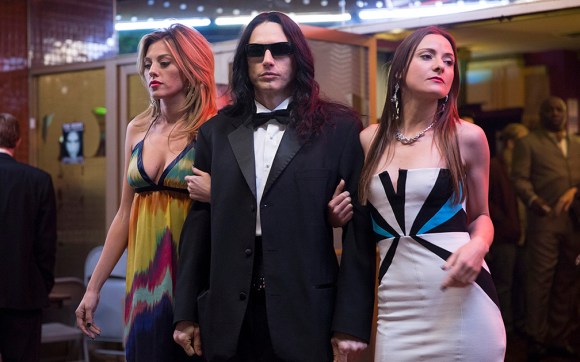 The Disaster Artist
 Many celebrities are among The Room’s ardent fans, and a lot of them are sprinkled throughout The Disaster Artist. If you bring a scorecard, you’ll have to work fast to check off Josh Hutcherson, Megan Mullally, Zac Efron, Lizzy Caplan, Seth Rogen, Nathan For You Fielder, Bryan Cranston, Sharon Stone, Melanie Griffith, J.J. Abrams, Ari Graynor, the real Greg Sestero, Christopher Mintz-Plasse, Zach Braff, Hannibal Buress, Randall Park, Paul Scheer, Jacki Weaver, Casey Wilson and more.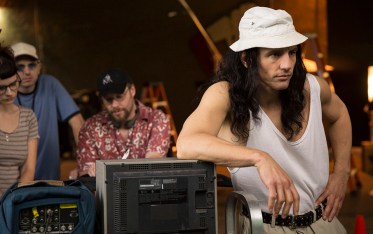

 To return home, he must get his family’s blessing—not an easy task, since Miguel wants to play music, and everyone in his family, on both the living and dead side, is dead-set against it.
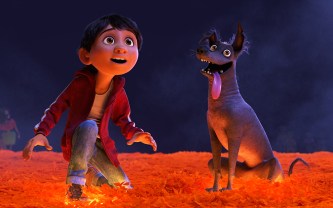 Rather than just use Mexico as a starting point, the movie dives deep into Hispanic customs, folklore and visual elements, particularly Día de Muertos, from start to finish. Miguel’s pooch, Dante, is a Xolo dog, the national canine, nearly hairless creatures long thought represent the Aztec god of fire and lightning. Dante, a real goofball at first, becomes much more than just a tail-wagging sidekick. Frida Kahlo (Natalia Cordova-Buckley), Mexico’s legendary painter, appears as an “afterlife” conceptual artist whose wildly inventive media creations take on thrilling new dimensions in the anything-goes underworld.
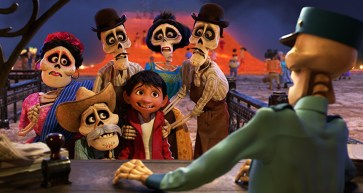 And they obviously spent some time soaking up vibes with real family members. Coco is all about what it means to be a part of a group, a clan, a family. Get your tissues ready for the final minutes. Bring the extra-ply packets, if you’ve got any left over from watching the wrenchingly bittersweet closing moments of Toy Story 3, when Andy says his college goodbyes to Woody and Buzz, or Ellie and Carl’s “flashback” scene in Up.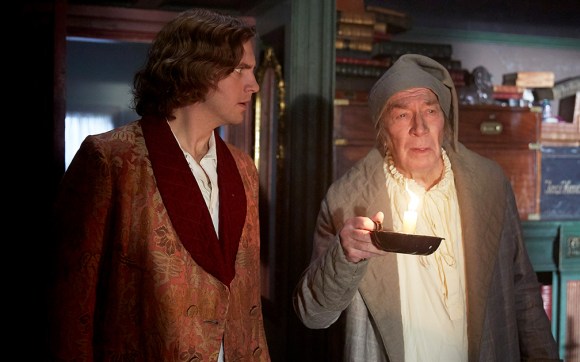
 Director Bharat Nalluri, who has mostly worked in television, creates a thriving scene of London in the early 1840s, where the upper classes often had to rub coattails with the city’s poor. In an inventive twist, we meet characters in Dickens’ real life who spark his imagination for his book as he struggles to find creative inspiration and wrestle with his own past.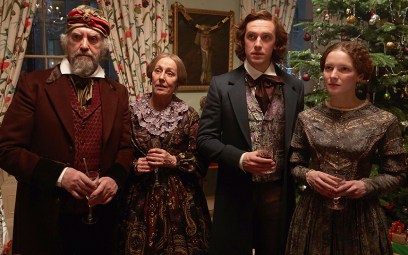


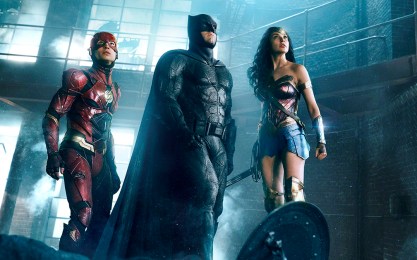 And the Flash steals the show—runs away with it, you might say. He’s zippy and geeky and can’t believe he’s getting to hang with in the Bat Cave with Batman and Wonder Woman, and it’s only a matter of time before he gets his own flick. (2020, in fact.) Aquaman is getting his own movie, too, in 2018.

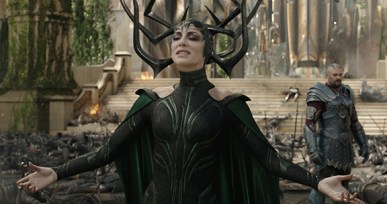
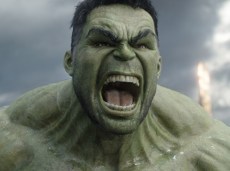
 Thor: Ragnarok



 The Media Tourist